7
Belyany – Unique Russian River Giants
No comments · Posted by Sergei Rzhevsky in History, Photos, Technology
Today, if you ask Russians what a “belyana” is, it’s unlikely anyone would be able to answer. But these giant ships plied the Volga and Vetluga rivers just about a hundred years ago.
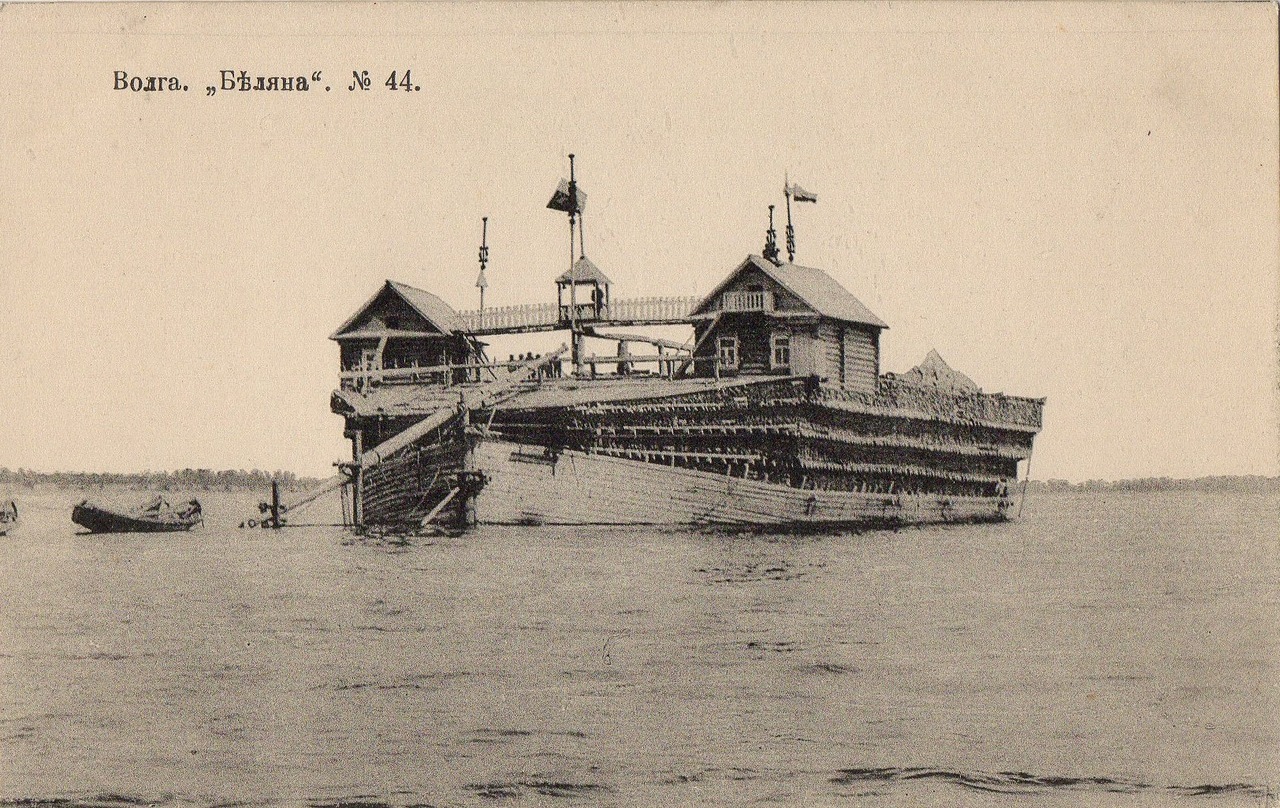
Belyana is a wooden, unpainted, flat-bottomed barge used for rafting timber along the Volga and Kama rivers in the 19th and early 20th centuries. These ships were perhaps the most unique river vessels in the world.
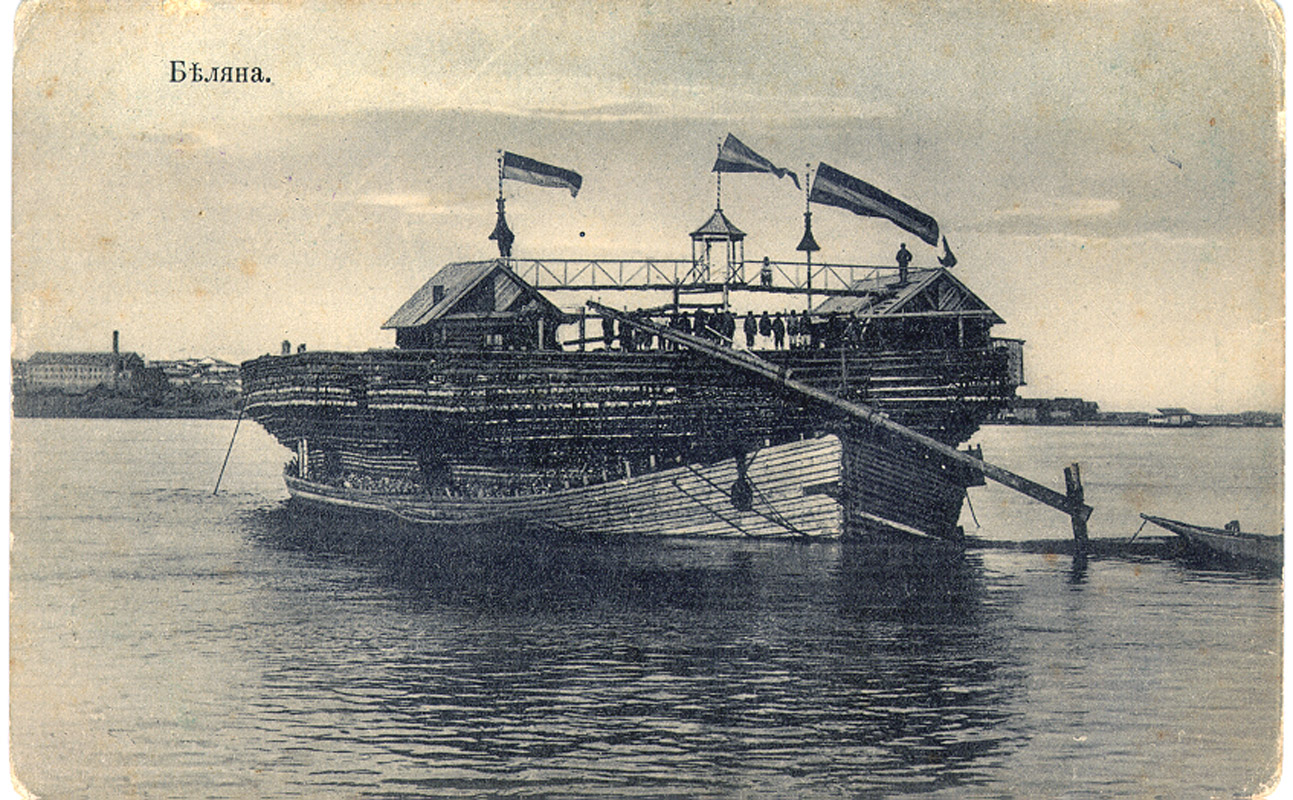
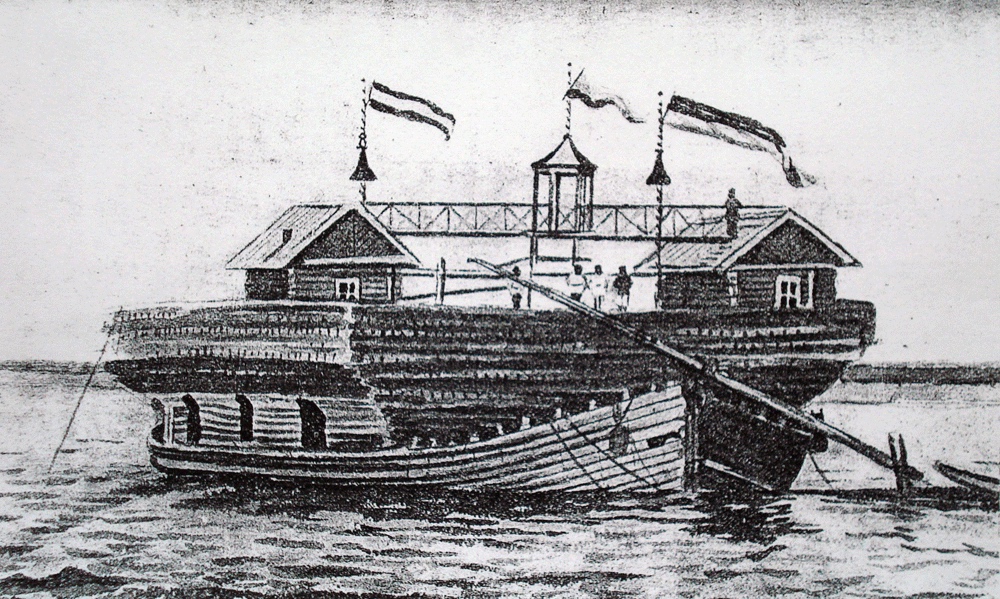
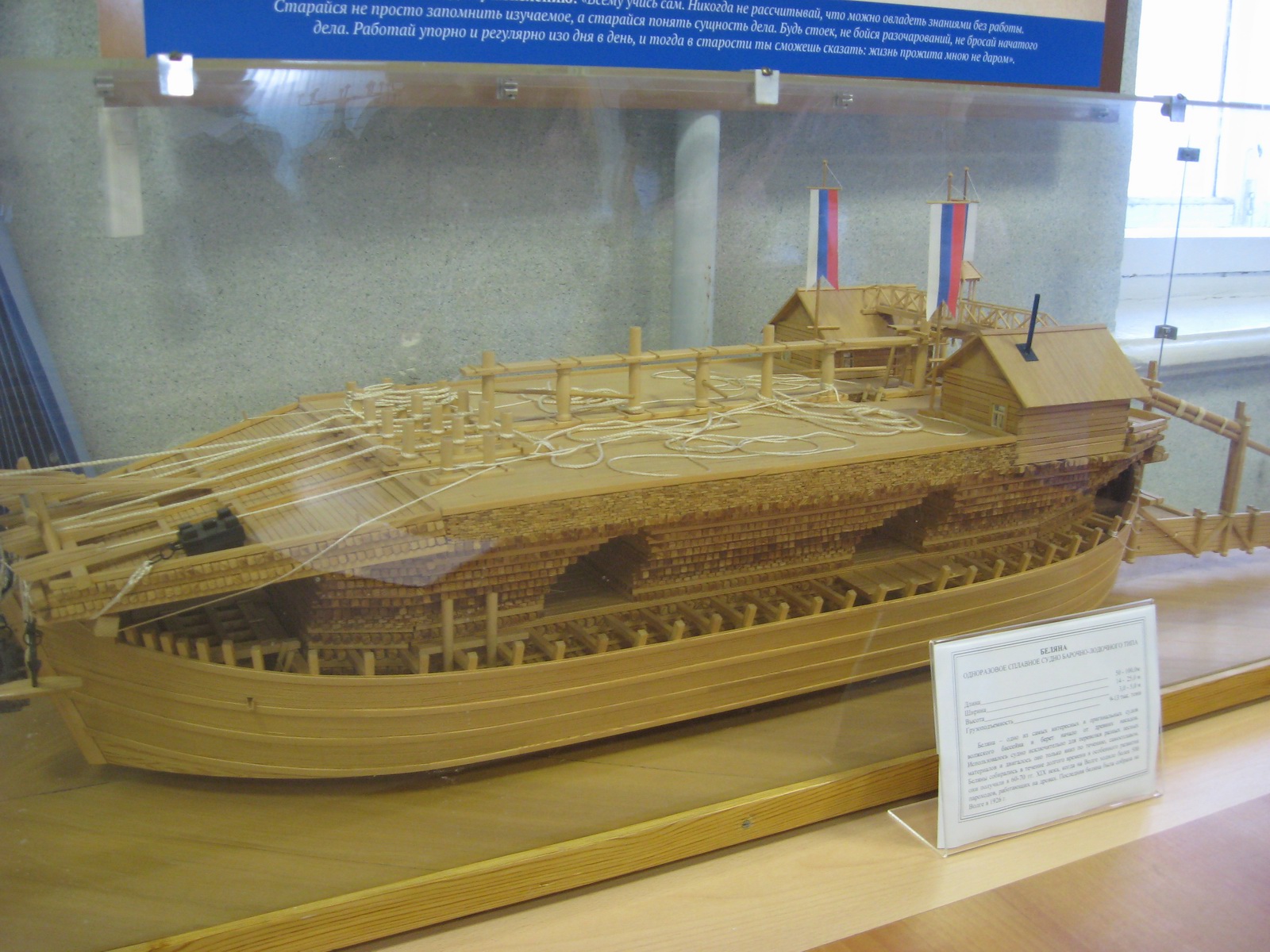
These boats were built in logging areas in the Upper Volga region and on the Kama River, and were designed for only one downstream voyage. Their primary cargo was timber. They were equipped with a burlap sail for steering. The hull was up to 100 meters long, 25 meters wide, 5 meters high, and had a carrying capacity of up to 10,000 tons.

The hull was made from the finest timber. The trees were stripped of bark but not treated with resin, hence the name of this vessel (“belyana” literally means “white”). Cargo could be stowed in the hull and superstructure, gradually extending beyond the sides (up to 2.5-3 meters).
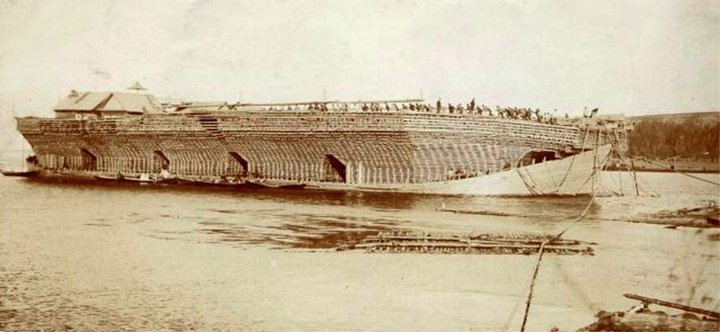
Belyany were rafted mainly to Tsaritsyn (Volgograd) and Astrakhan, where the semi-finished timber and hulls were dismantled for firewood or sent to sawmills for final processing.
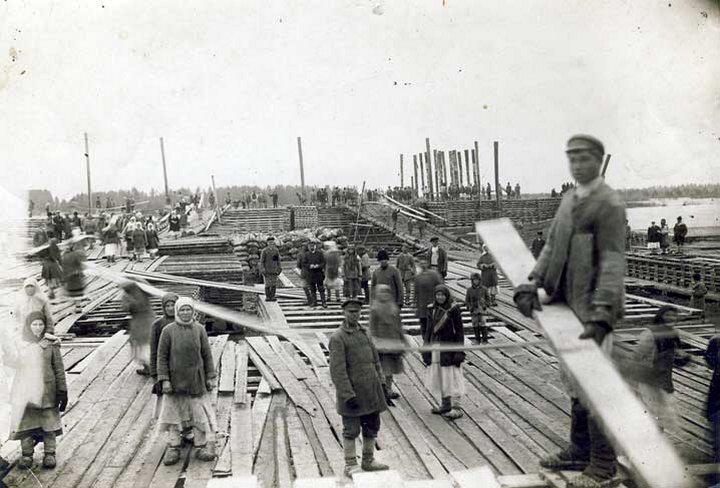
The entire structure was braced with ribs for strength. The belyana was steered by a rudder at the bow and a cast-iron drag at the stern, which kept it in the fairway.
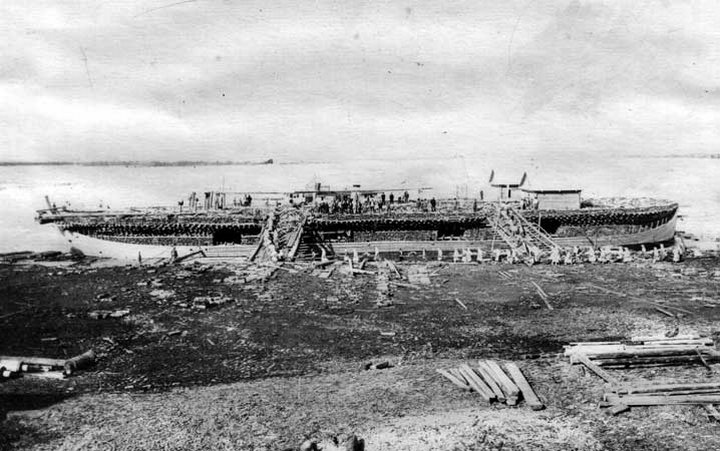
The belyany differed from the rafts in that they had some maneuverability and did not lose timber as they moved.
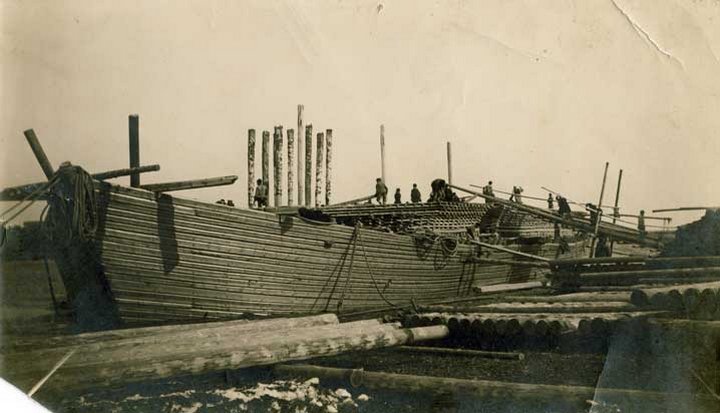
The heyday of these ships came in the mid-19th century, precisely when steamships began arriving en masse on the rivers. At first, steamships ran exclusively on wood, and one can imagine the amount of firewood that had to be transported to the cities on the lower Volga, where steppe expanses predominated, meaning timber supplies were tight. Later, however, with the transition of steamships to oil, the demand for wood declined somewhat.
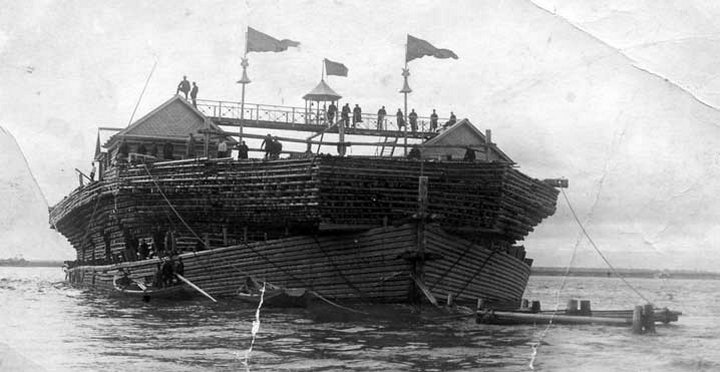
Houses rose on the deck, giving the belyany the appearance of a floating village. These were used for crew housing and storing supplies. Particular attention was paid to the pilot house, which could be carved and painted gold. According to historians, when the belyany reached its final destination and the timber was dismantled, these beautiful houses were sold separately.

Tags: Astrakhan city · Volgograd city