
23
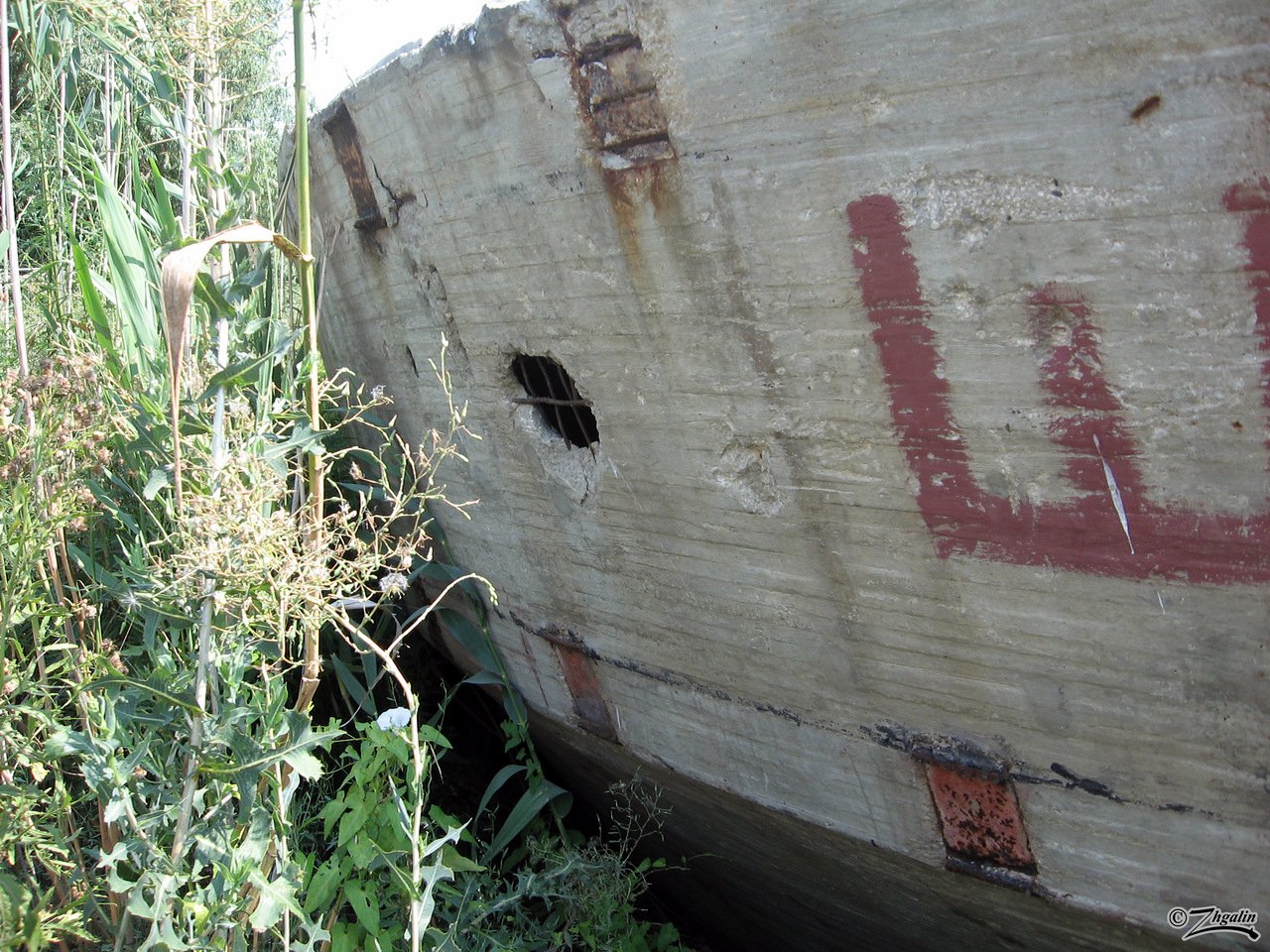
Abandoned Reinforced Concrete Ship on the Volga River
No comments · Posted by Sergei Rzhevsky in Uncategorized
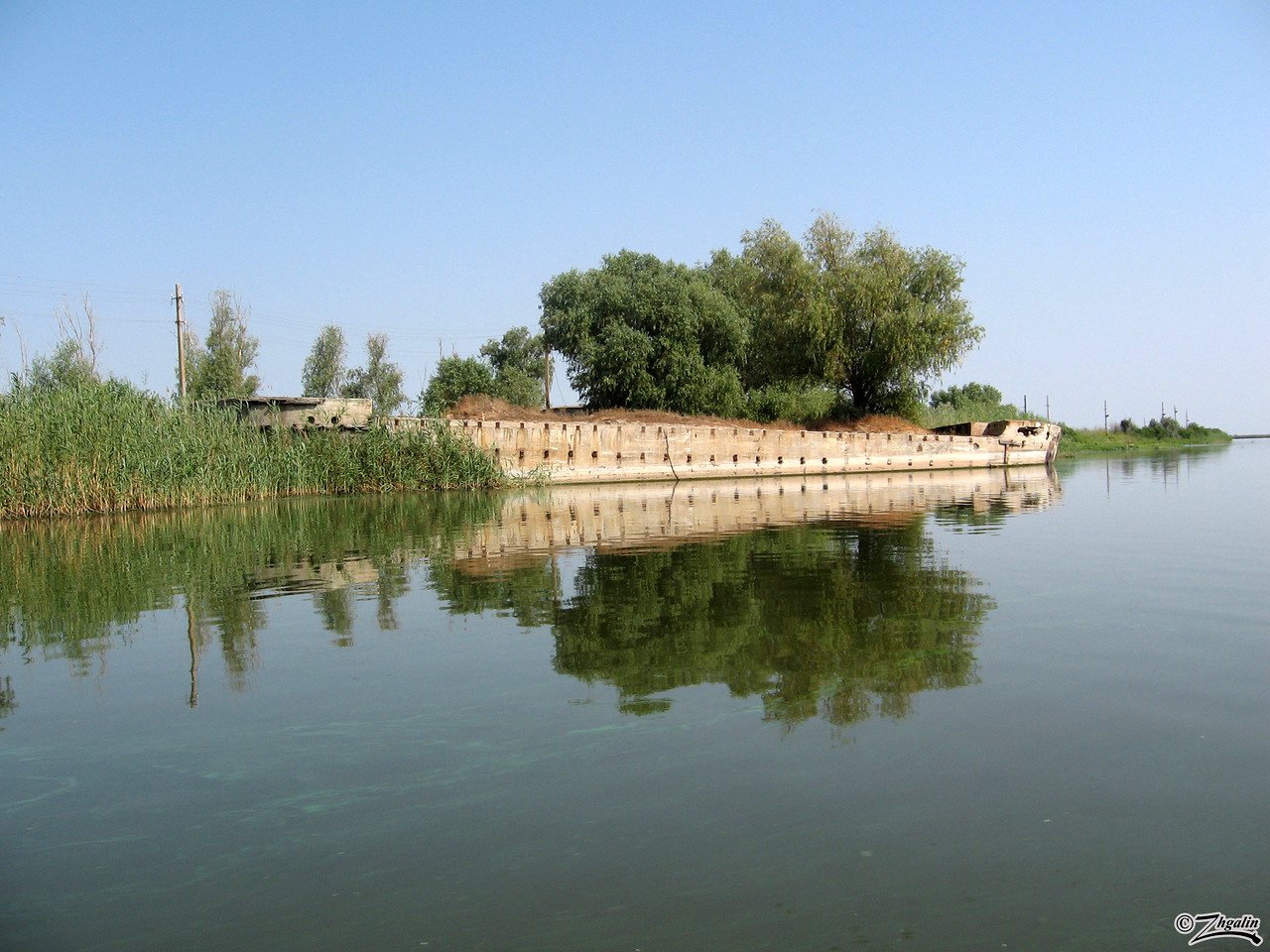
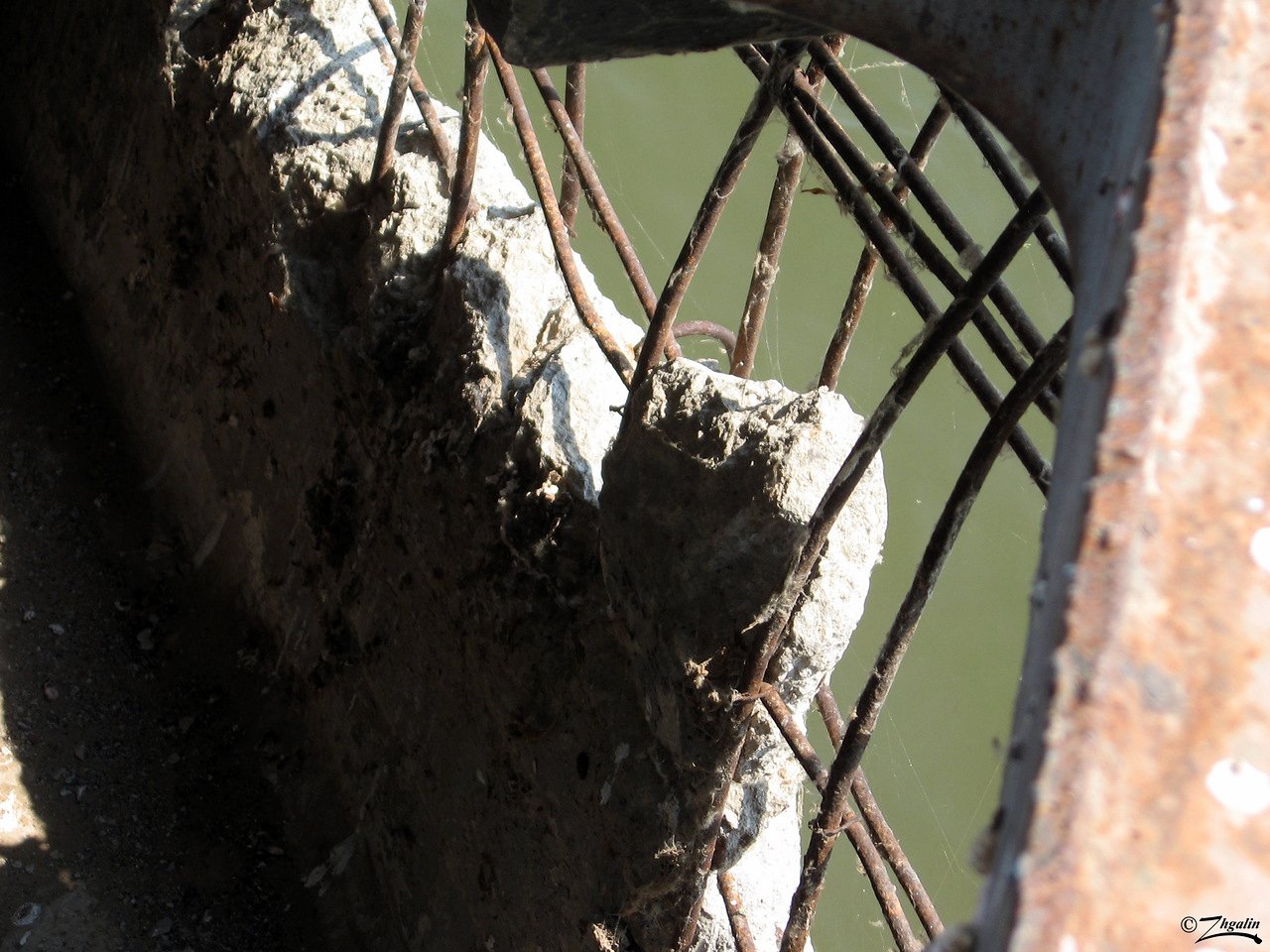
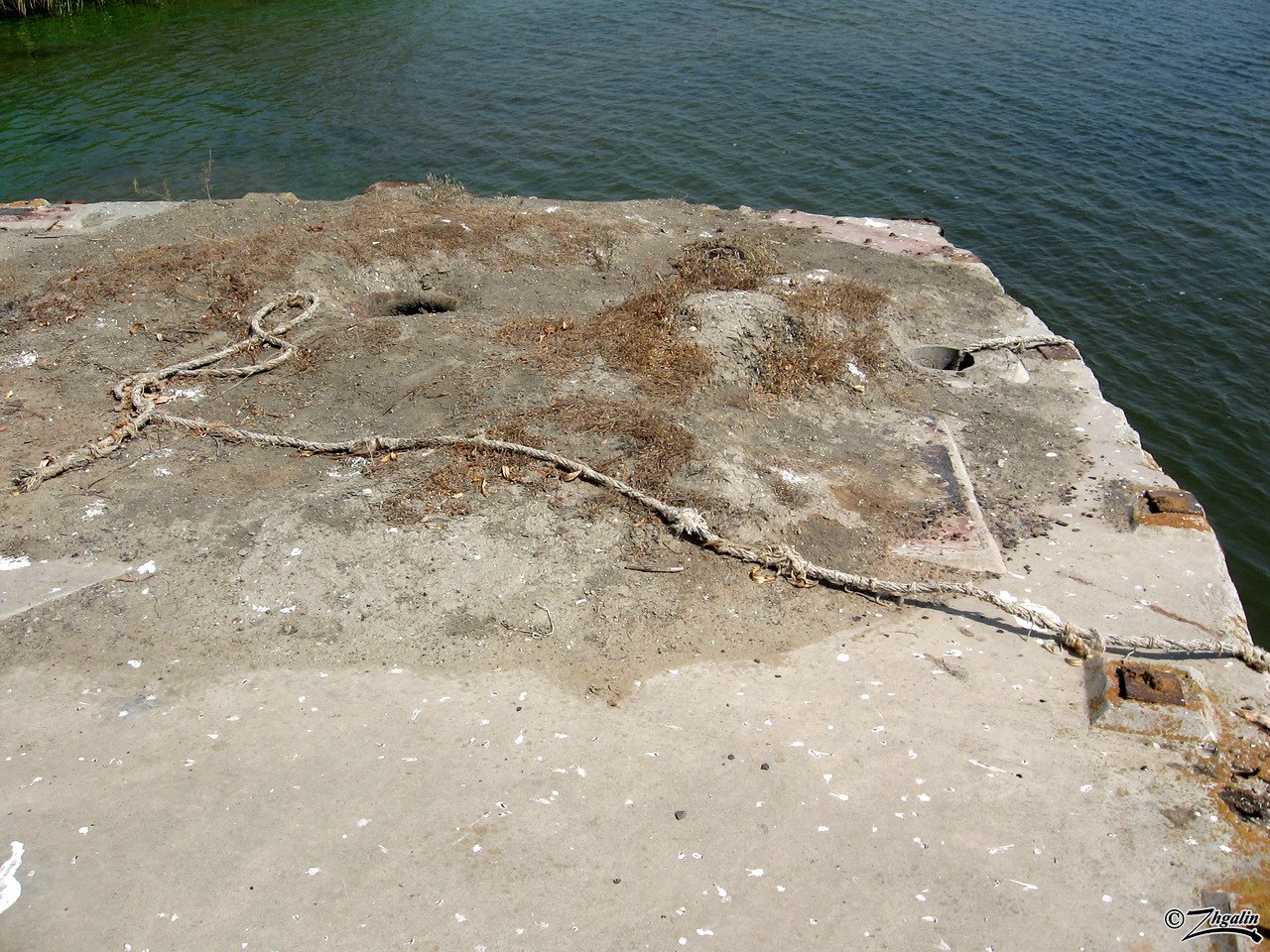
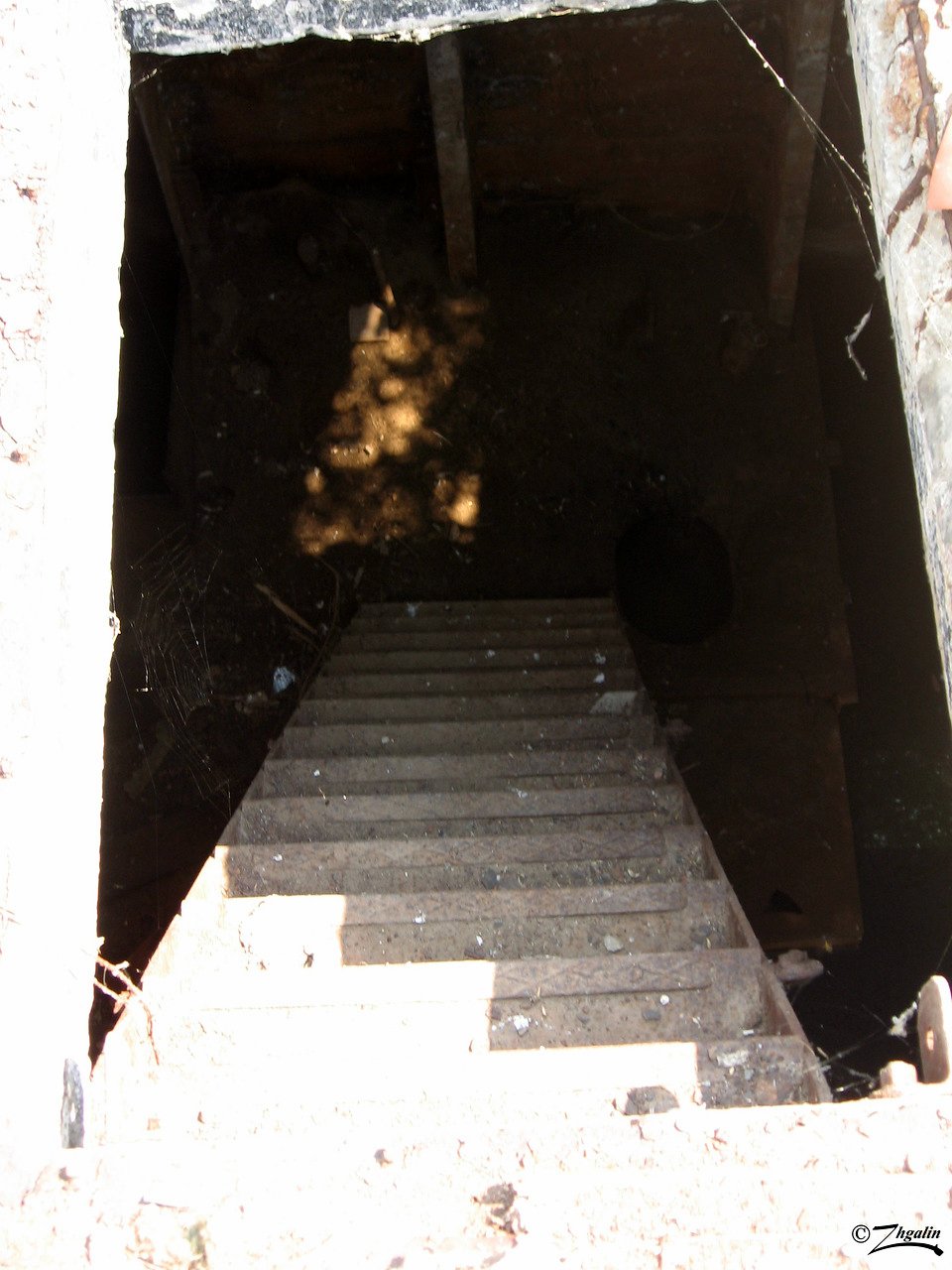
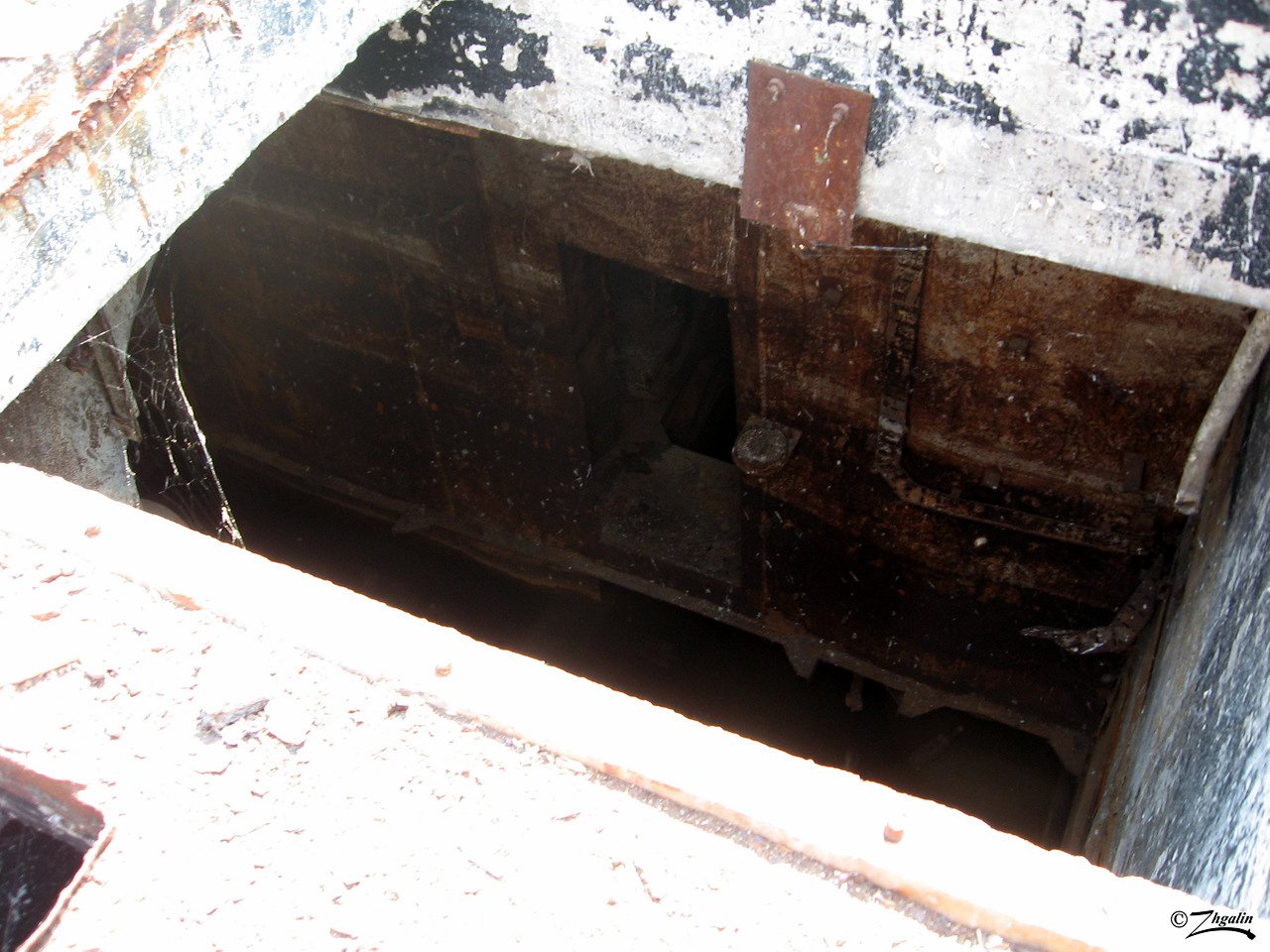
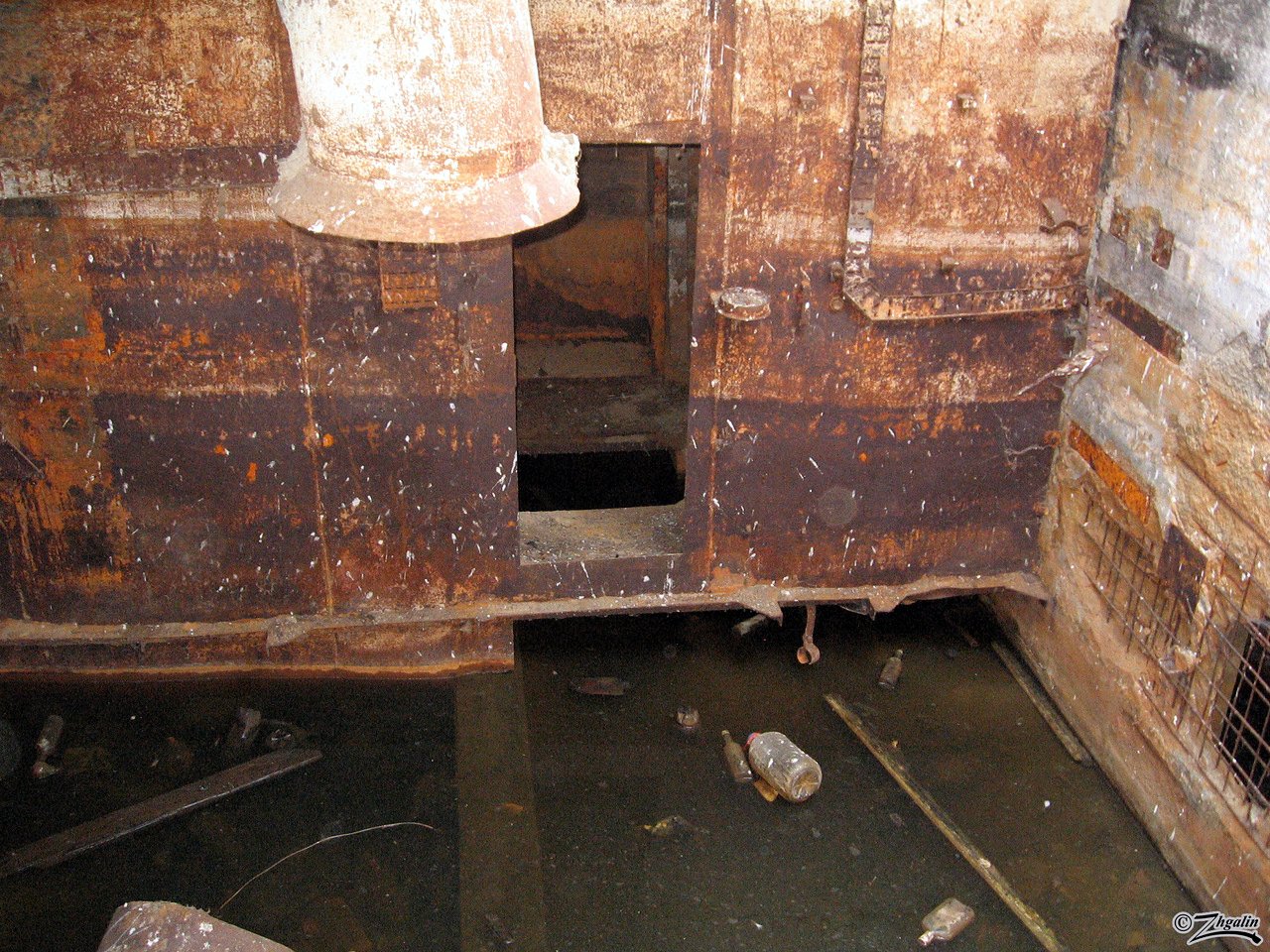
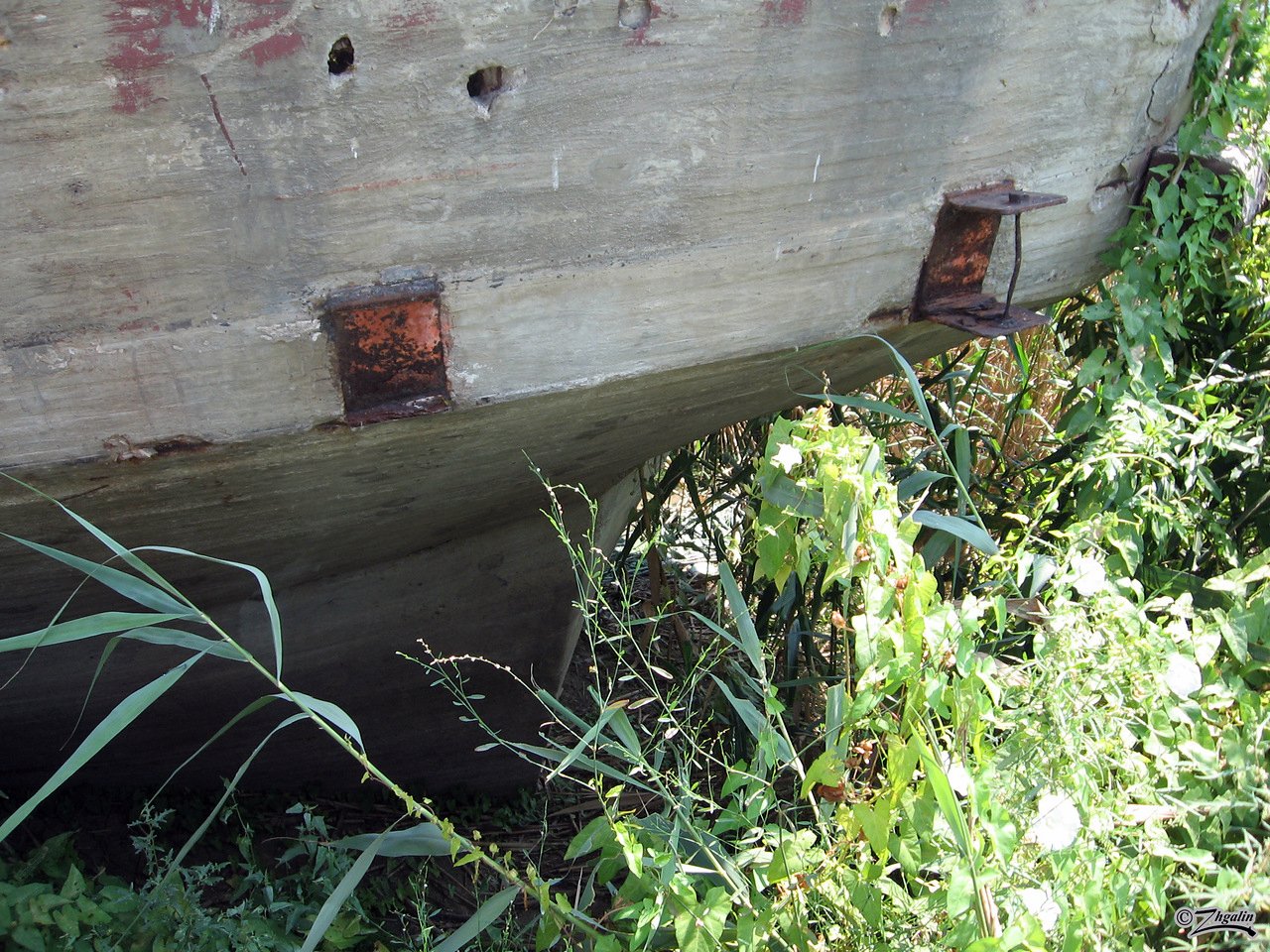
It seems you can find everything in Russia. For example, this unusual concrete ship found its final resting place in the lower reaches of the Volga in (Astrakhan Oblast), a few kilometers from the Caspian Sea.
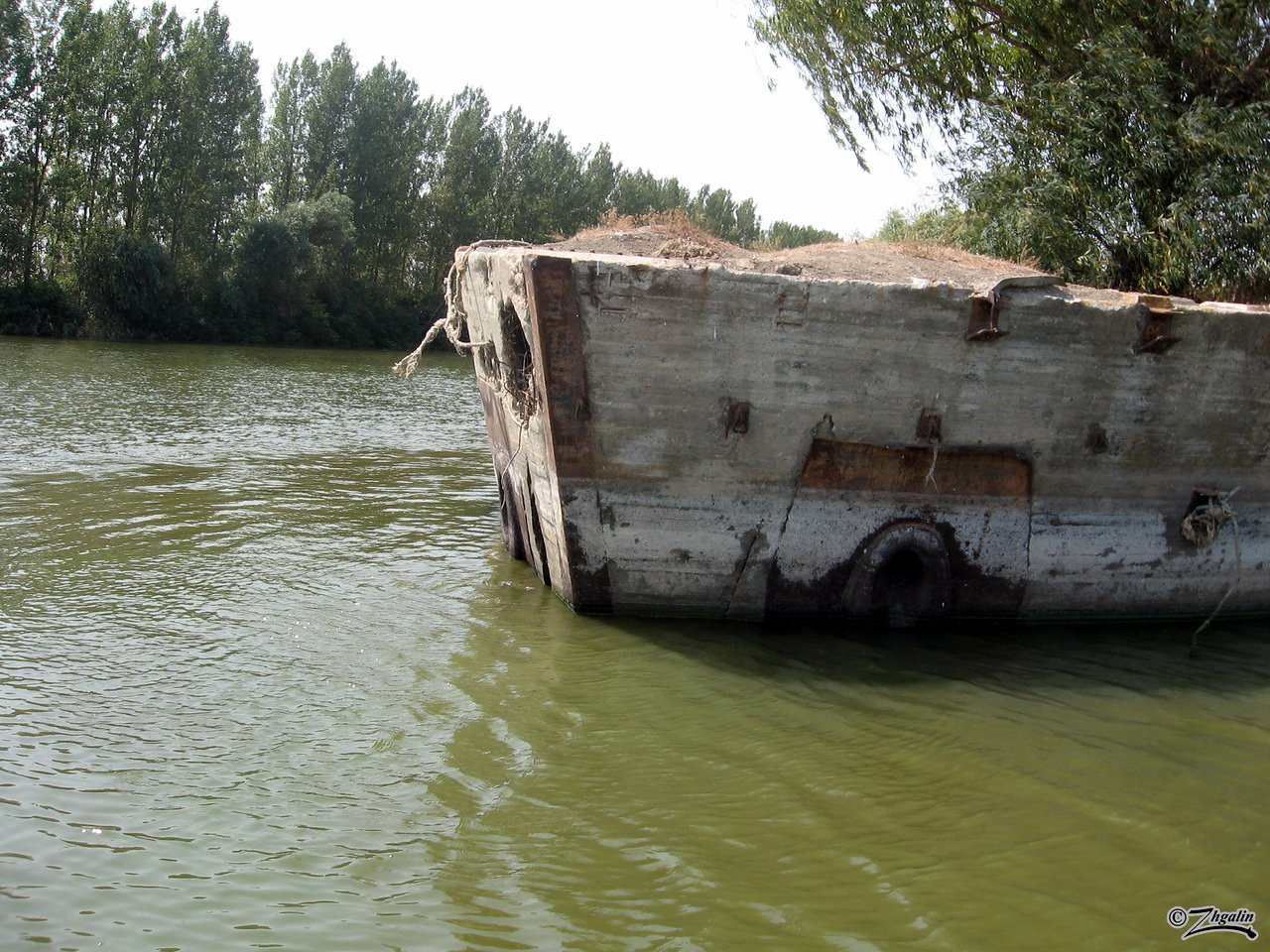
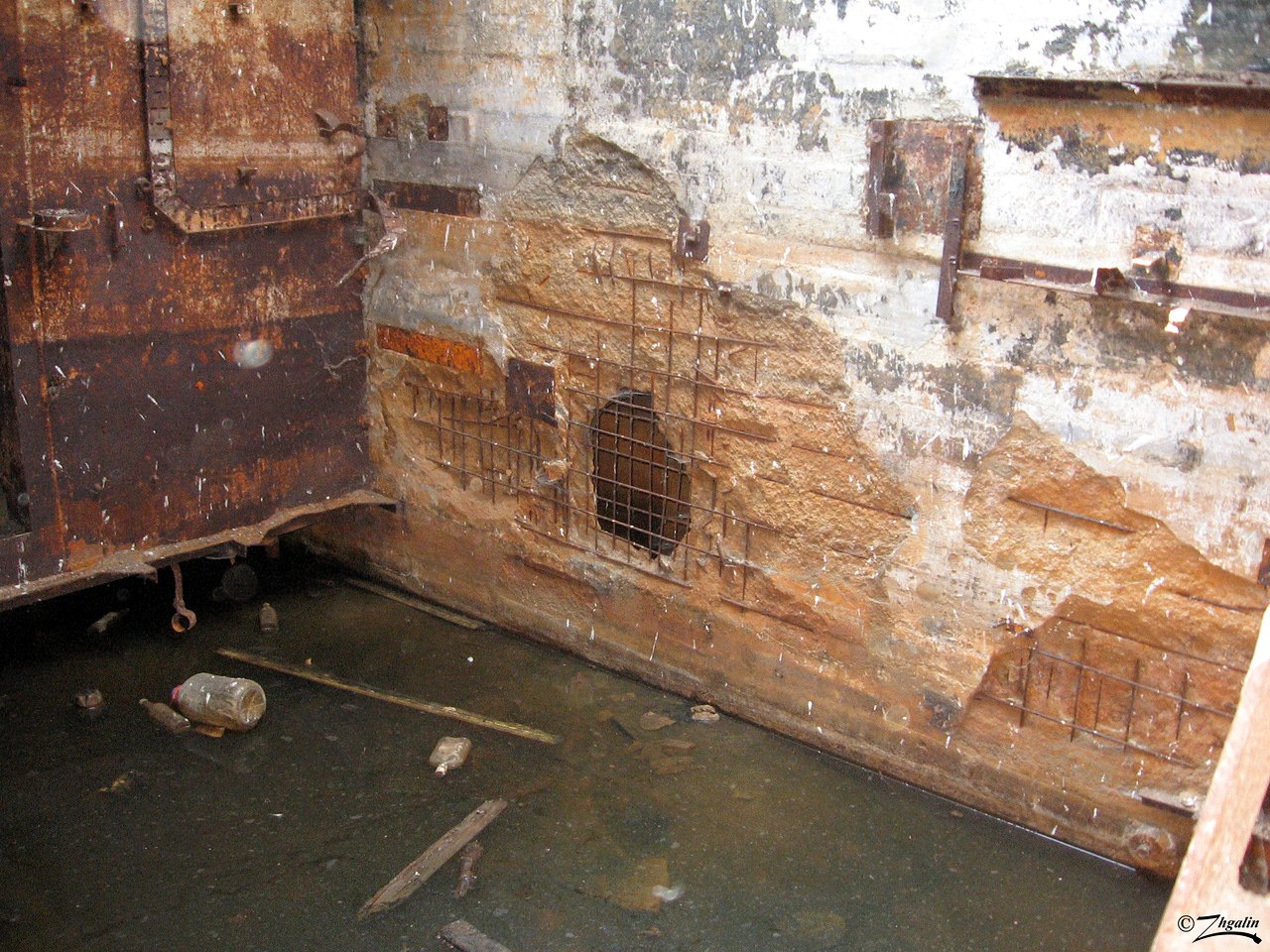
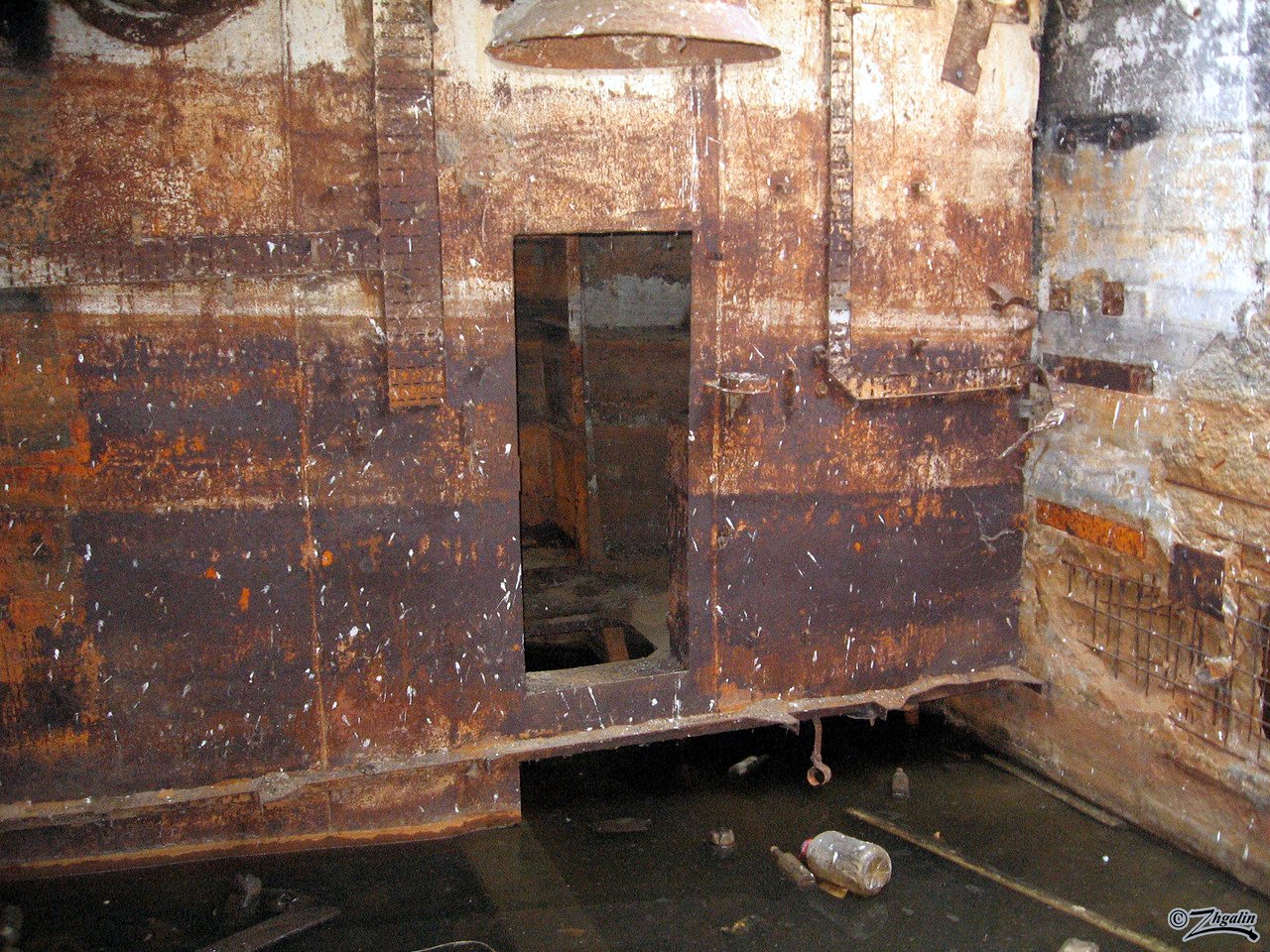
The ship’s hull is made of reinforced concrete. Those parts of the hull where concrete was unsuitable were made of iron. This ship is not unique. Several countries designed and built various reinforced concrete ships during periods of severe metal shortages. Photos by zhgalin_photo.
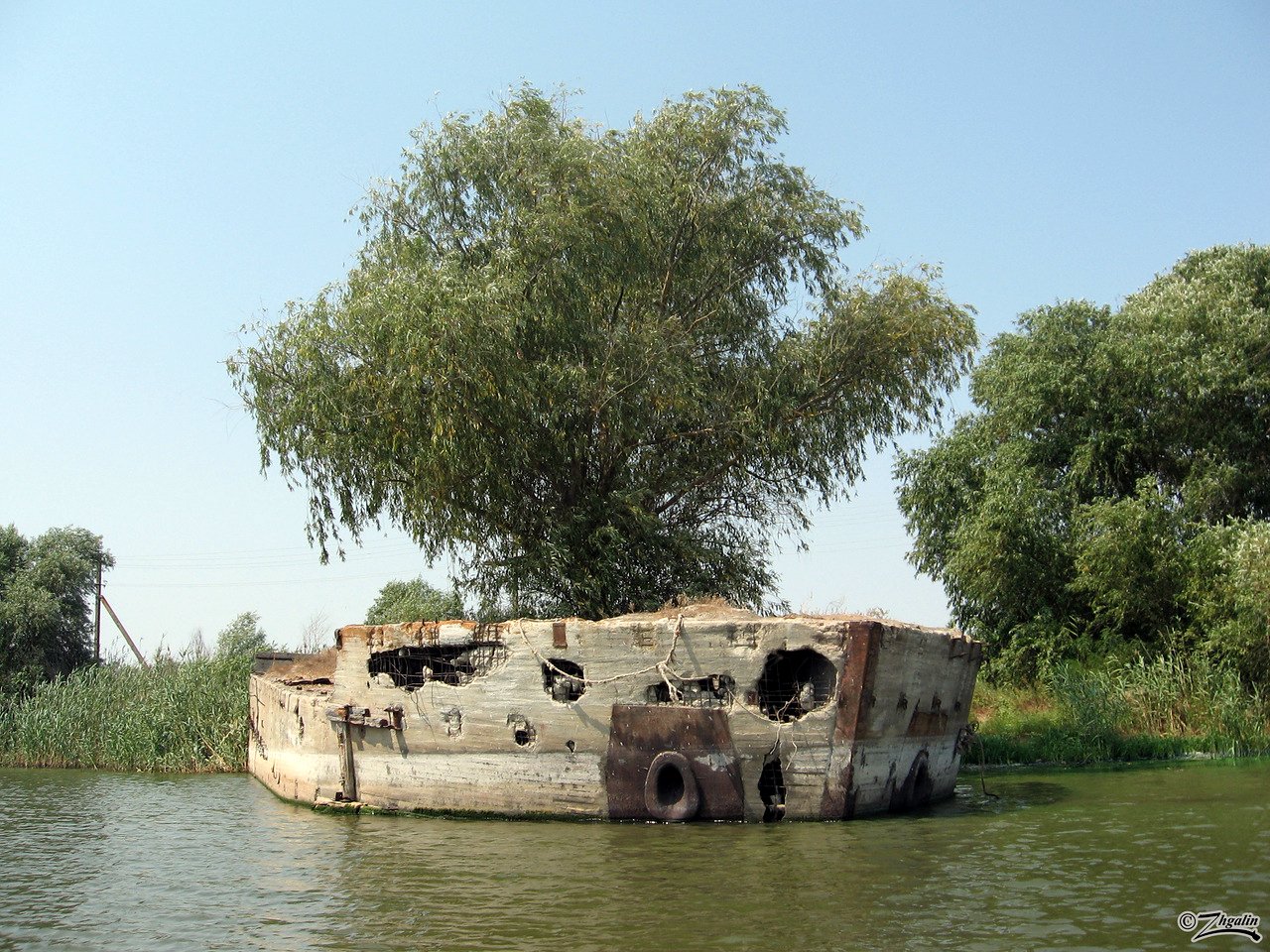
Indeed, concrete is a very practical material for shipbuilding. Firstly, it’s much cheaper than metal, and secondly, damage is easy to repair. The main drawback of concrete as a building material is its brittleness.
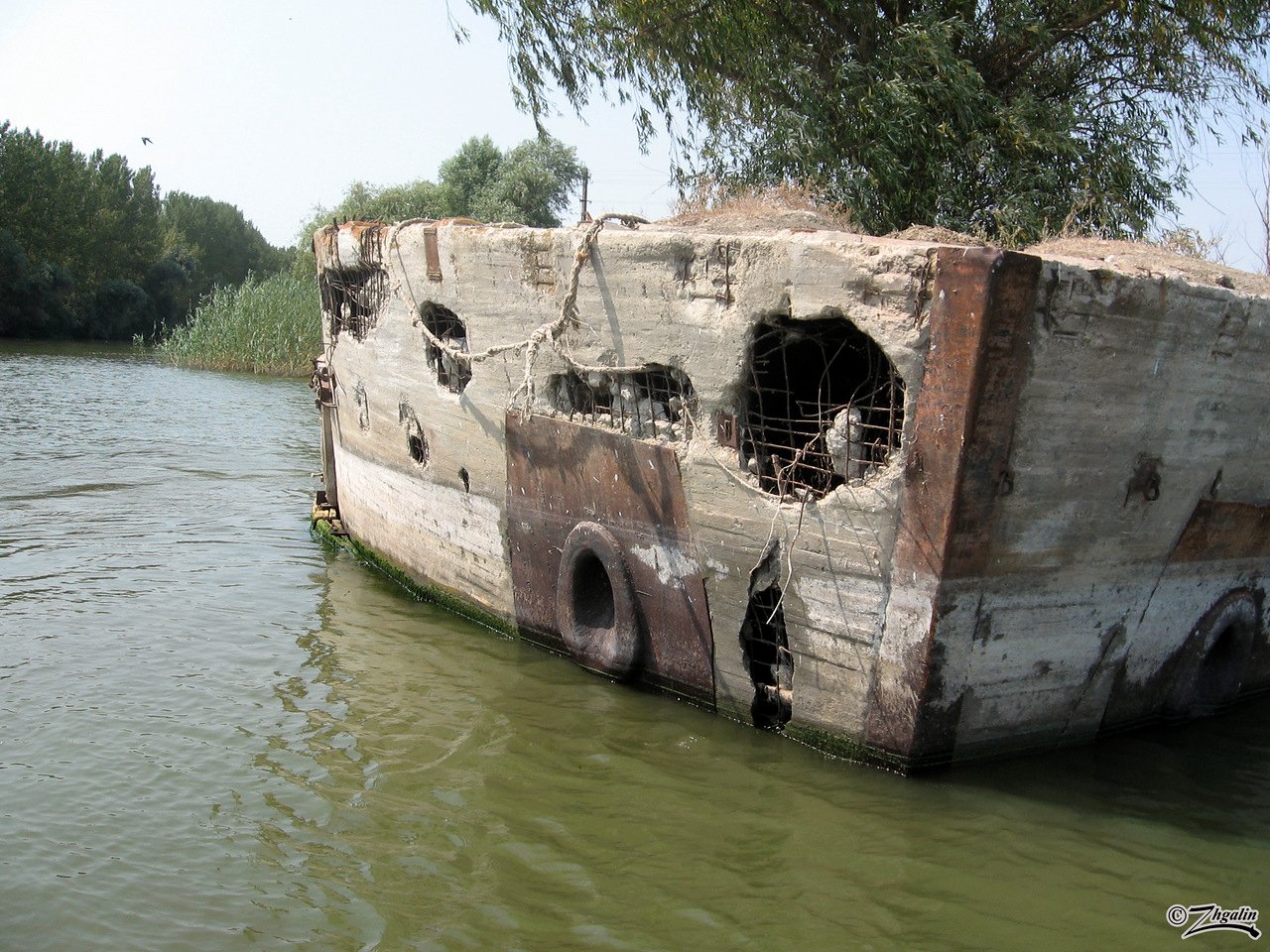
It appears to be a small tanker rather than a bulk carrier. However, the deck could also be used for transporting cargo such as timber. Overall, its true purpose remains a mystery.
The first patent for a vessel with a reinforced concrete hull was registered in 1852 in France. French inventor Jean-Louis Lambot, who made plant pots, chairs, and other items from cement on a metal frame, created a rowboat with a hull made of a material he called “ferrocement,” which consisted of cement applied to a frame of metal rods or wire.
However, the invention failed to generate interest until the outbreak of World War I in 1914, when pre-war industrial steel reserves were depleted and a shortage of metal for shipbuilding arose.

Until 1915, the construction of reinforced concrete ships, in limited numbers, was underway in all countries, including the Ottoman Empire and China. After the outbreak of hostilities, warships and merchant navies suffered losses, and in 1915, the German Empire declared “unrestricted submarine warfare.” As a result, the tonnage shortage of the active navy worsened in 1915, forcing all developed countries to adopt reinforced concrete for shipbuilding.
Until 1919, this work was carried out in the United States, Great Britain, Italy, Germany, France, Norway, Sweden, Denmark, and the Netherlands. During this time, at least 1,000 reinforced concrete vessels (sea tugs, self-propelled ferries, motor launches, barges, etc.) with a total tonnage of over 600,000 tons were built.
With the end of World War I in 1918, the intensive construction of reinforced concrete vessels largely ceased. In Russia, it began to develop rapidly after the October Revolution, and by the 1930s, the former Rybinsk shipyard was already producing series of concrete vessels for inland navigation. Between 1946 and 1948, large-scale construction of concrete vessels was launched at the Baturin, Gorodetskaya, Kostroma, Sokolskaya, Svirskaya, and Shatilkovskaya river shipyards.


Tags: No tags






<< Retrofuturistic Postcards “Moscow 200 Years From Now” (1914)