
8
The Life of the Nenets Reindeer Herders in Yamal
No comments · Posted by Sergei Rzhevsky in People, Regions, Society
Yamal is a peninsula located in the north of Western Siberia, on the territory of the Yamal-Nenets Autonomous District. The landscapes of the peninsula are predominantly tundra with numerous lakes. The length of the peninsula is 700 km, the width is up to 240 km. The word “Yamal” is translated from Nenets as “edge of the earth”.
This part of Russia is underdeveloped in terms of population. The Nenets, the indigenous people of Yamal, engage in traditional activities such as large-scale reindeer herding, fishing, and hunting. According to the 2021 census, the total number of Nenets is approximately 35-36 thousand people. Yamal on Google Maps. Photos by: Andrei Kireev.
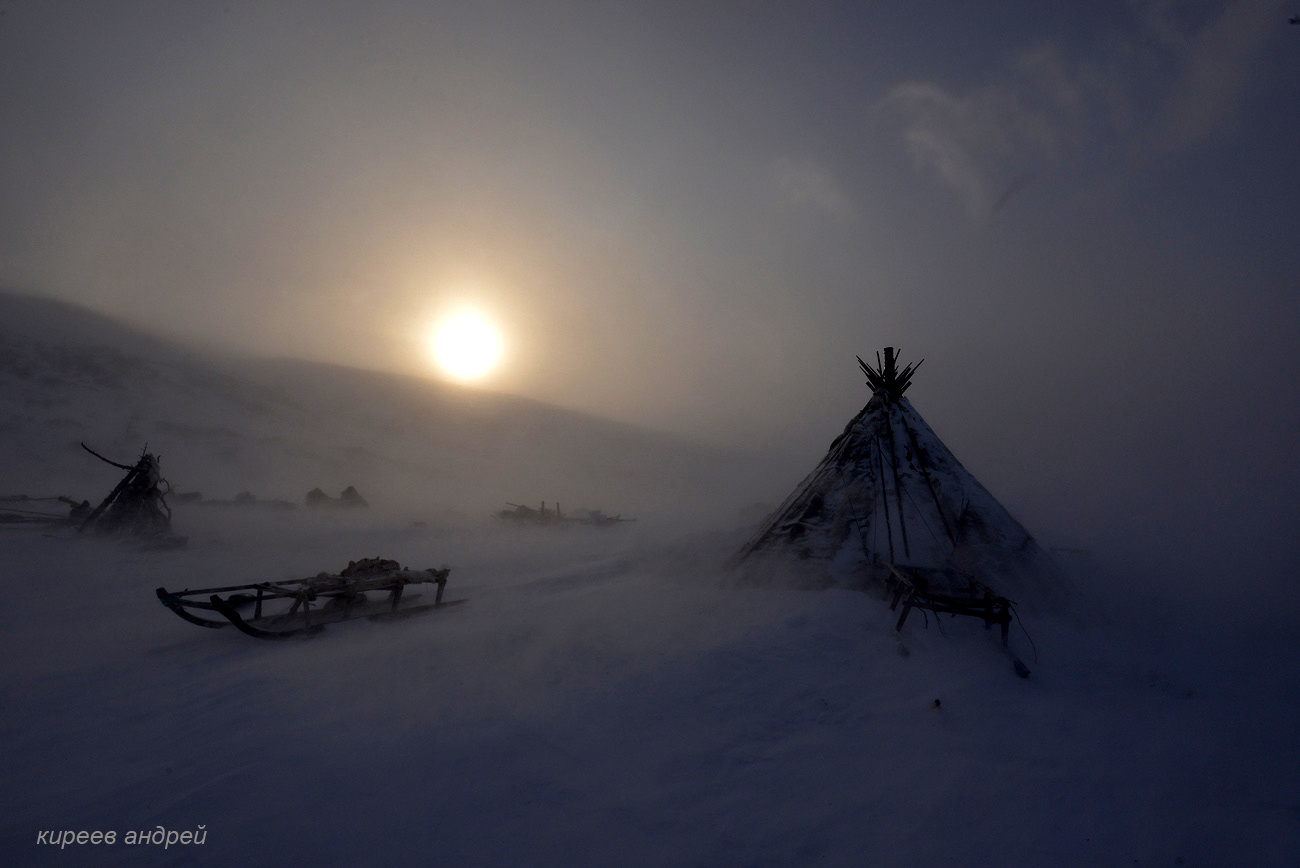
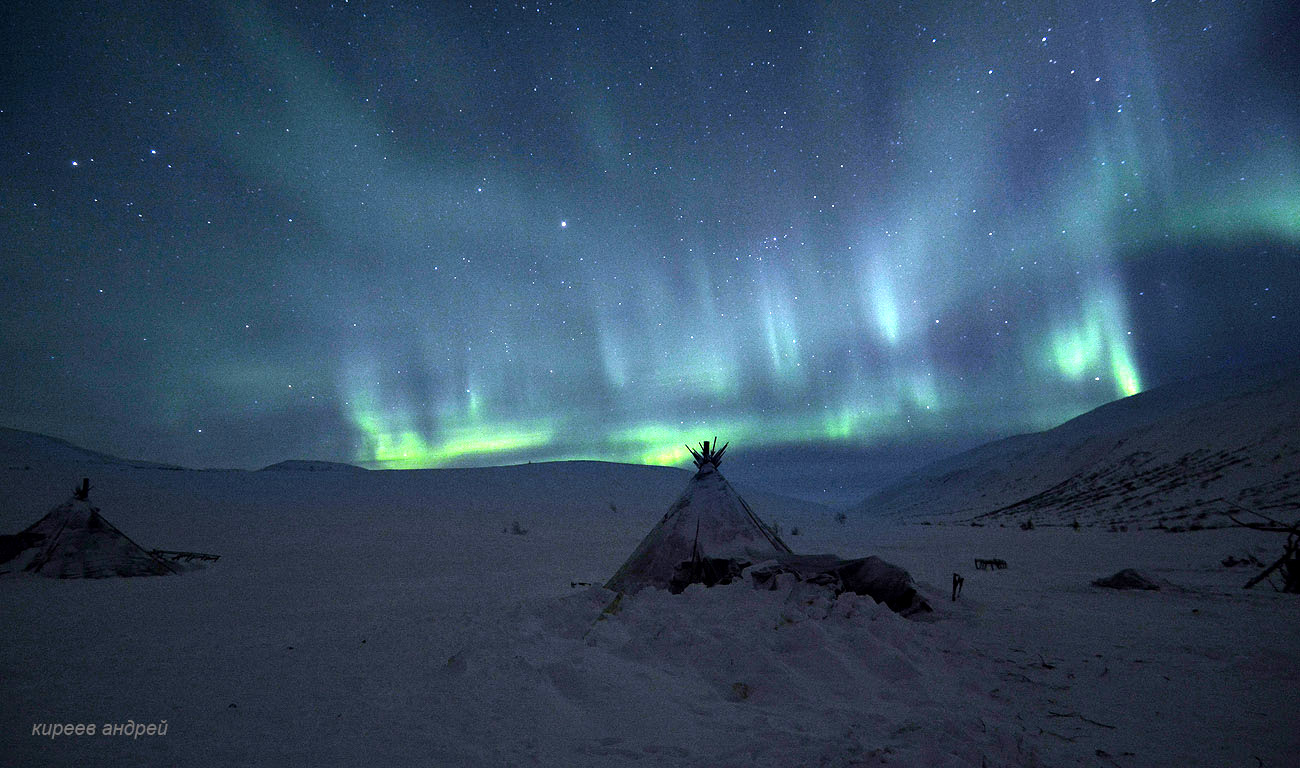
The northern lights and a typical Nenets tent made of untreated leather. The air temperature was minus 30 degrees Celsius.
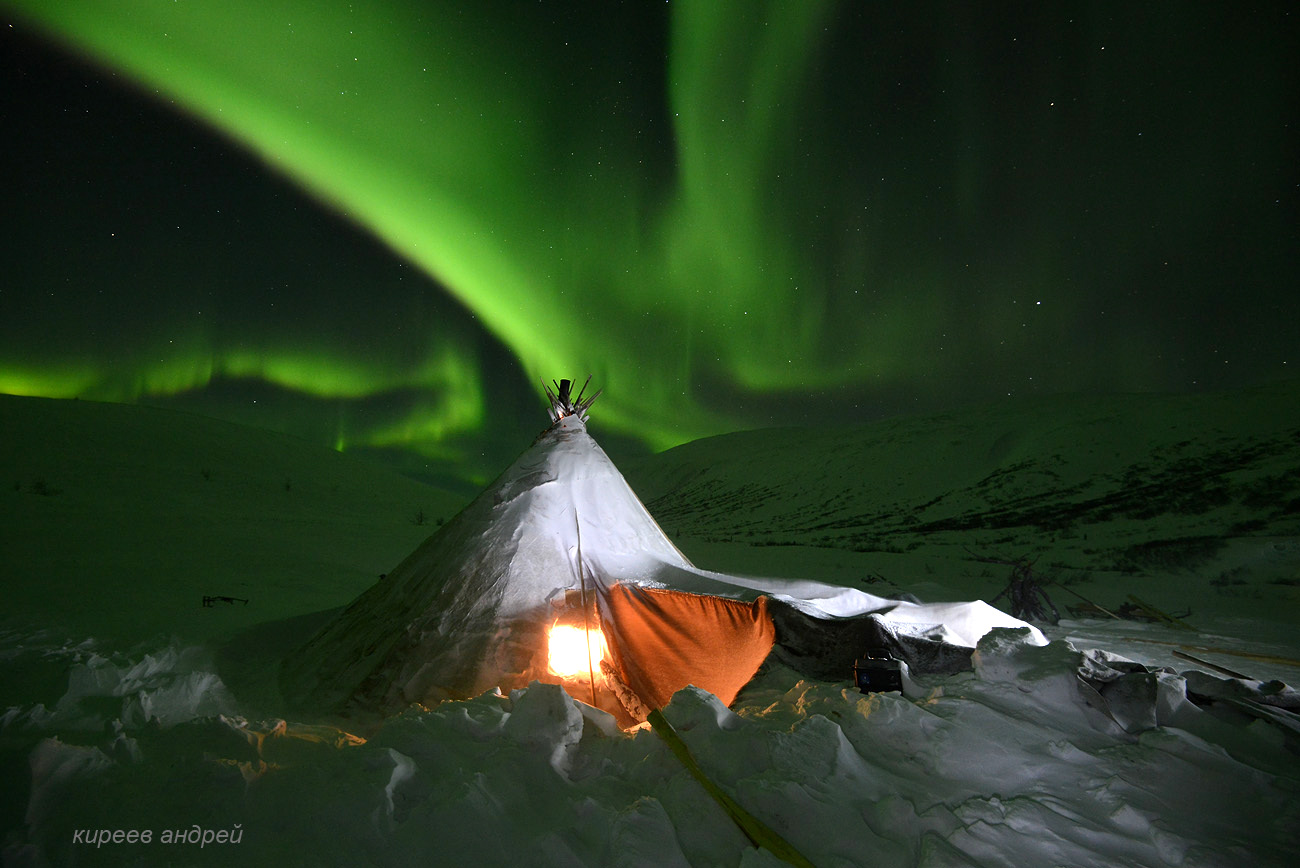
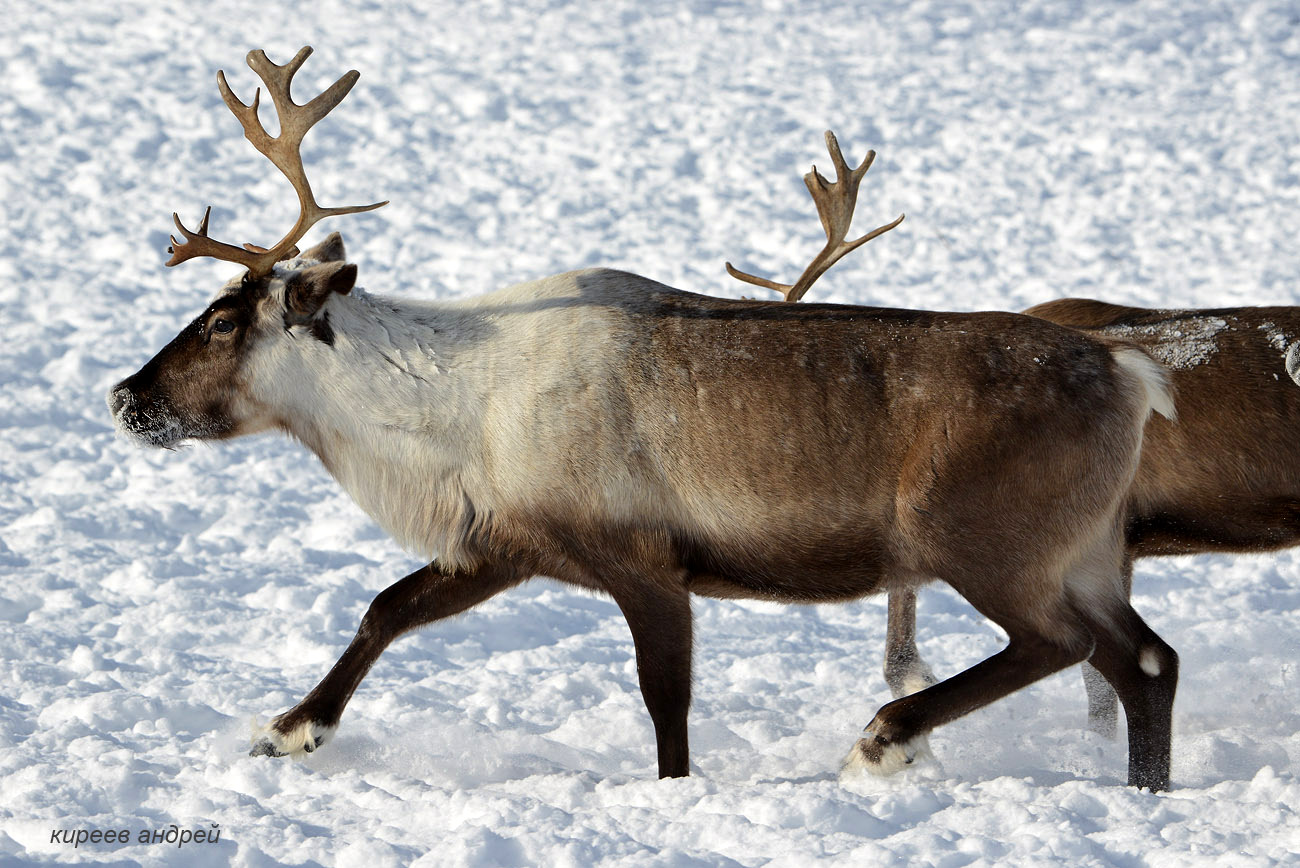
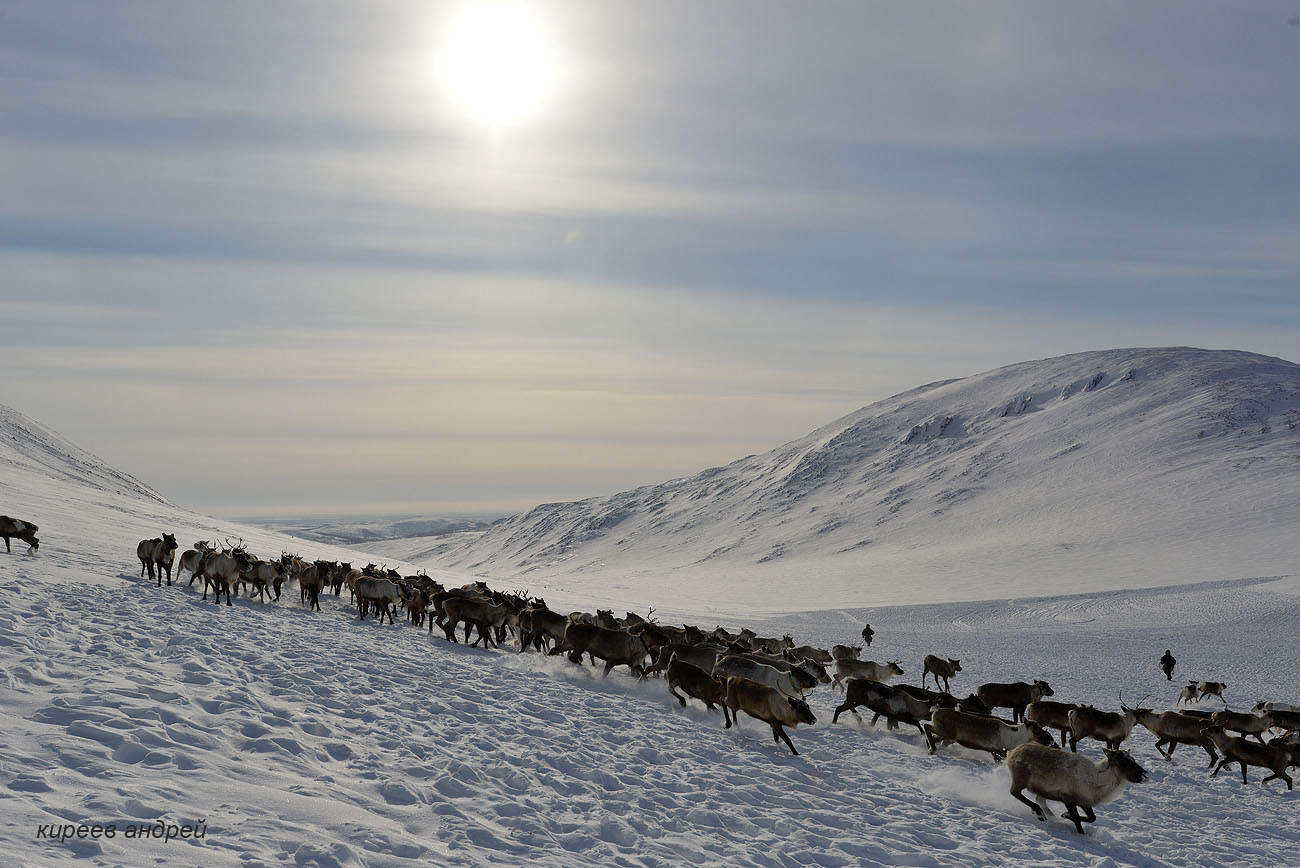
The Nenets call themselves “children of the reindeer.” Their lives are so closely connected to this northern animal. Reindeer herding is mainly family and private.
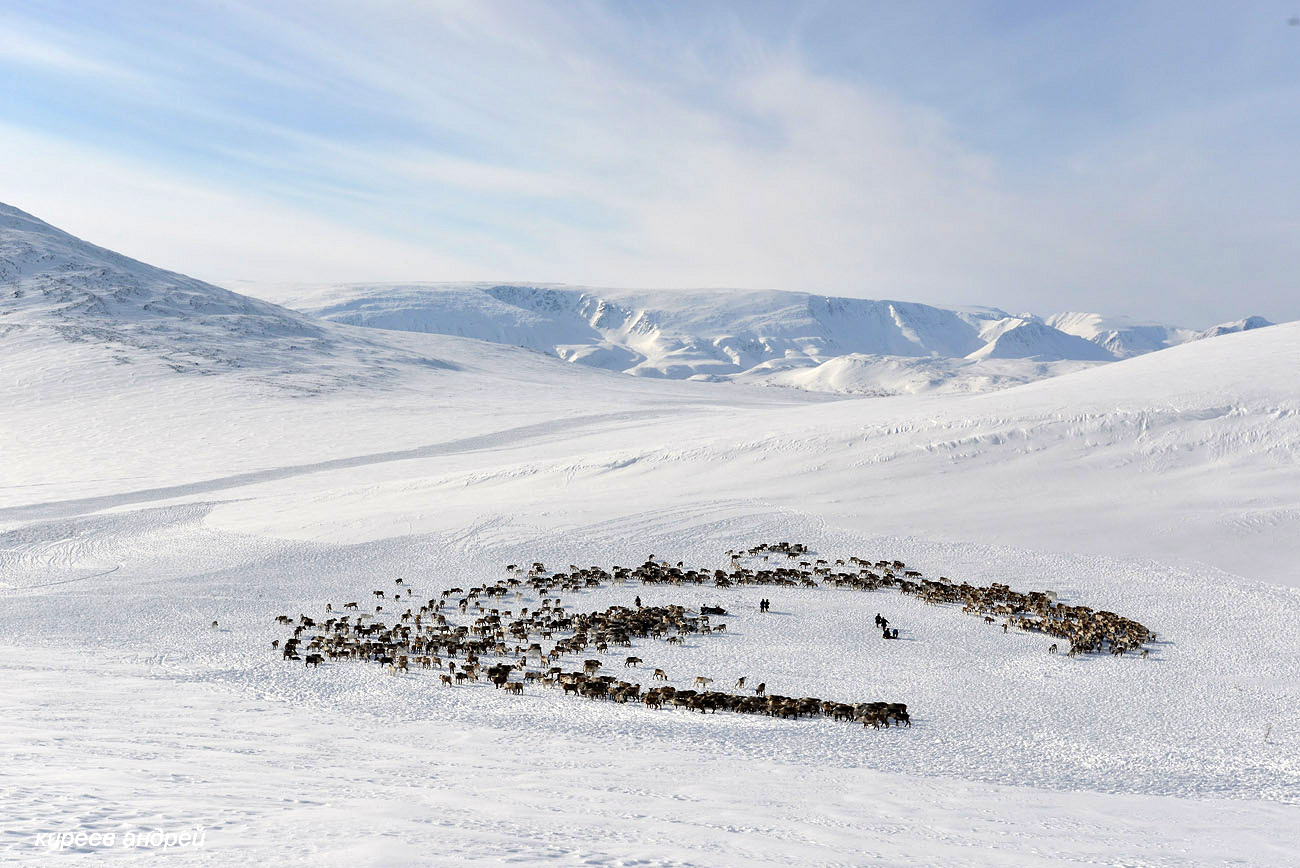
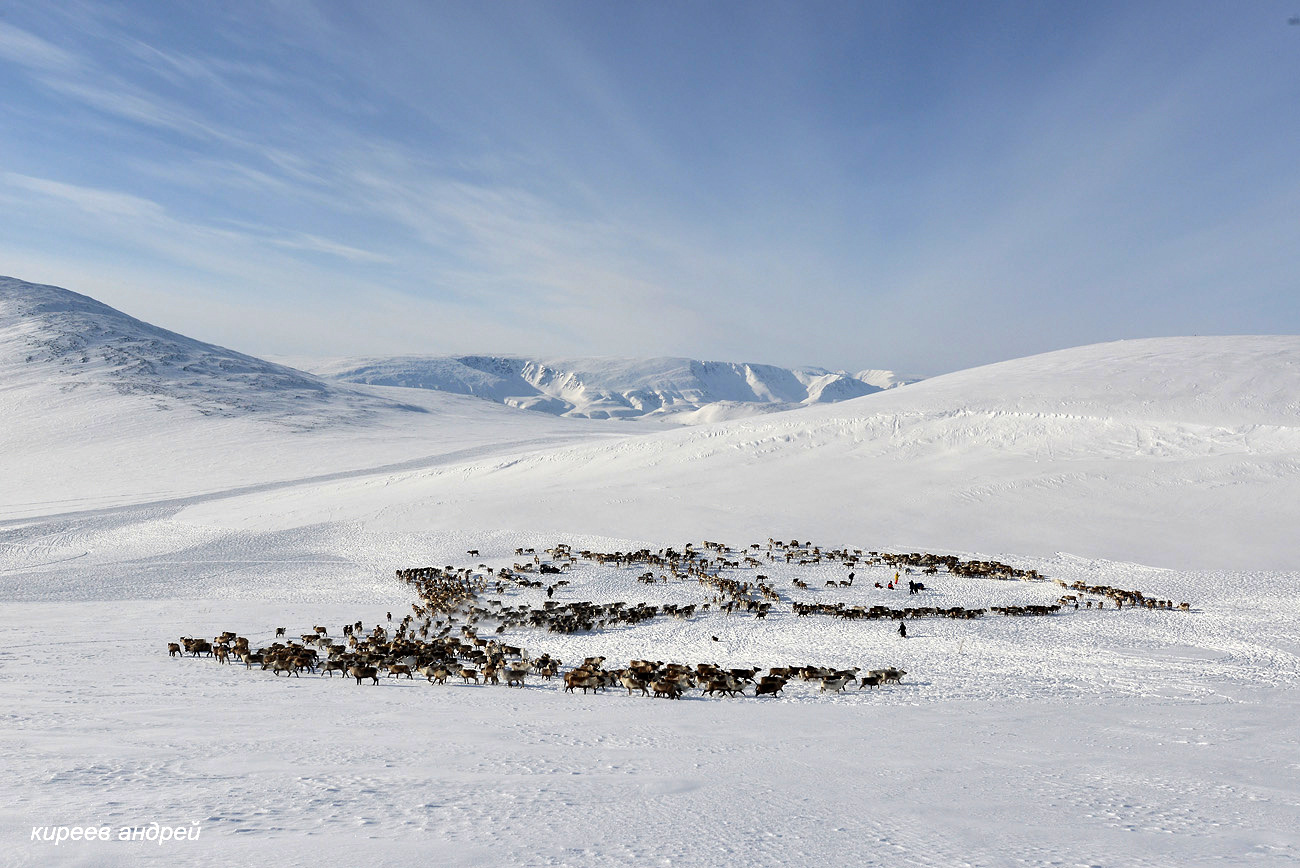
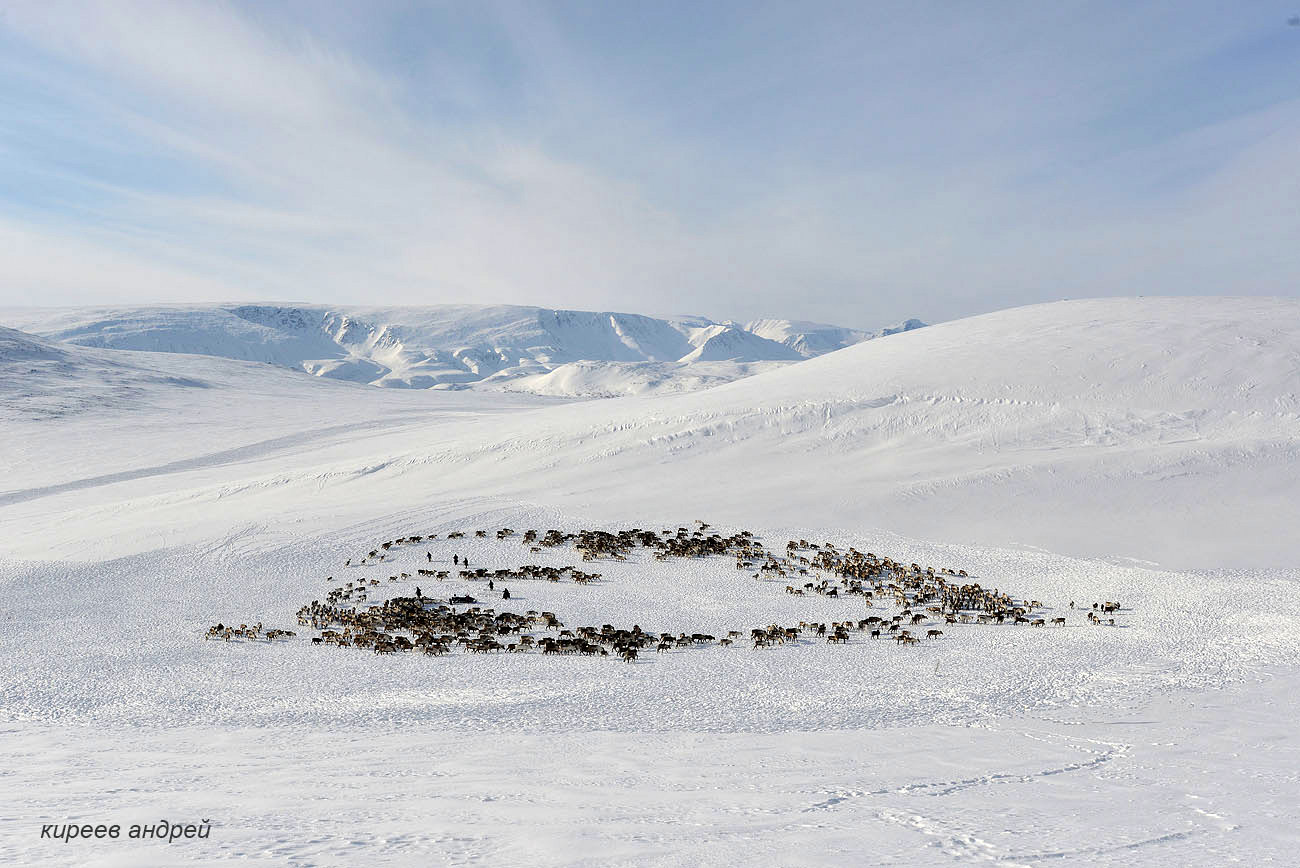
Several thousand Nenets reindeer herders roam the Yamal Peninsula, owning the main herd. The Yamalo-Nenets Autonomous Okrug has the largest herd of domestic reindeer in Russia and the world with a total of about 650–730 thousand.
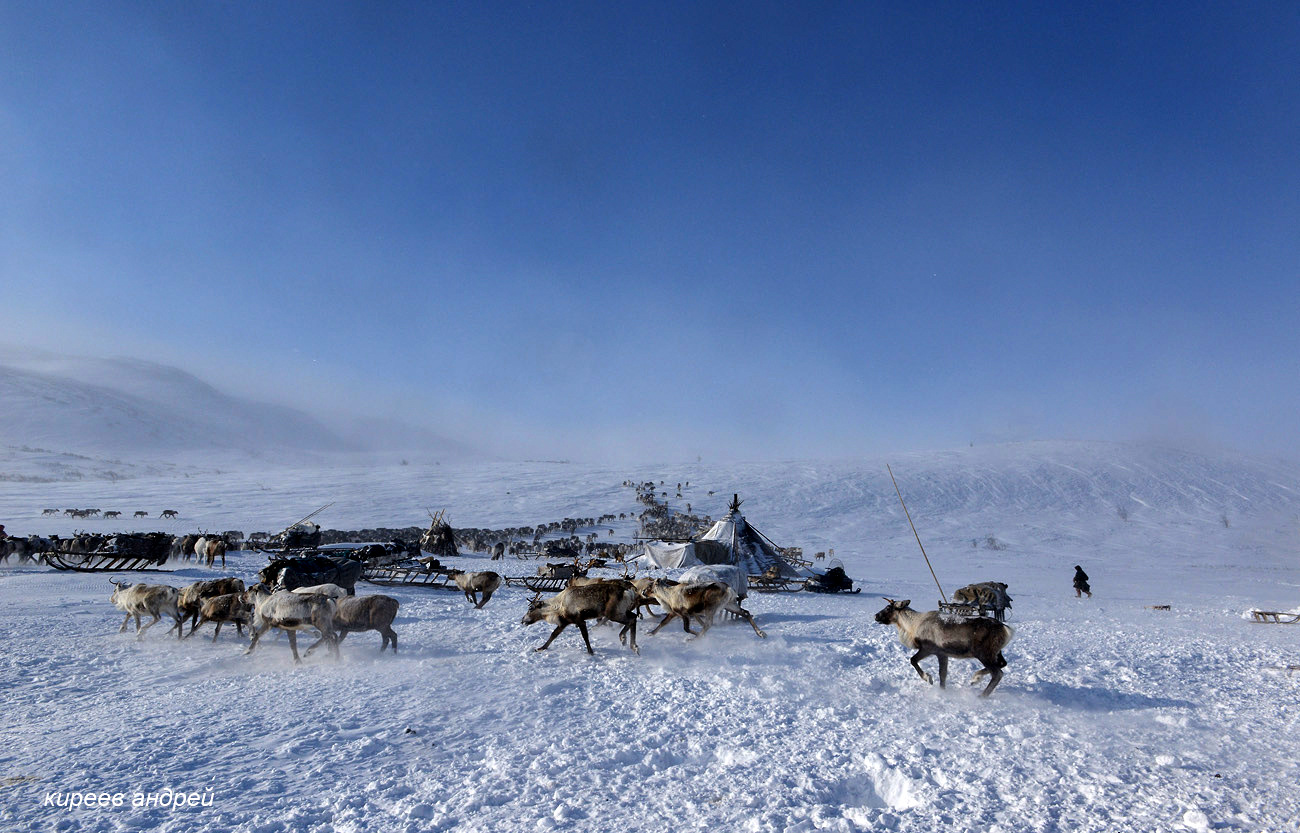
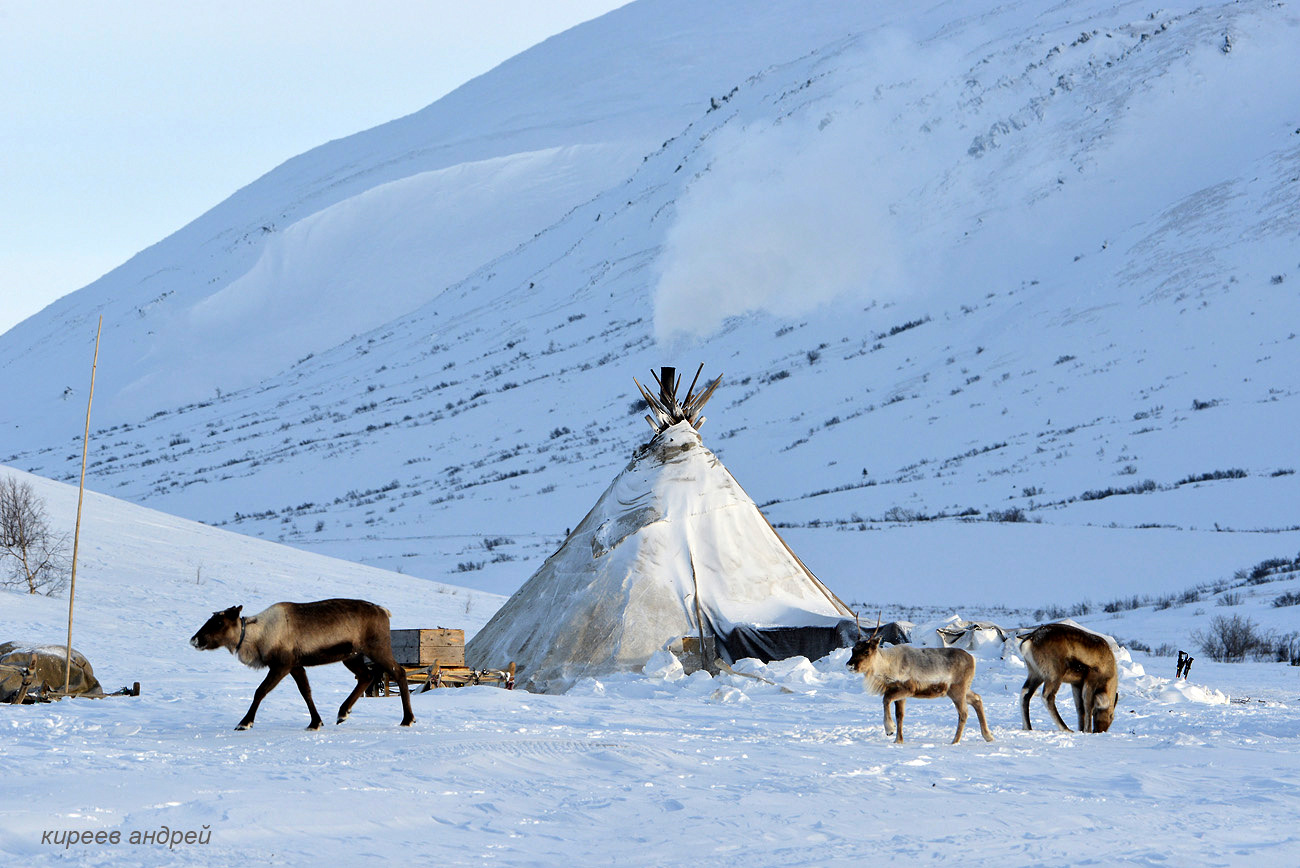
Since ancient times, the Nenets have lived in cone-shaped tents. Even now, for them, it’s not just a home, but an entire world, the center of family life. There’s virtually no furniture except for small tables and a chest of clothes. They also have a stove, a satellite dish, a TV, a laptop, and a generator. Nenets women make warm clothes from reindeer skins themselves.
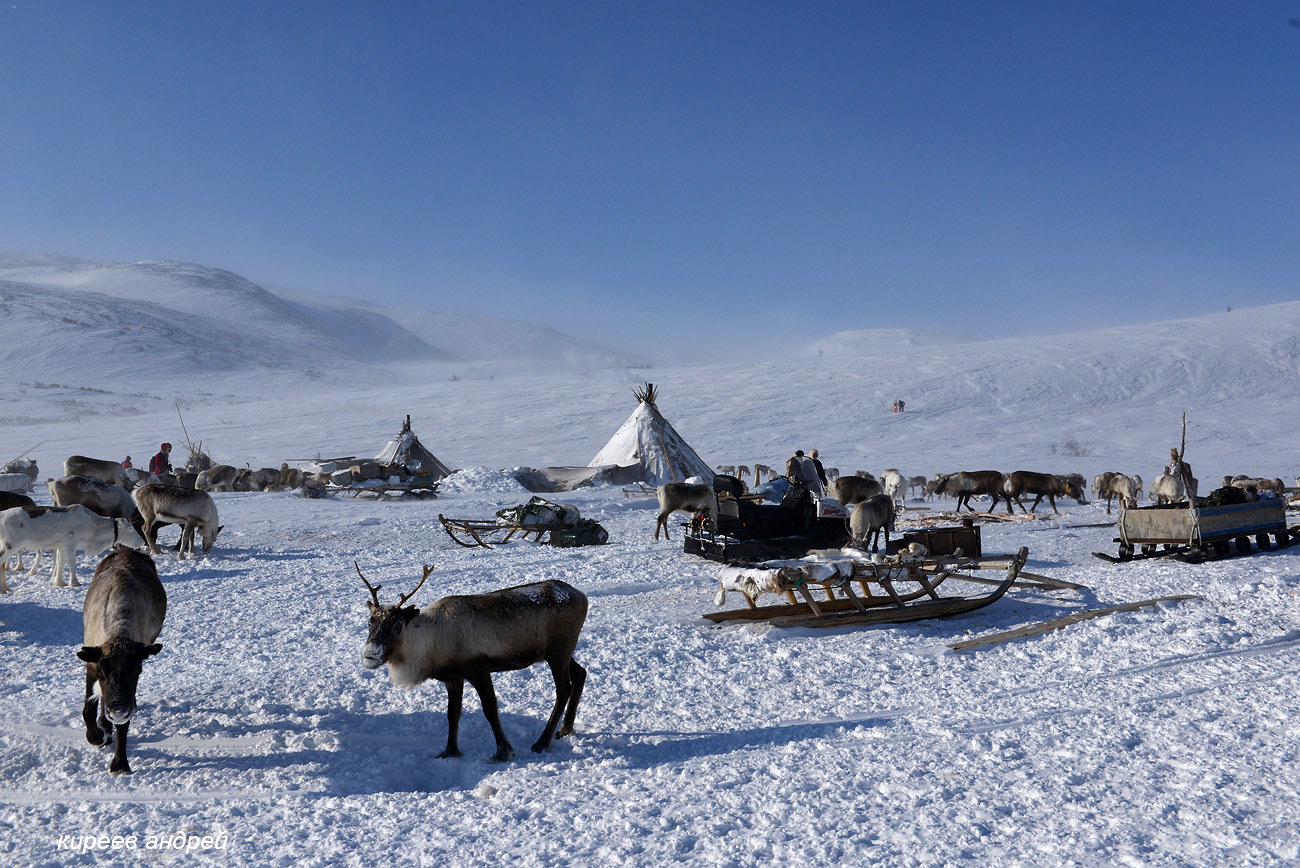
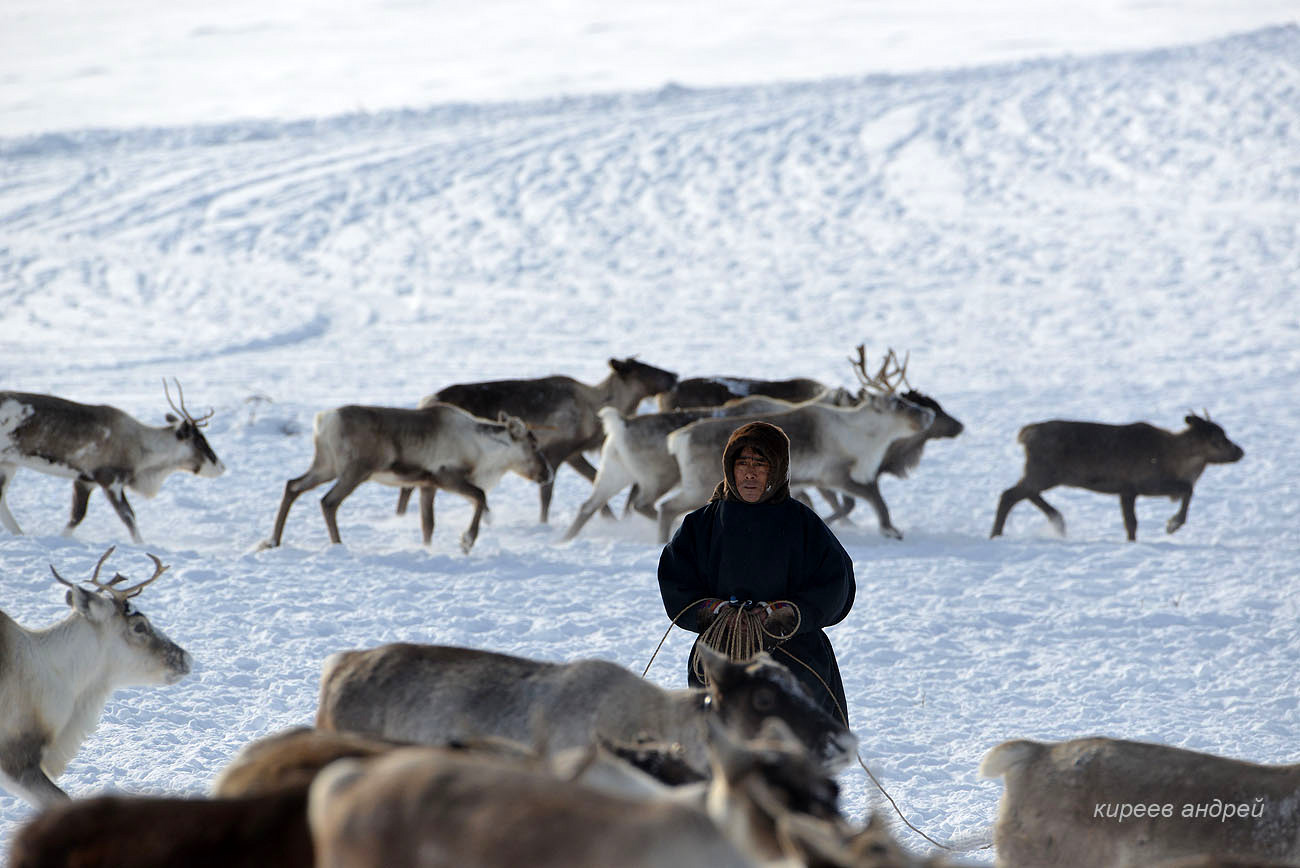
Traditional Nenets reindeer herding is characterized by large herds (ranging from 200-300 to 2,000-3,000). The Tundra Nenets lead a nomadic lifestyle, moving with their herds from the forest edge (in winter) to the Arctic coast or into the mountain tundra (in summer).
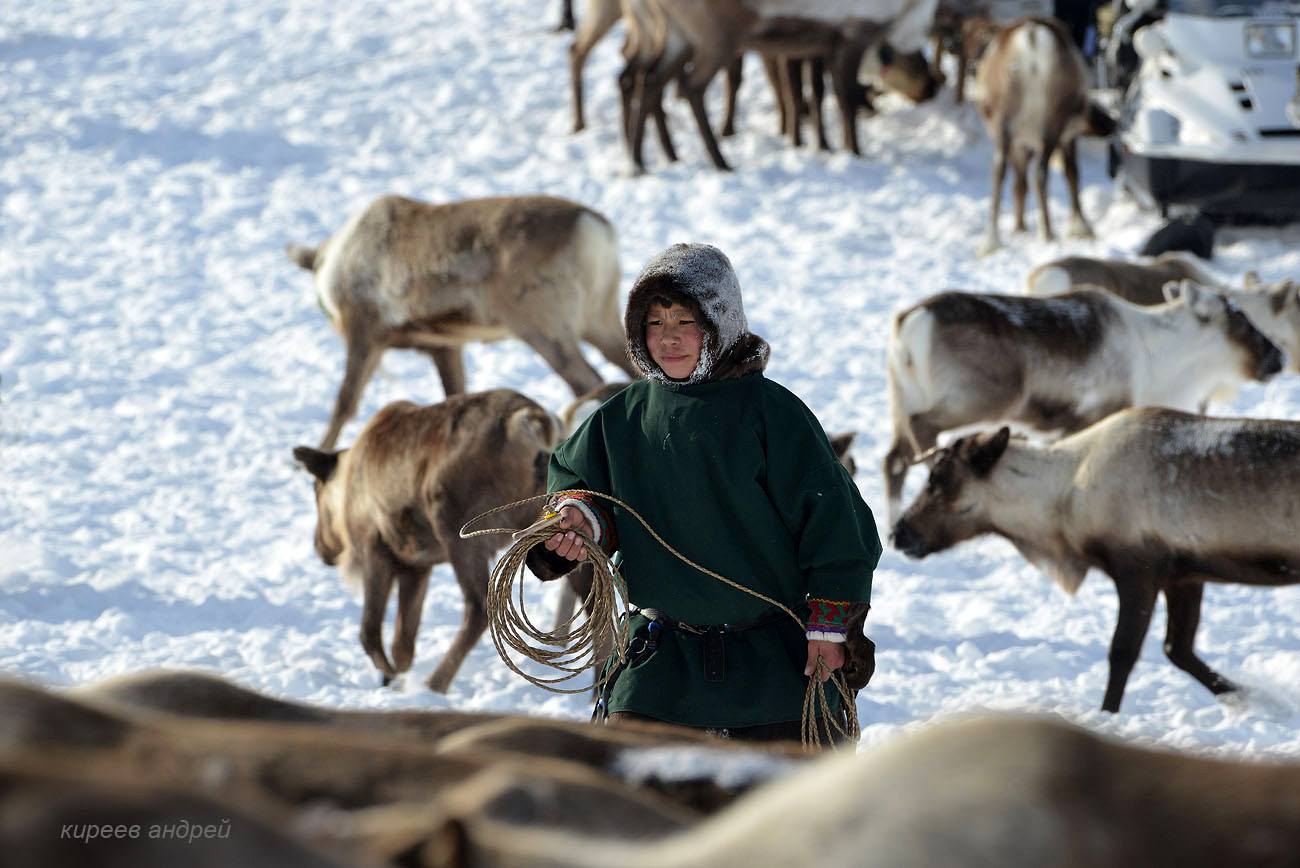
The annual routes extend for 1,000-1,500 km. The duration of camps, depending on pasture conditions and herd size, ranges from a few days (in spring and fall) to 2-3 weeks (in winter).
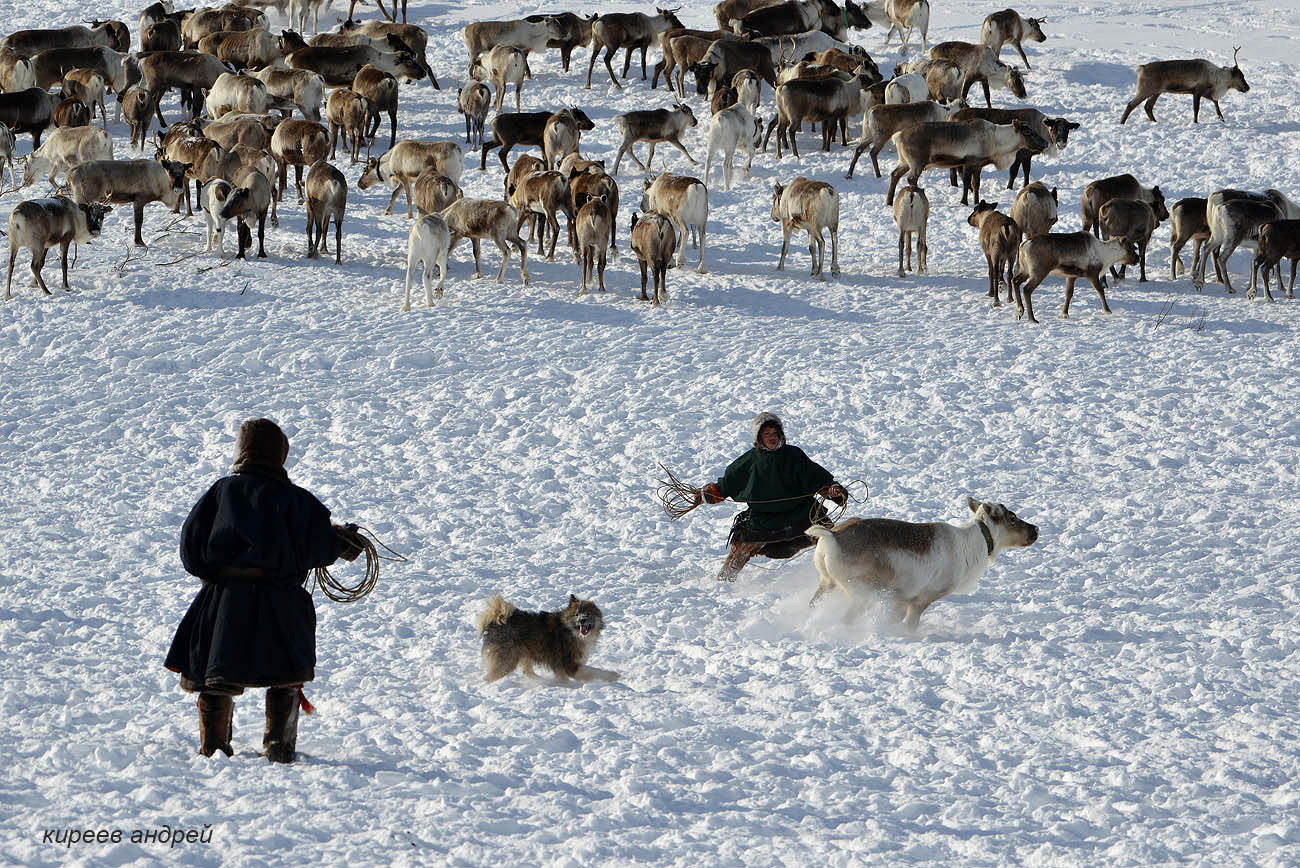
Camps expand in summer to 6-9 tent-type households (to guard the combined herd) and are divided for the winter half of the year. On average, a family and/or team makes up to 100 or more migrations per year, with the average migration length ranging from 5 to 20 km.
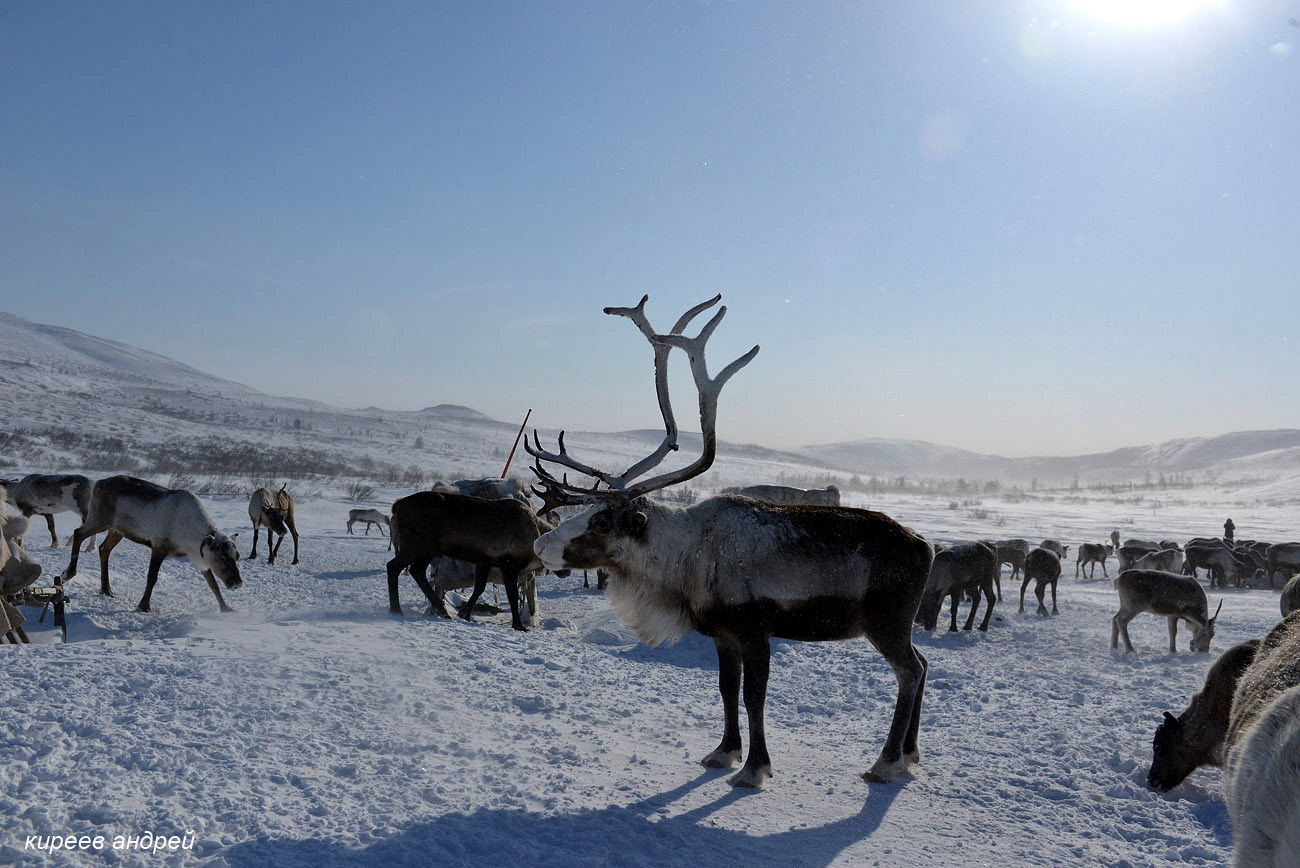
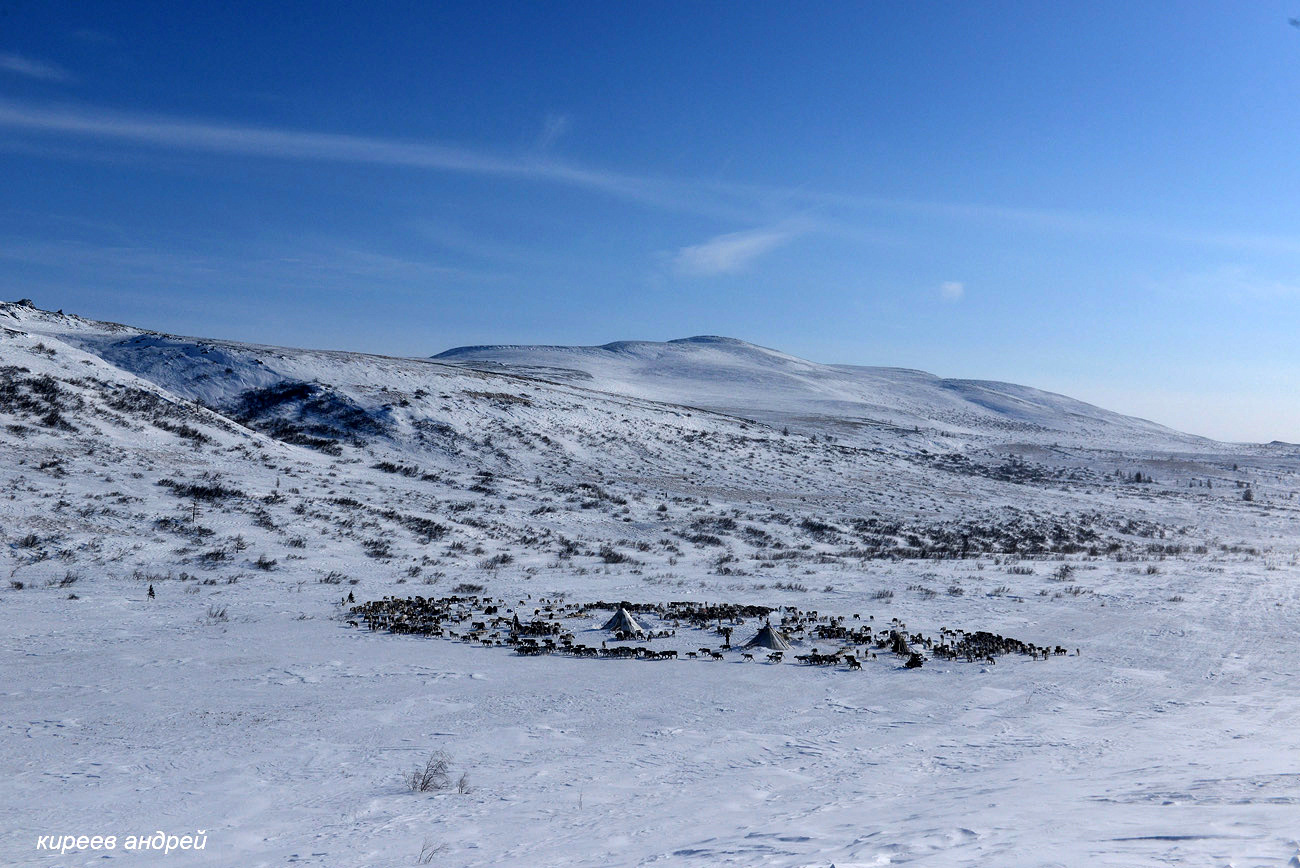
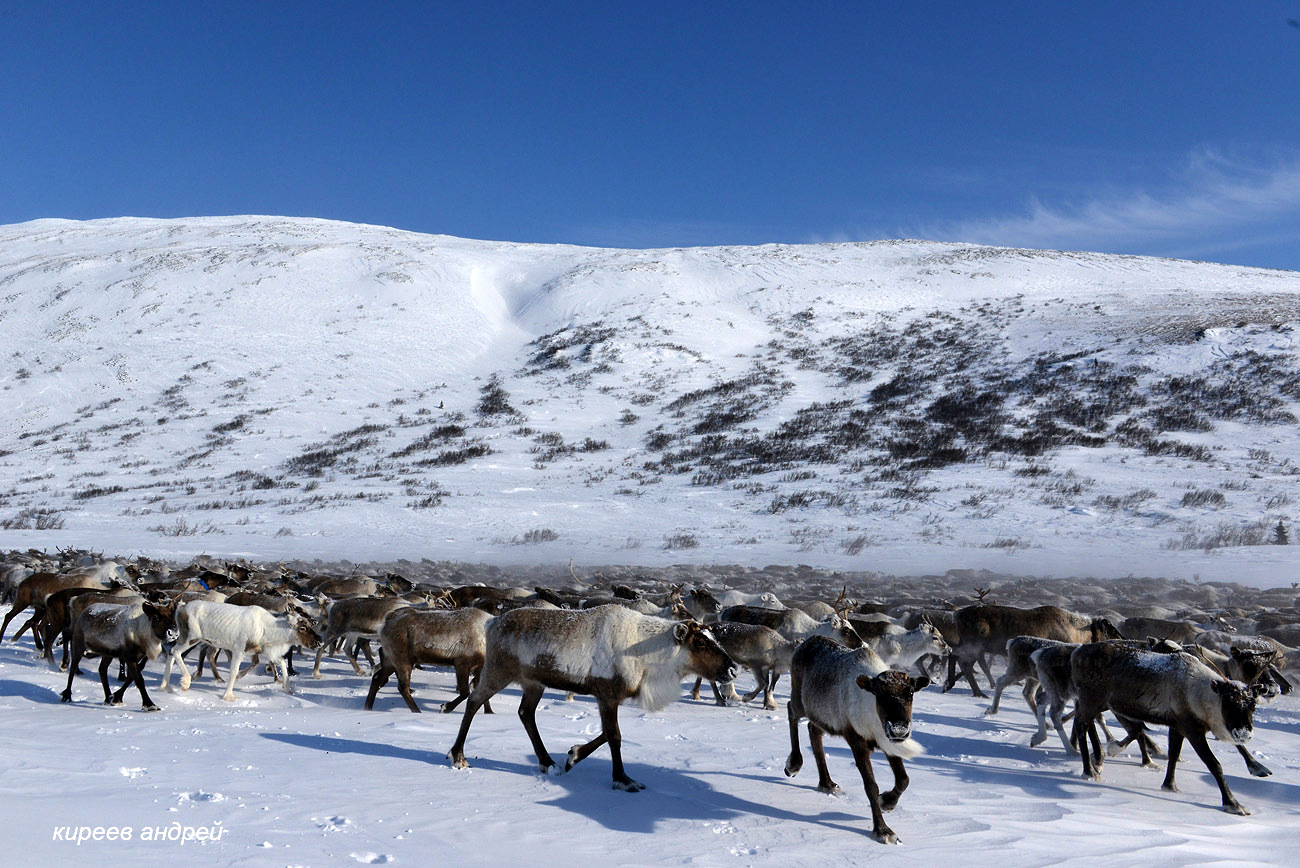

In Yamal, reindeer herding has survived in the same form it did thousands of years ago: Nenets herders migrate hundreds of kilometers, preserving their traditional way of life and distinctive culture.
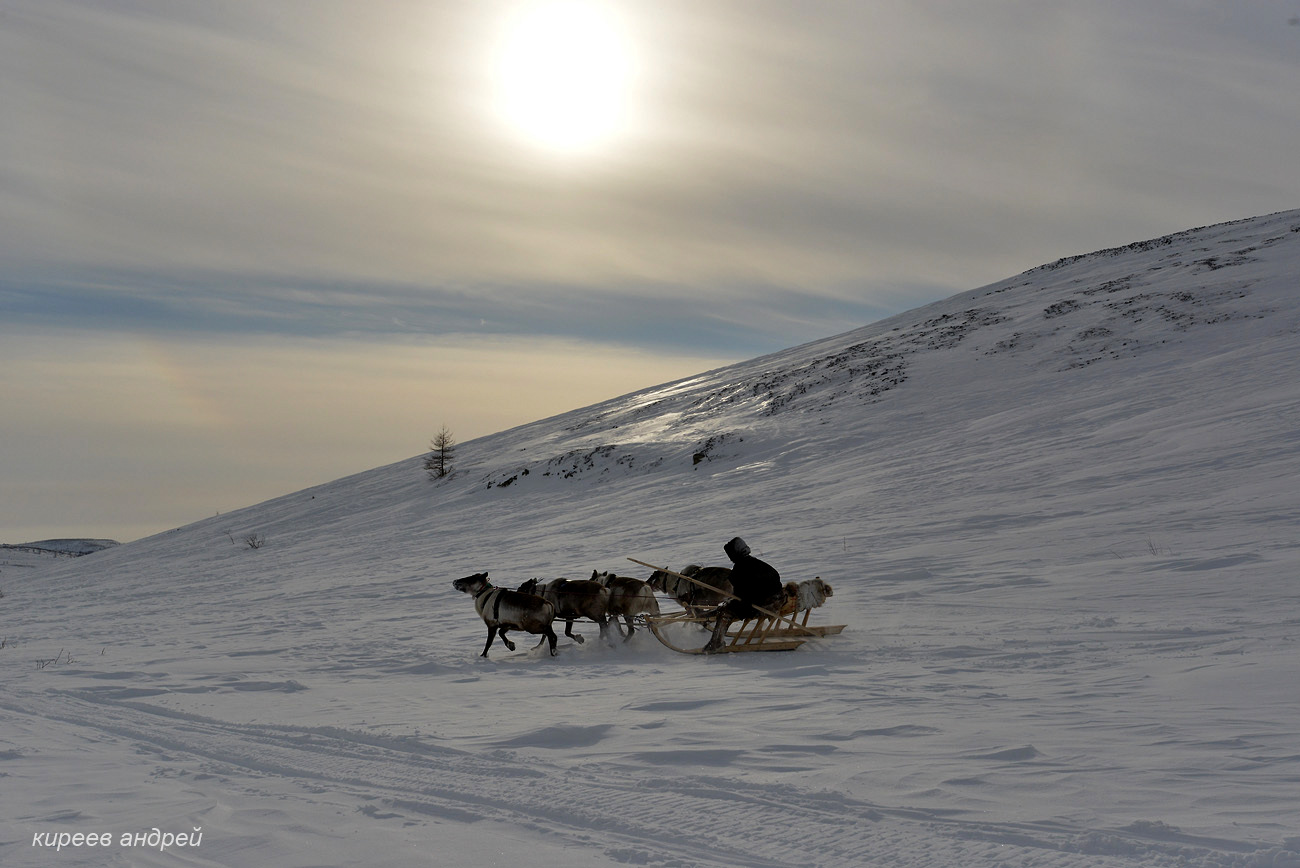
Reindeer provided the Nenets with almost everything they needed to survive: meat, skins for clothing, bones and antlers for making jewelry, medicines, and various tools.


Tags: Tyumen oblast · Yamalo-Nenets okrug





<< How Tax Hikes Are Affecting Russia’s Betting and Casinos