
20
The Submarine Fleet of the Russian Empire
No comments · Posted by Sergei Rzhevsky in History, Photos, Technology
During the Soviet era, a widespread myth circulated that Russia (the Russian Empire) before 1917 was a backward peasant country without developed industry or technology. However, the situation was not so clear-cut, and here is one example.
Russia was one of the first in the world to begin developing a submarine fleet. On March 19, 1906, by decree of Emperor Nicholas II, the Russian Navy received a new type of weapon – military submarines. By August 1914, the fleet had approximately 15-22 combat-ready submarines. By 1916-1917, the total number reached about 50-60 units (including those under construction).
An AG-class submarine on one of the Baltic Shipyard’s piers.
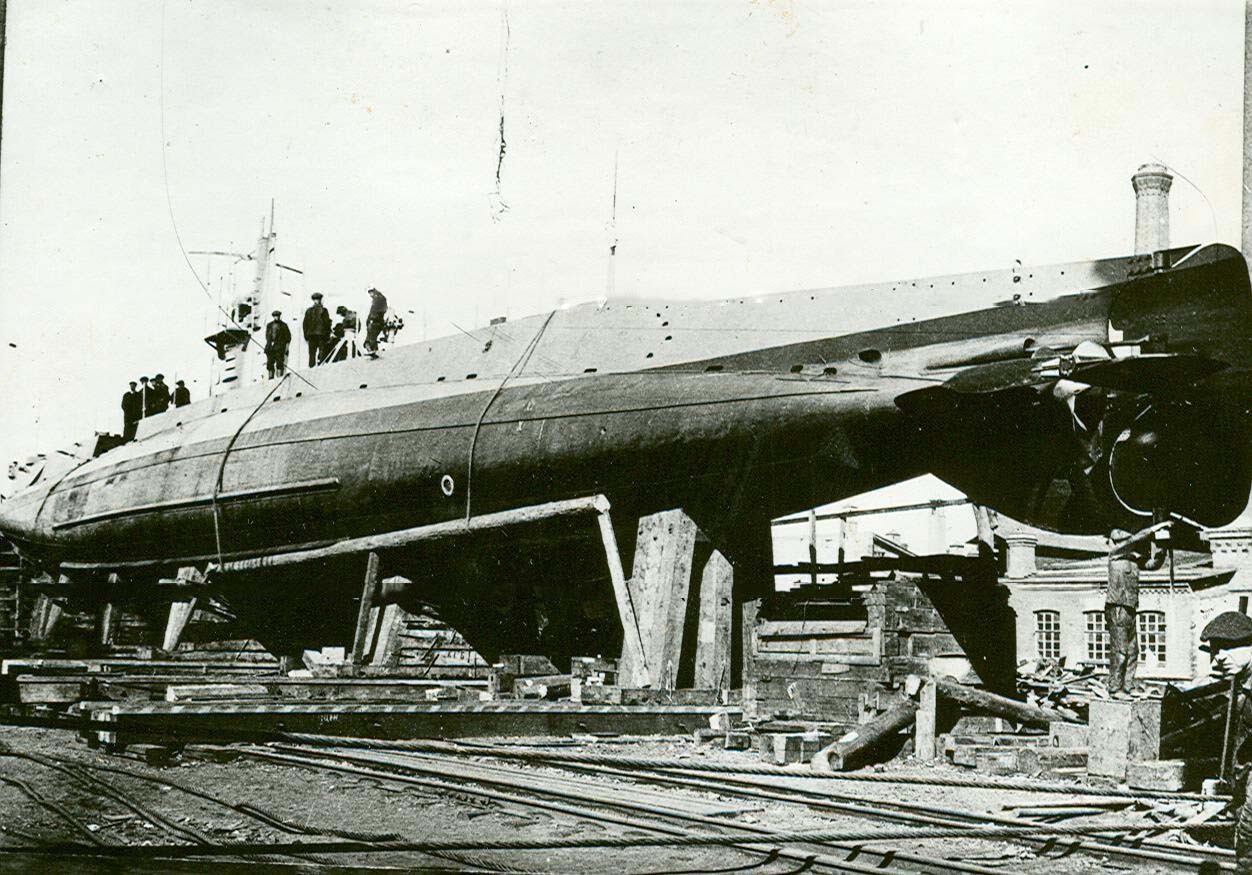
They were actively used in the First World War, but without much success, and this is not surprising, since this was only the beginning of a new type of combat – submarine warfare.
Today, March 19 is celebrated in Russia as a professional holiday – Submariner’s Day. Photos by: humus
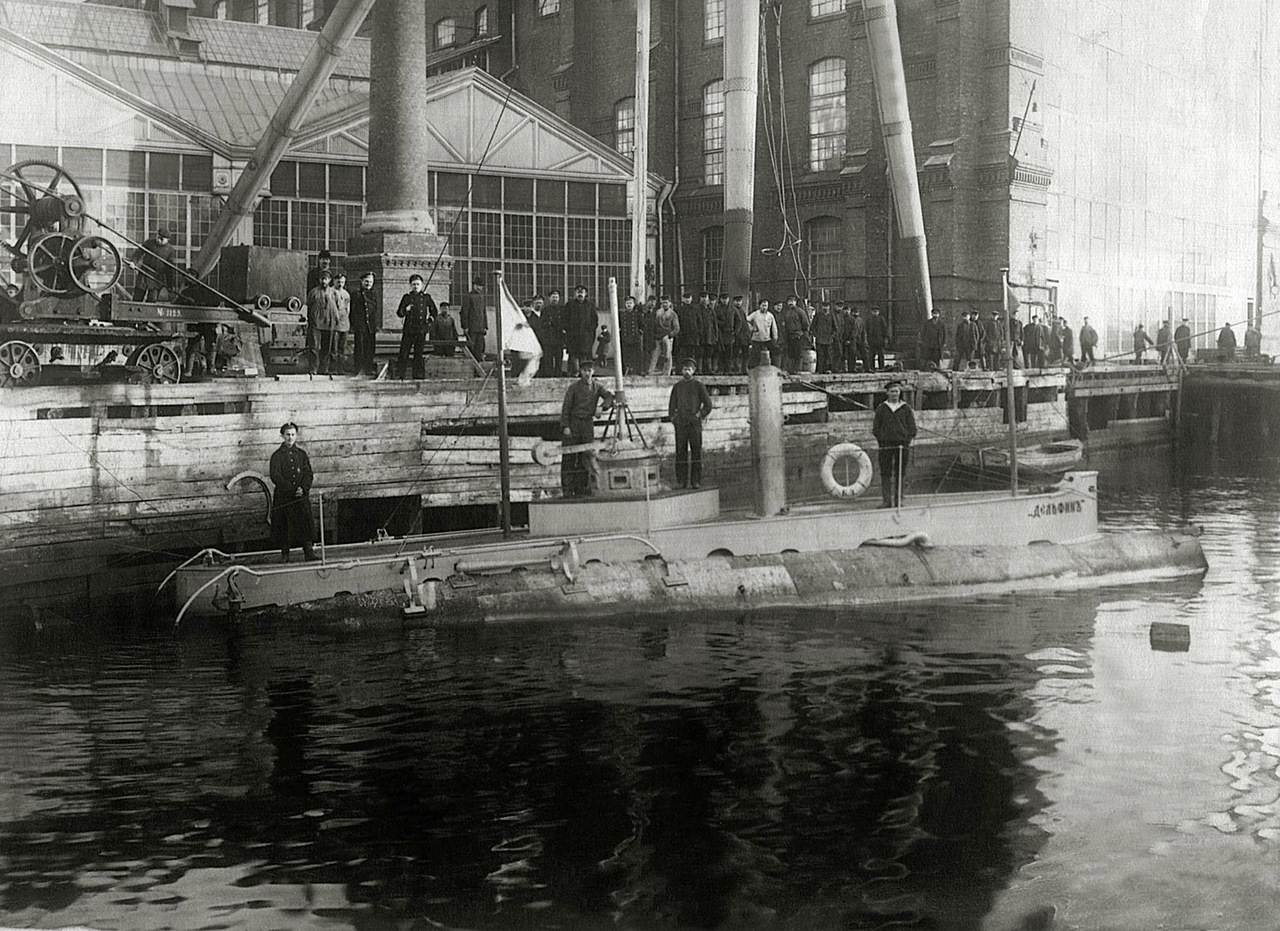
Submarine “Dolphin” (1904).
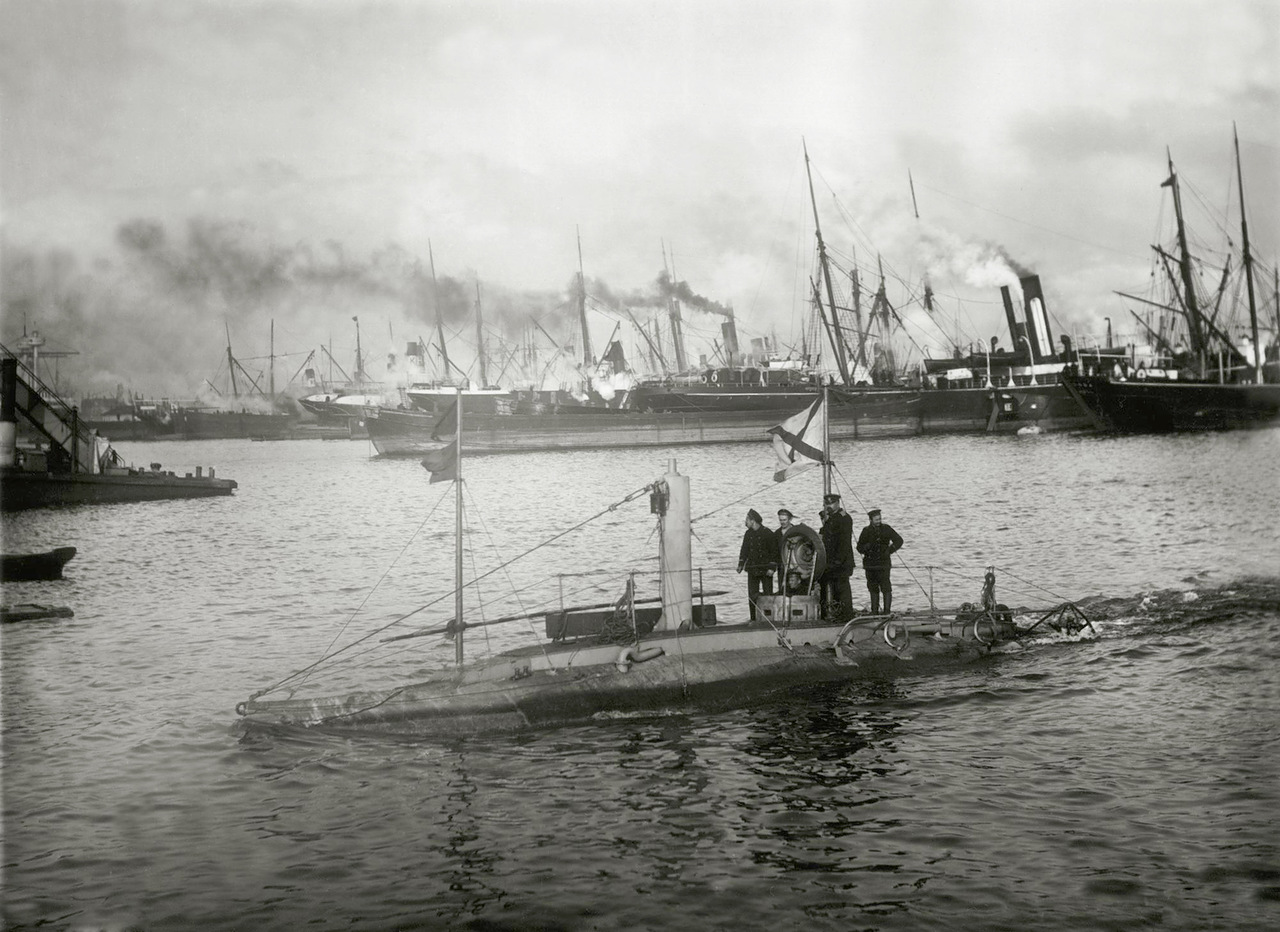
Submarines were used in both the Baltic and Black Sea theatres of military operations.
Submarine “Akula” (“Shark”).
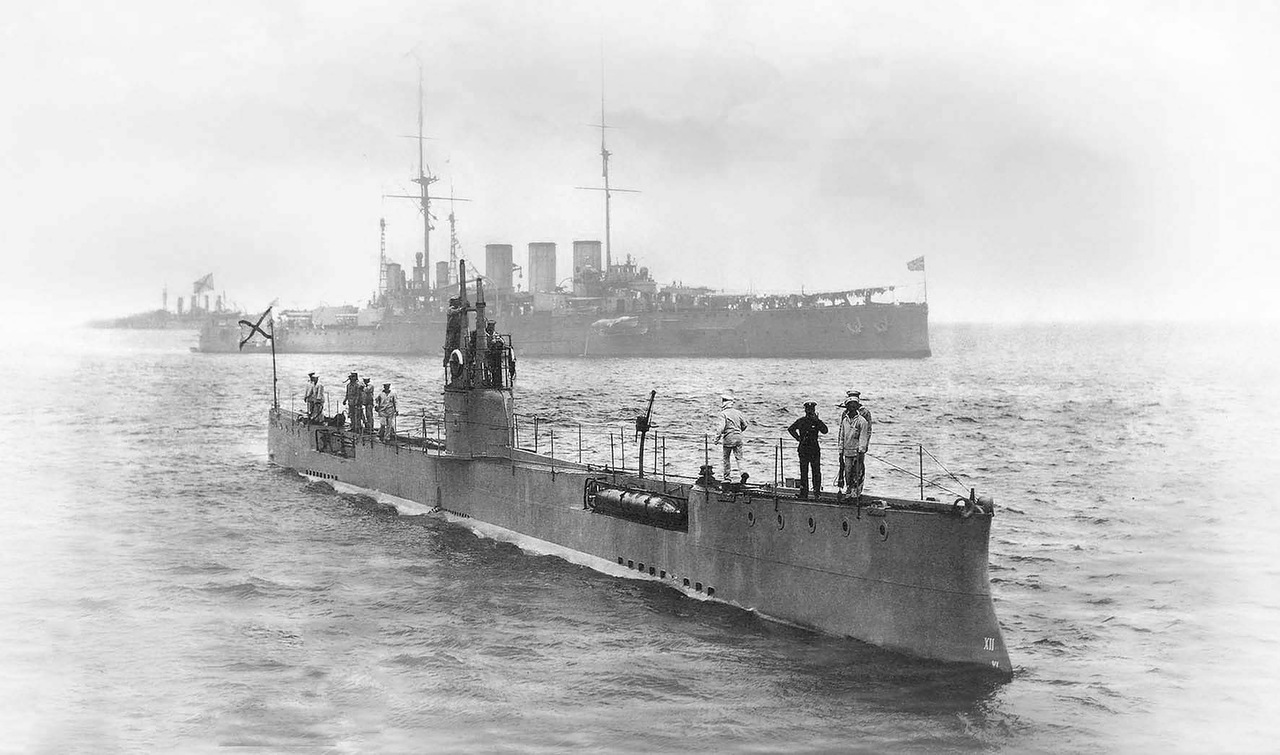
The main mission in the Baltic was to defend the Gulf of Finland, disrupt German shipping (including iron ore from Sweden), and conduct reconnaissance. The submarines operated off the German coast and minefields. Initial attacks (such as the “Akula” attacks) were not very successful due to problems with torpedoes and tactics. Later, their effectiveness increased.
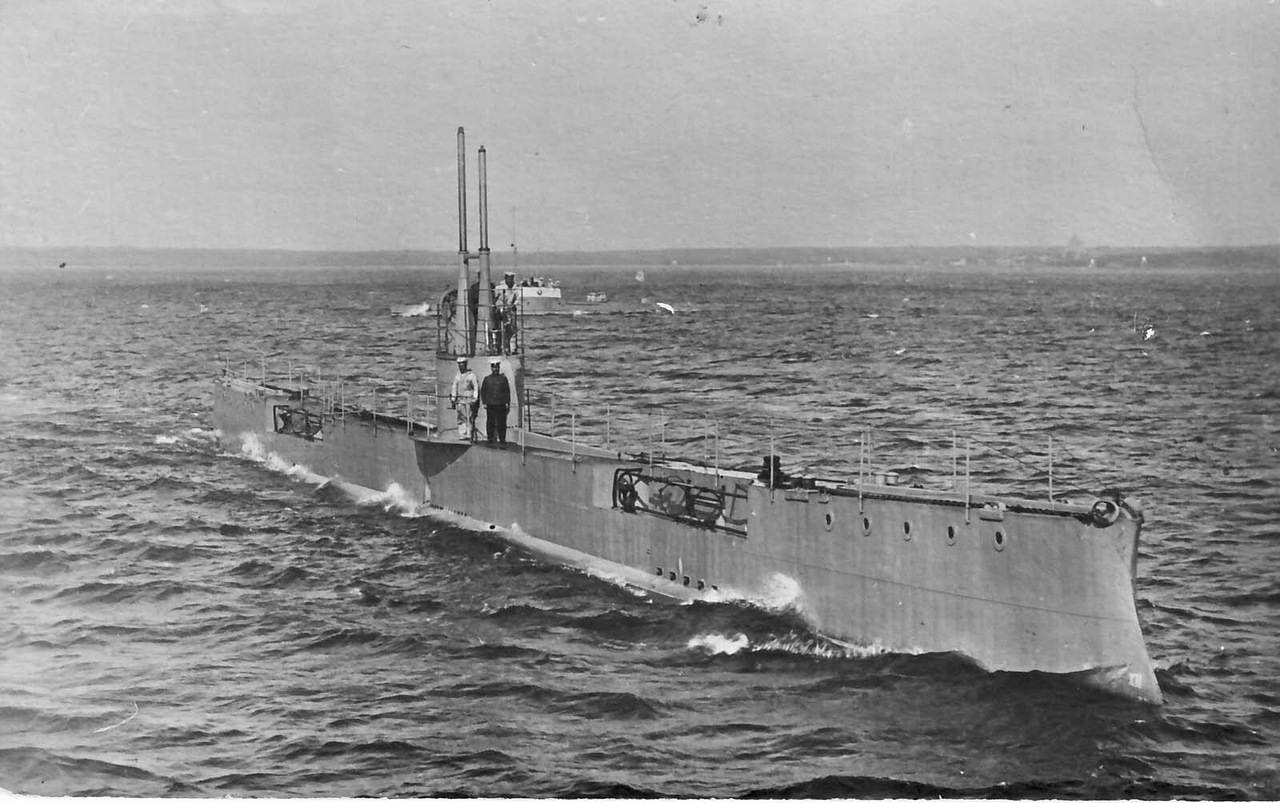
Submarine “Lvitsa” (“Lioness”).
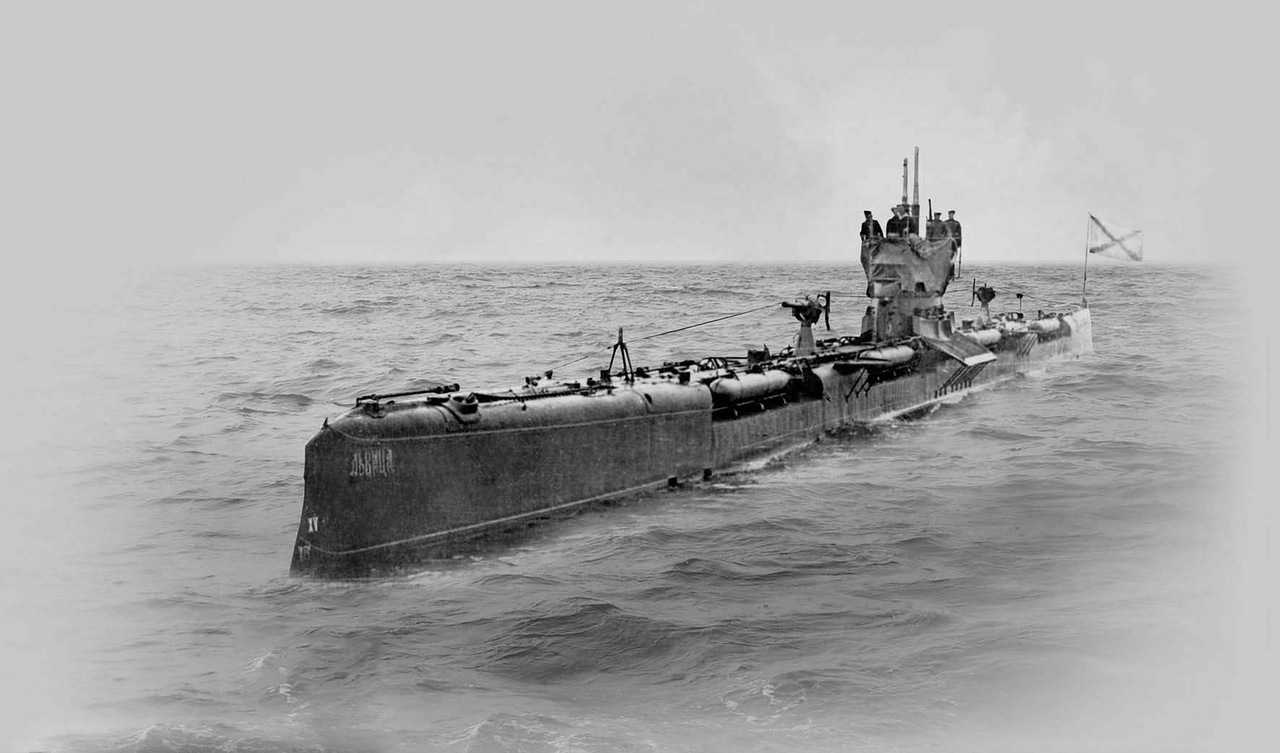
An “AG” class submarine.
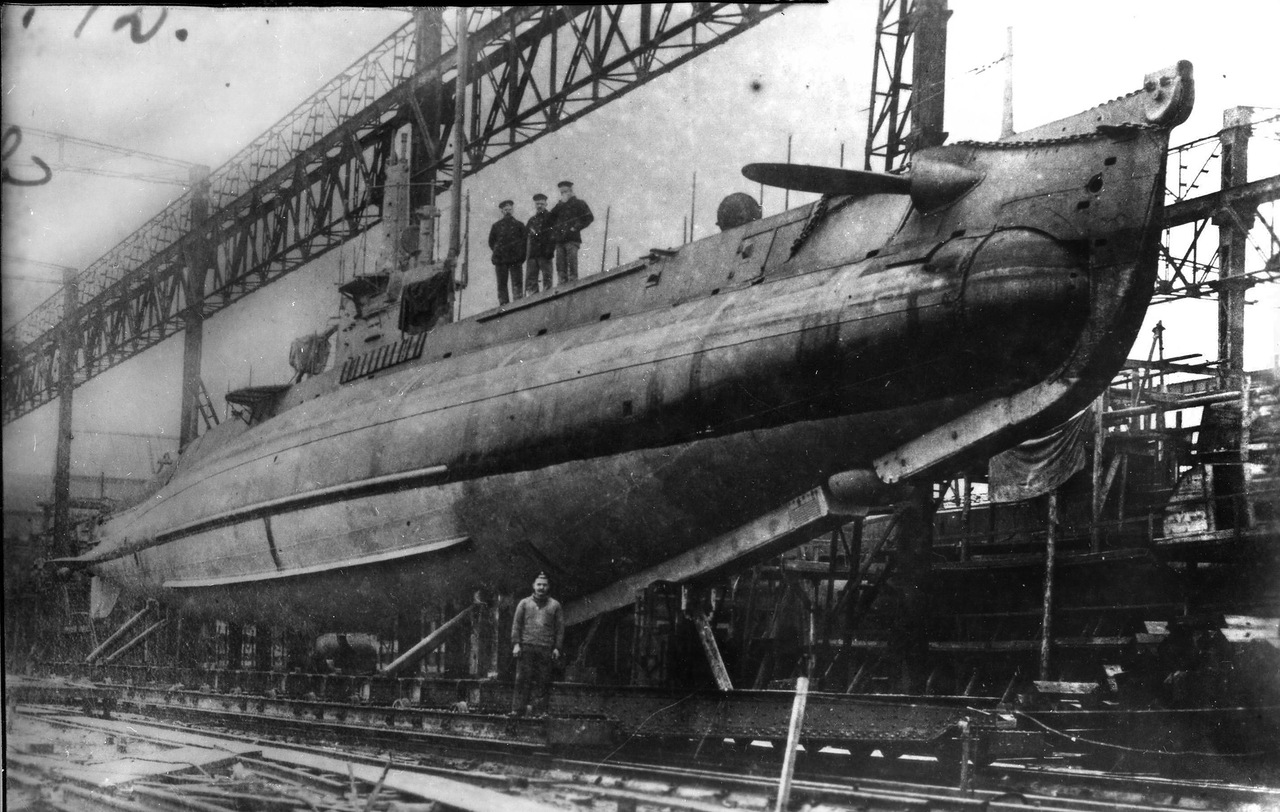
Submarine “Alligator”.
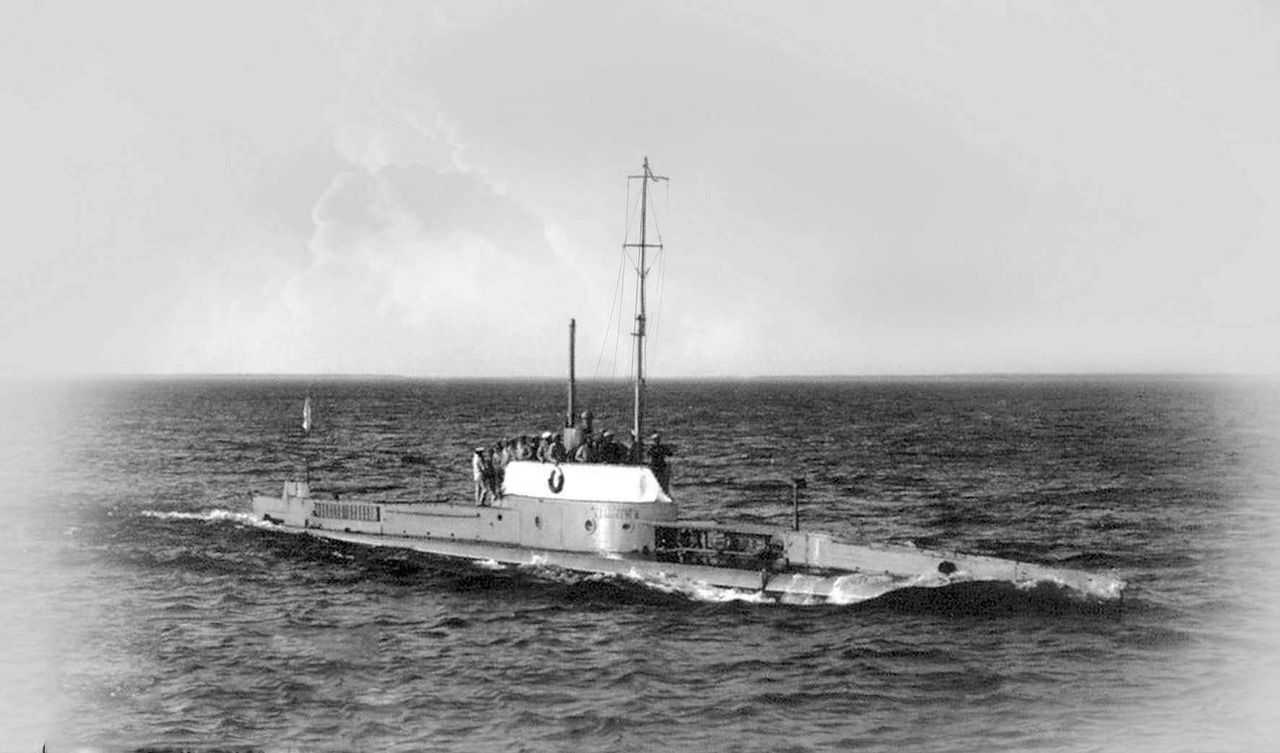
Submarine “Pantera” (“Panther”).
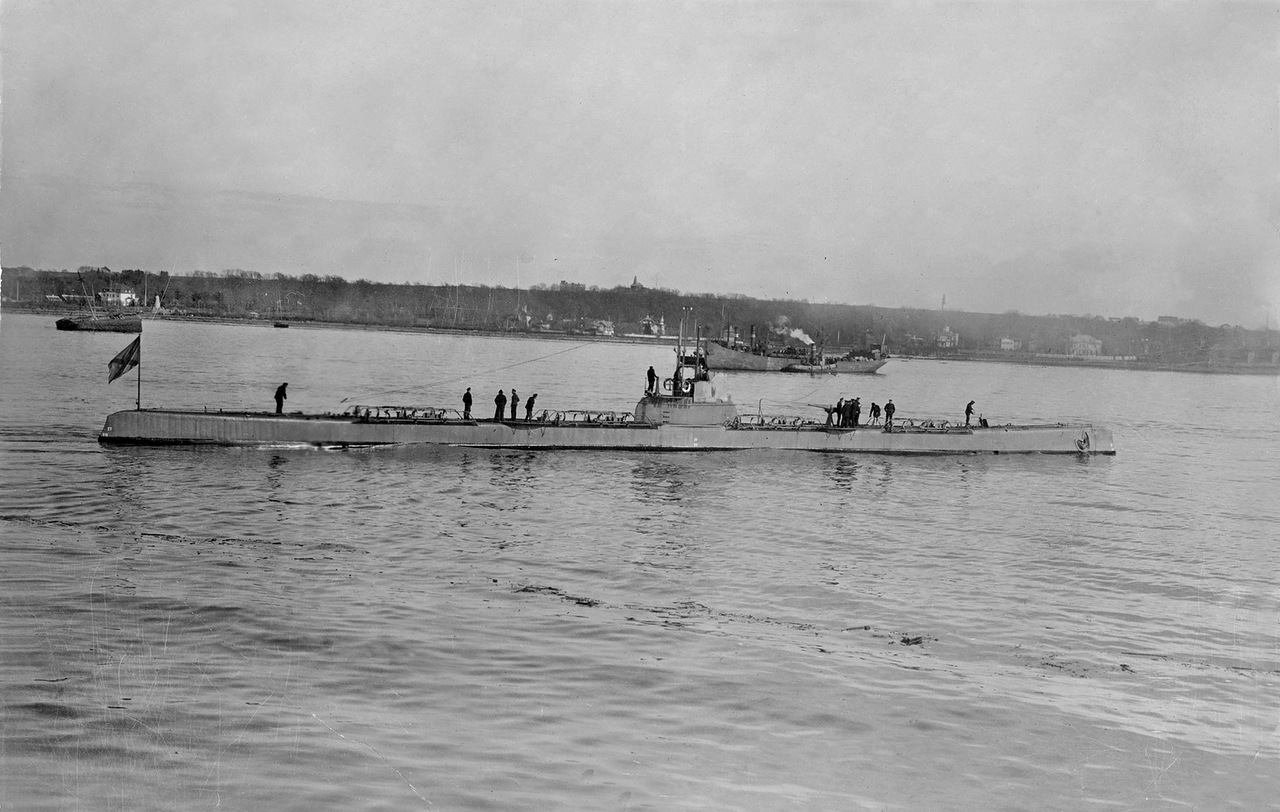
Submarine “Rys'” (“Lynx”).
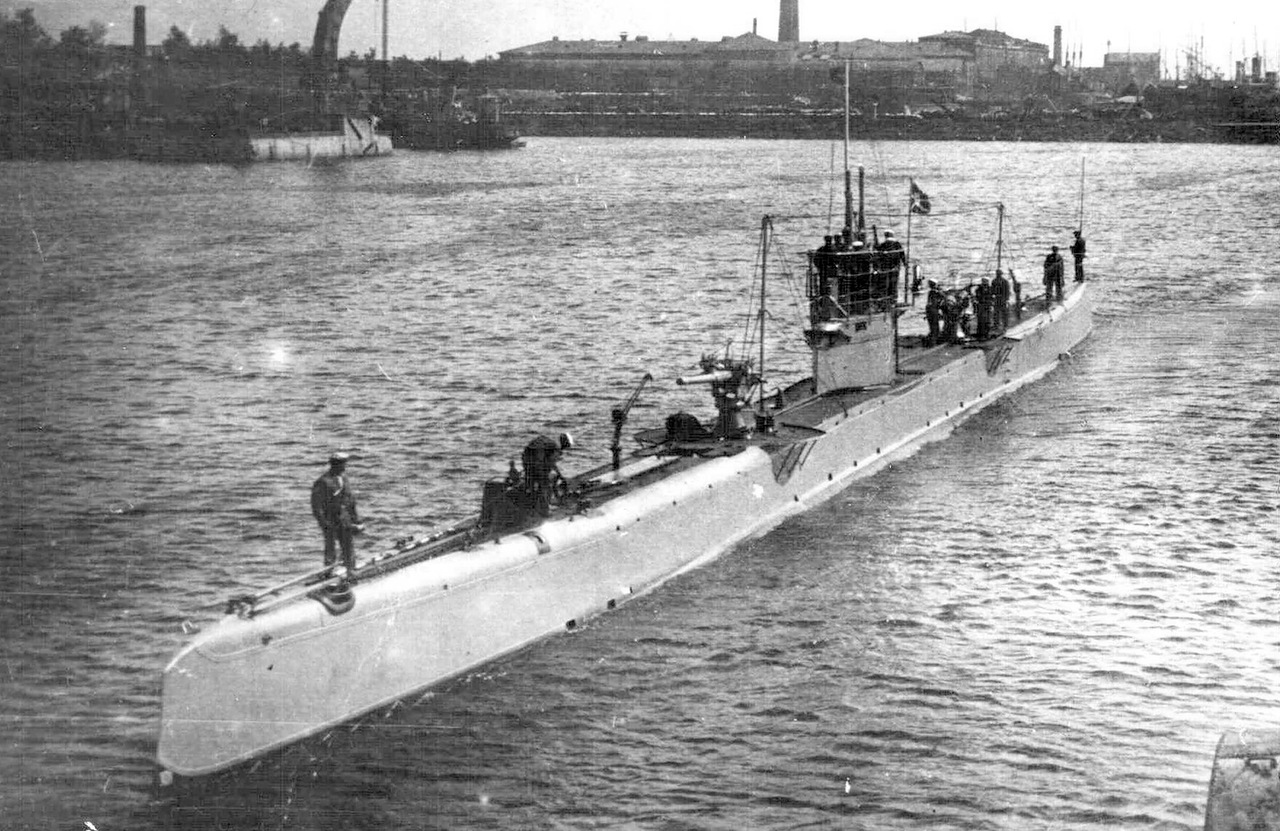
Submarine “Morzh” (“Walrus”).
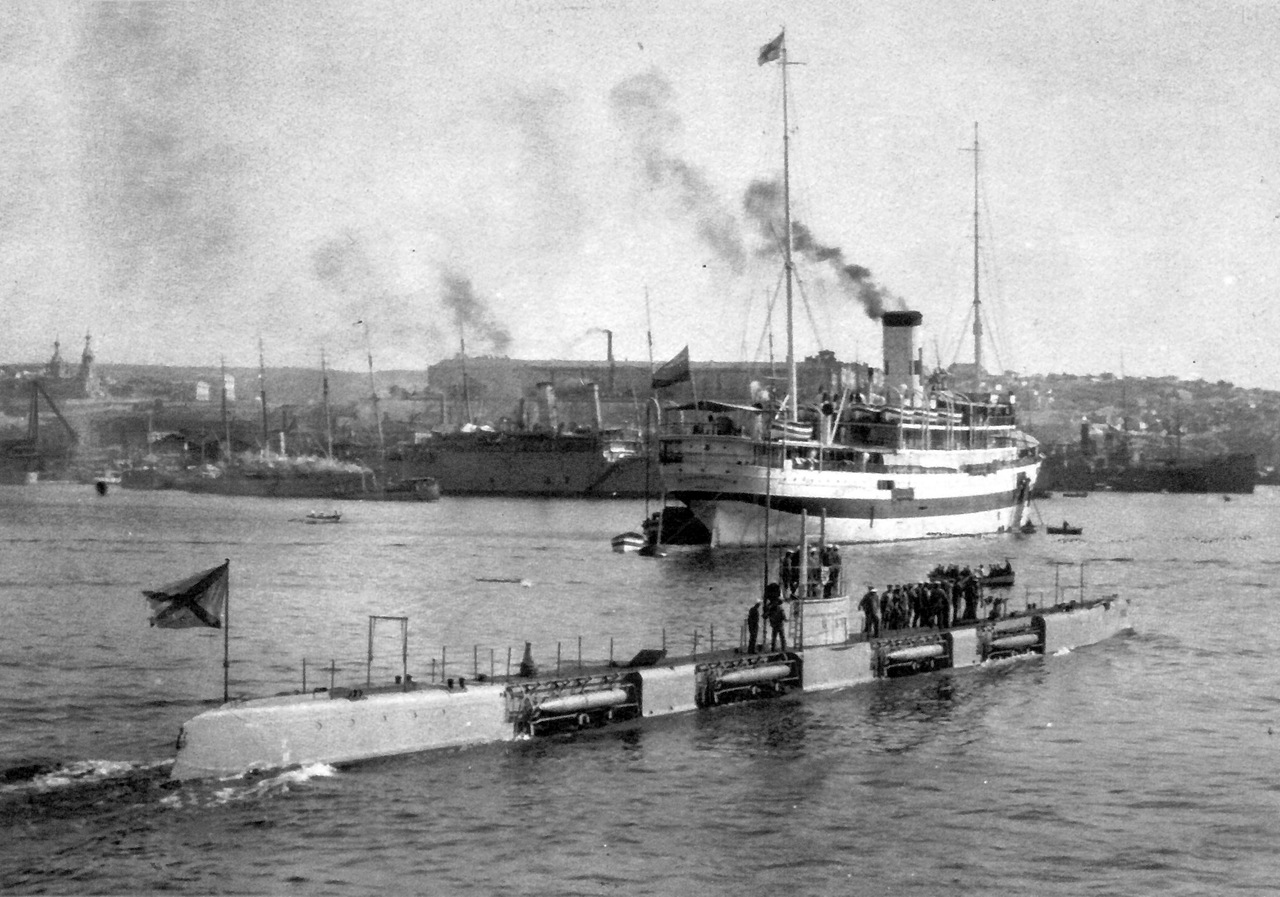
In the Black Sea, they engaged Turkish and German shipping (coal and supplies). Russian submarines (“Tyulen”, “Morzh”, and others) actively sank transports. “Krab” laid mines near the Bosphorus.
Submarine “Sudak” (“Pike Perch”).
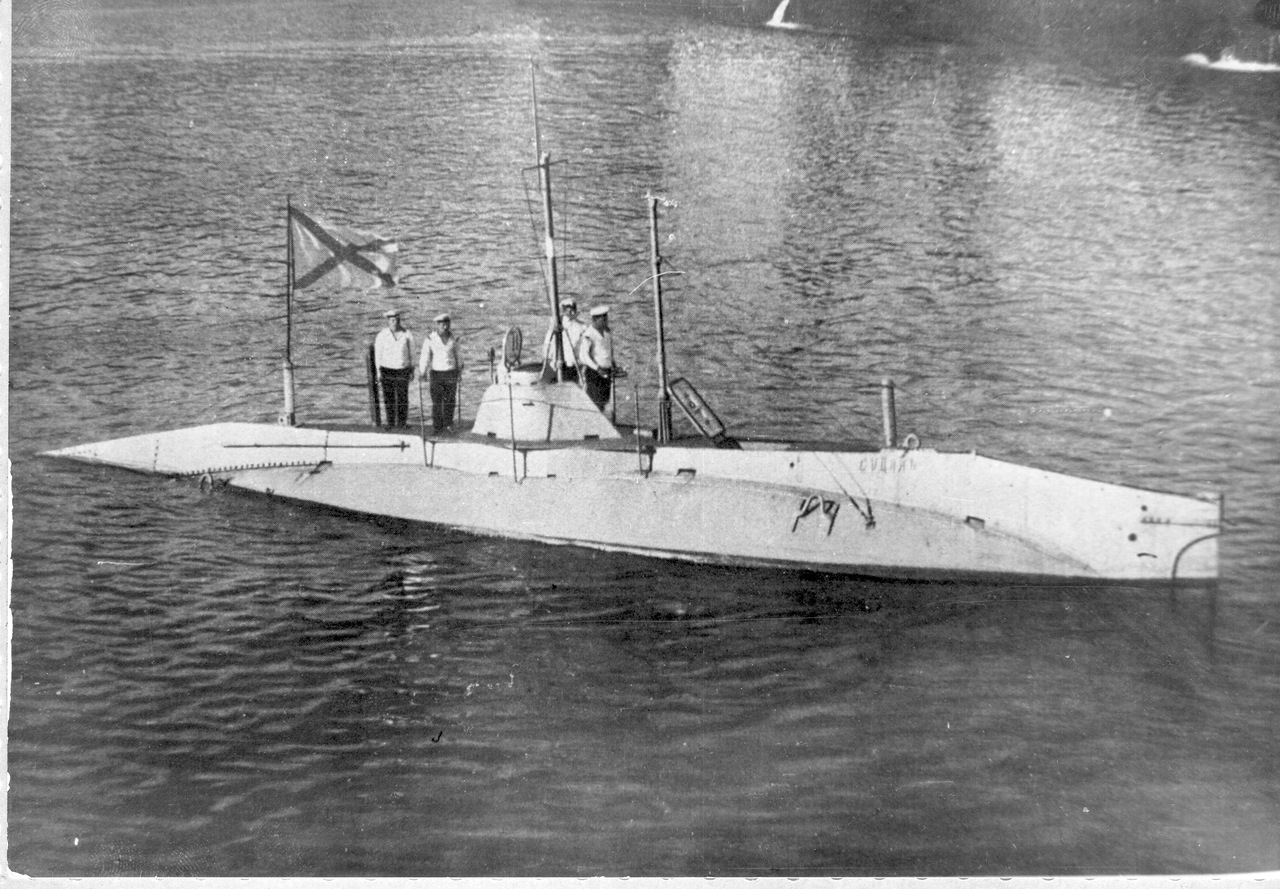
Submarine “Krab” (“Crab”) – the world’s first underwater minelayer.
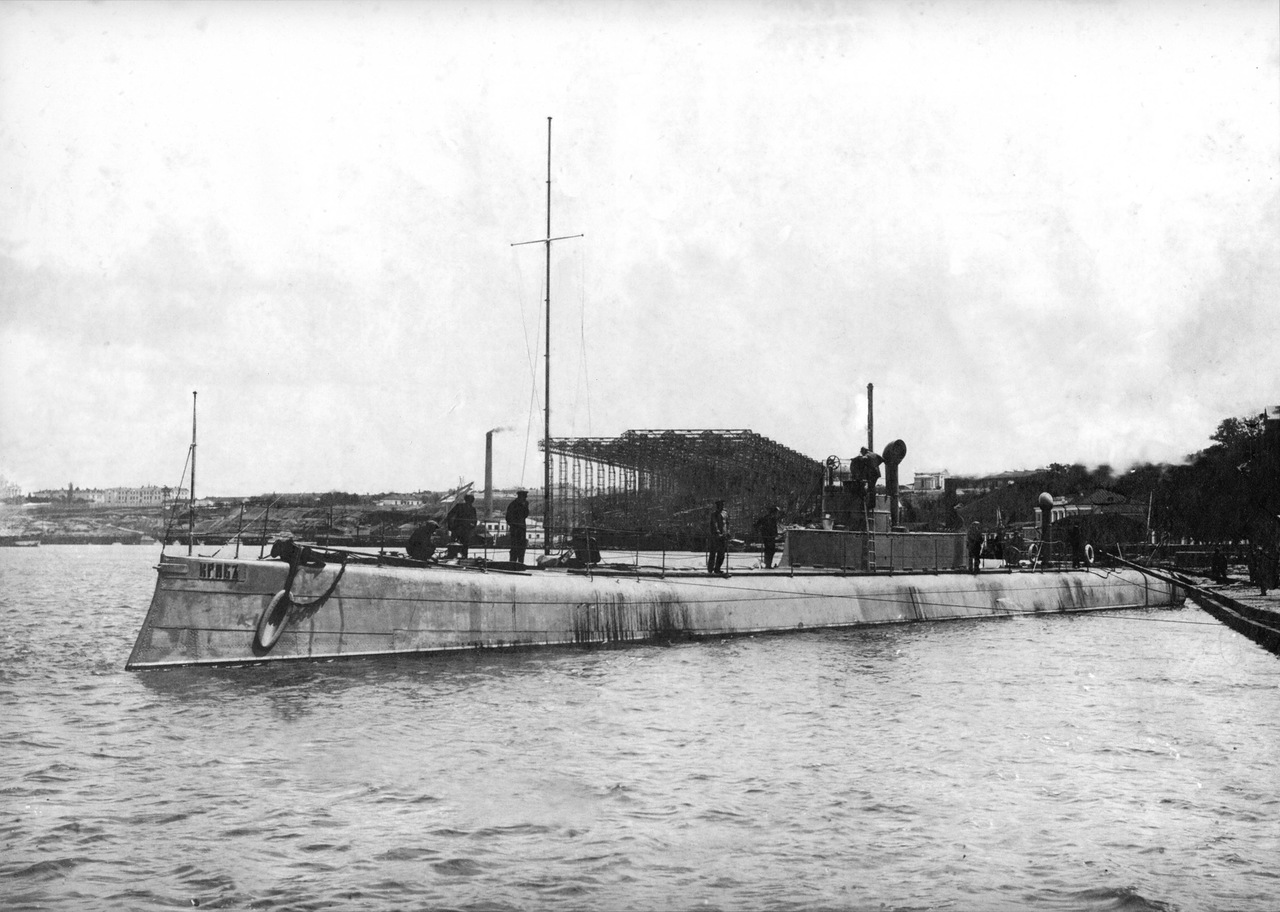
Submarine “Narwhal”.

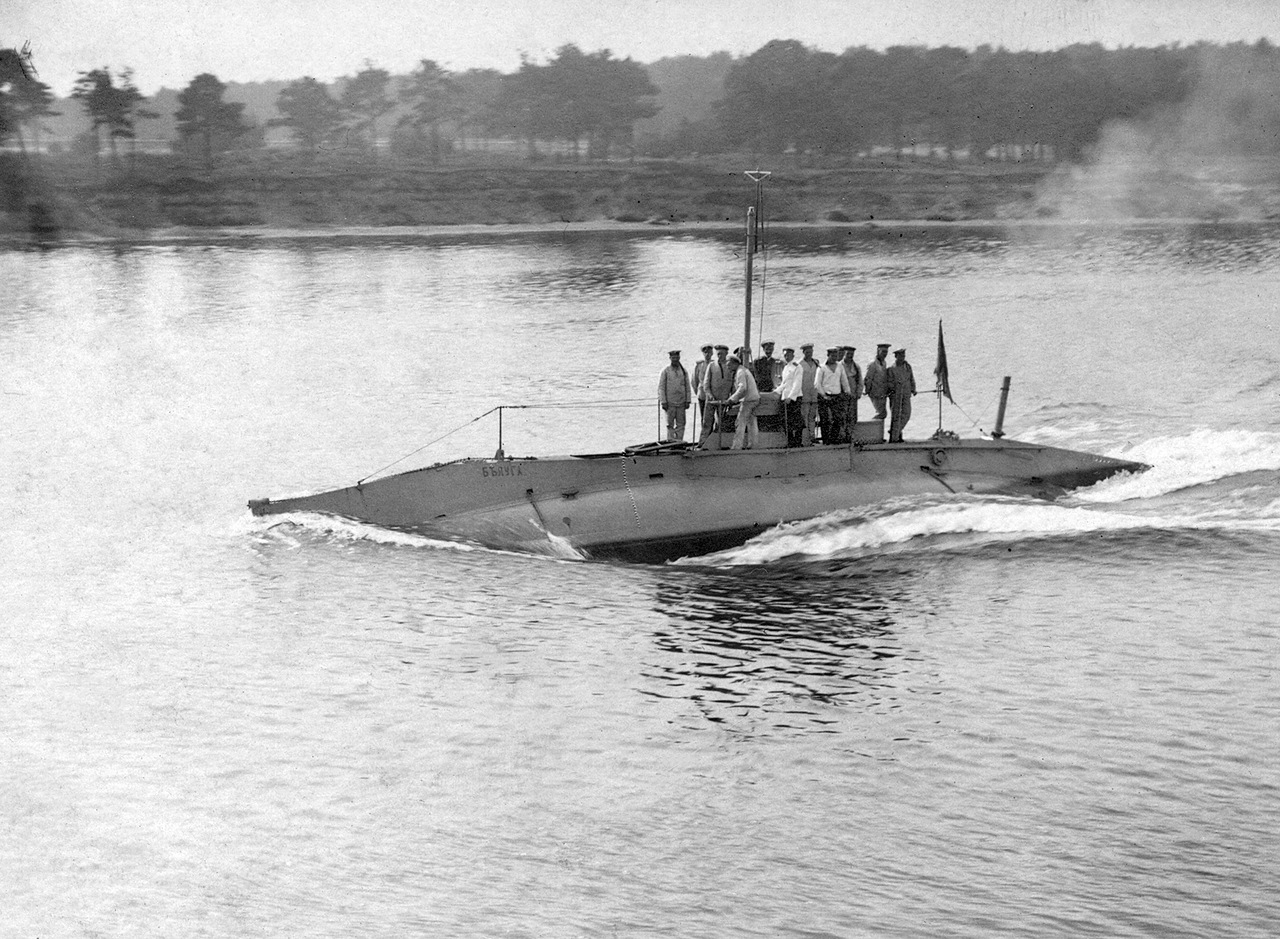
Submarine “Beluga”.
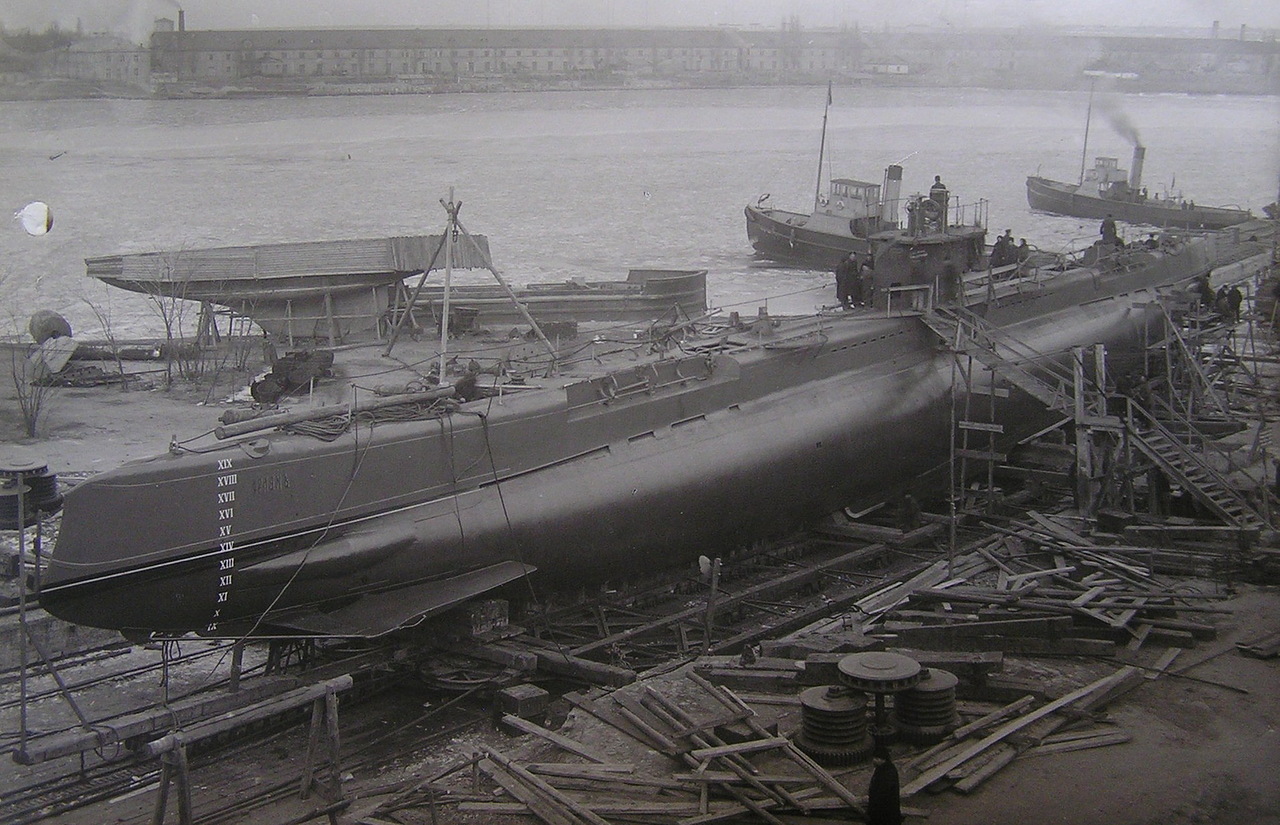
Submarine “Orlan” (“Eagle”) (1917).
Russian submarines did not achieve the same strategic effect as German U-boats, but they contributed to the blockade of enemy communications, conducted dozens of campaigns, sank/damaged transports, and laid mines.
Many submarines were lost during the war or were sunk/captured in 1917-1918 after the revolution and the Brest Peace.
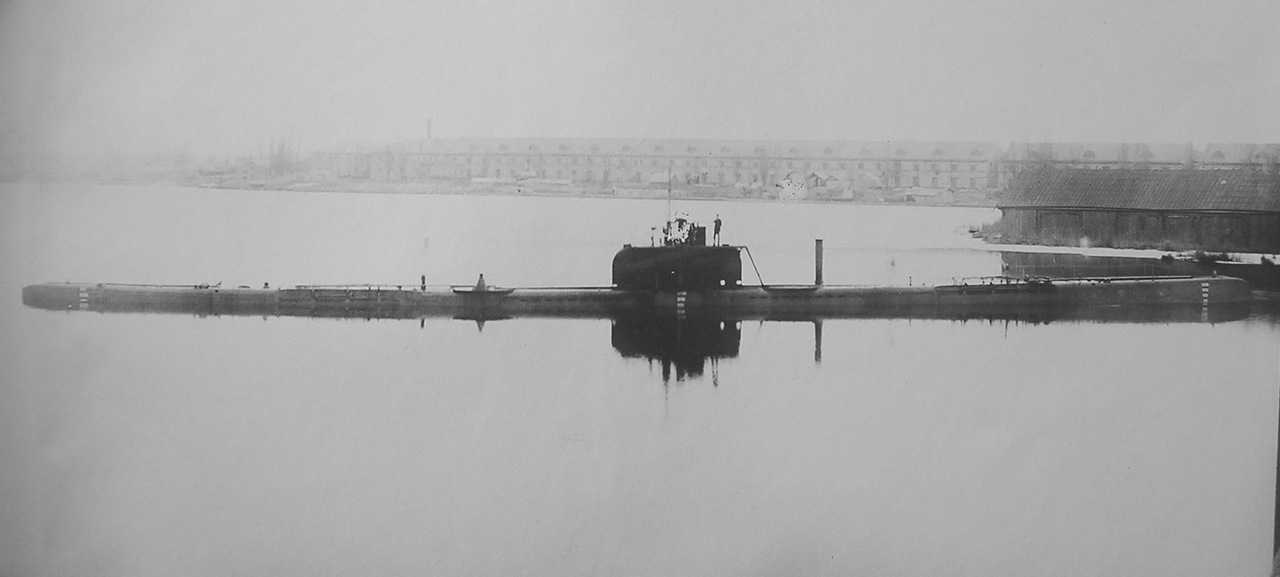
Submarines “Volk” (“Wolf”) and “Bars” (“Leopard”).
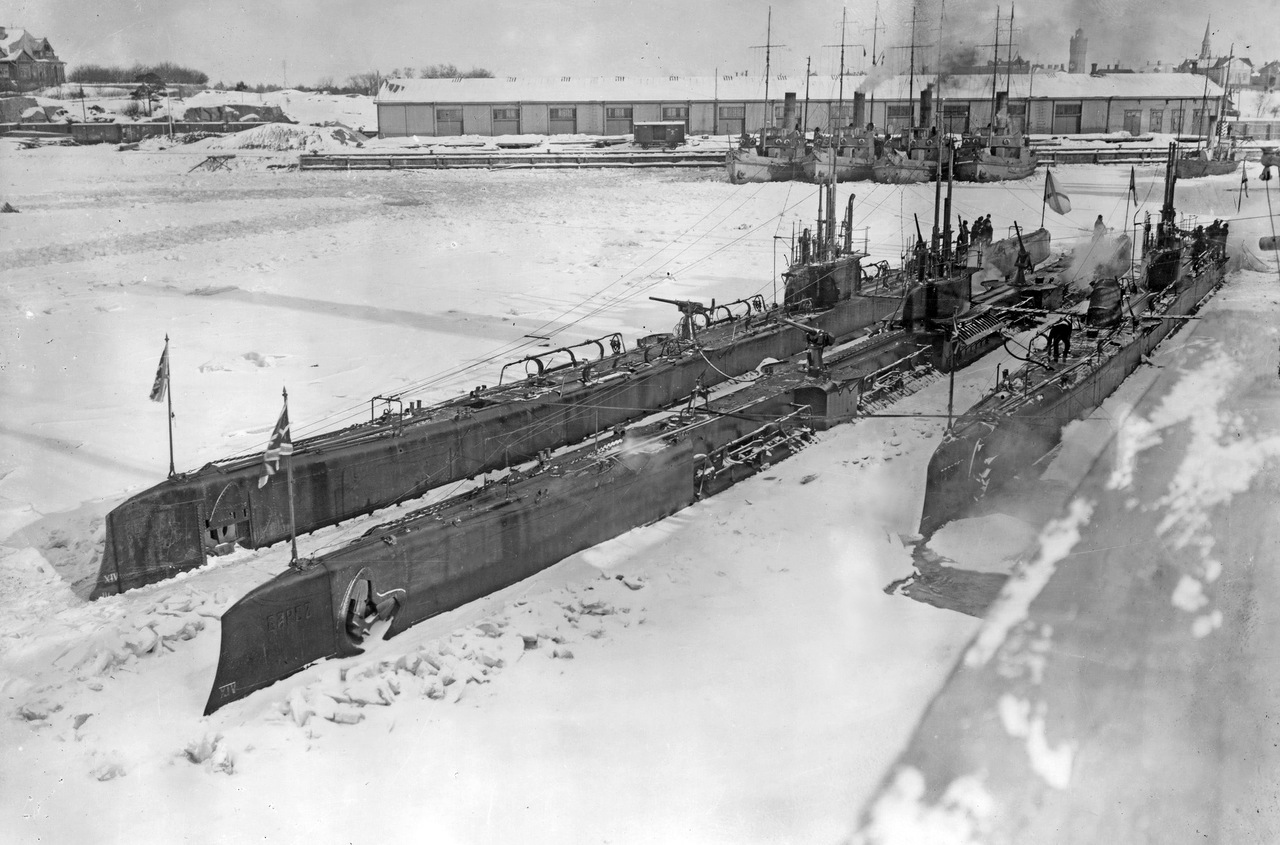
Submarine “Osyotr” (“Sturgeon”).
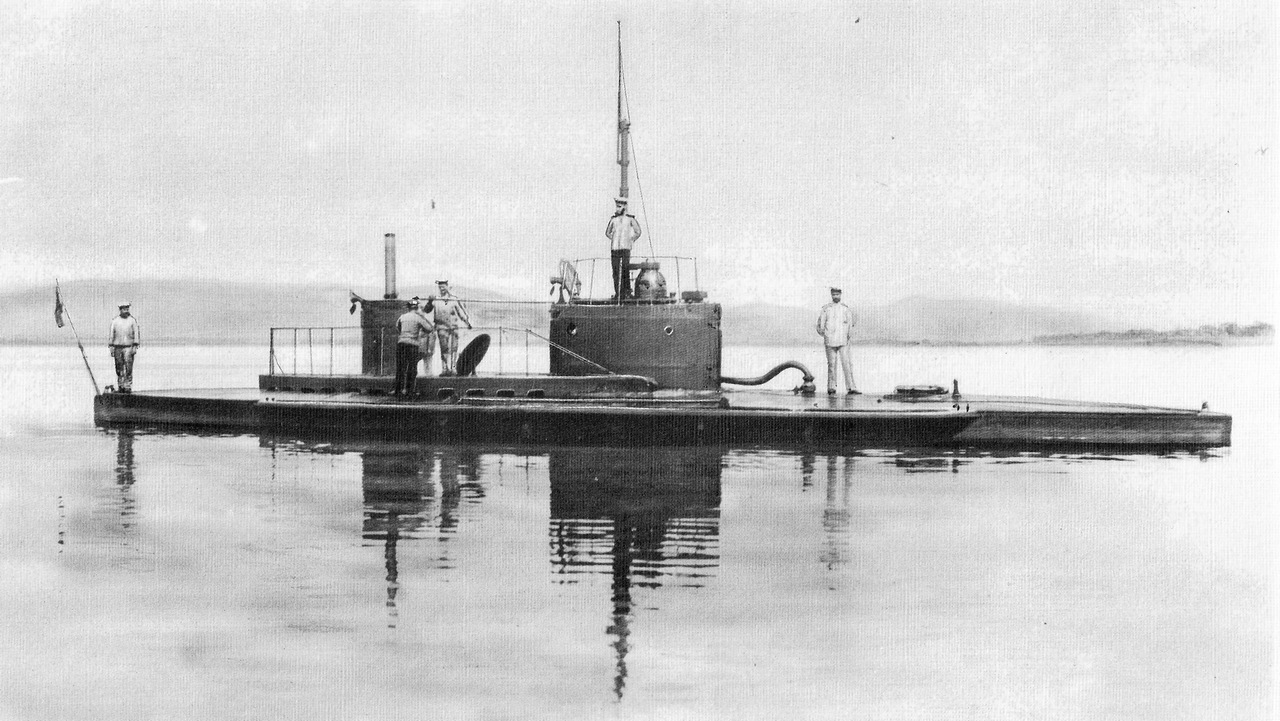
Submarine “Dragon”.
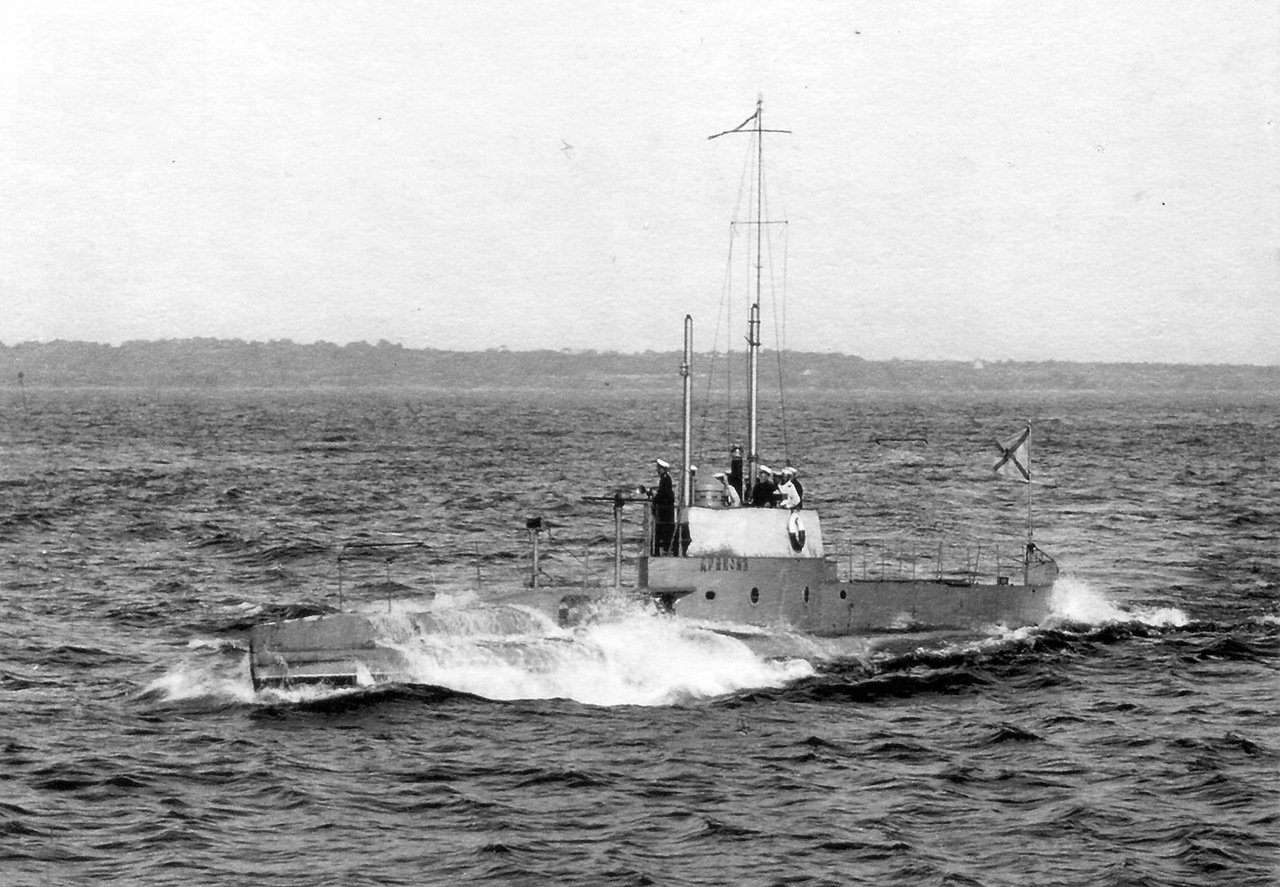

Tags: Russian Empire
You might also like:
 Rare Pictures of Family Life of the Last Russian Emperor
 People of the Russian Empire in the 1850s-1870s – Part 2
 Russian submarine “Som” found off the coast of Sweden
 The Movie Posters in Russia in 1914-1918
 Color photos of Suzdal in 1912
 Russian Civilian and Military Clothing in the 14th-18th Centuries
<< Posters from Stalin’s Soviet Union Luring Foreign Tourists