
9
People of the Early Soviet Era
No comments · Posted by Sergei Rzhevsky in Art, History, People
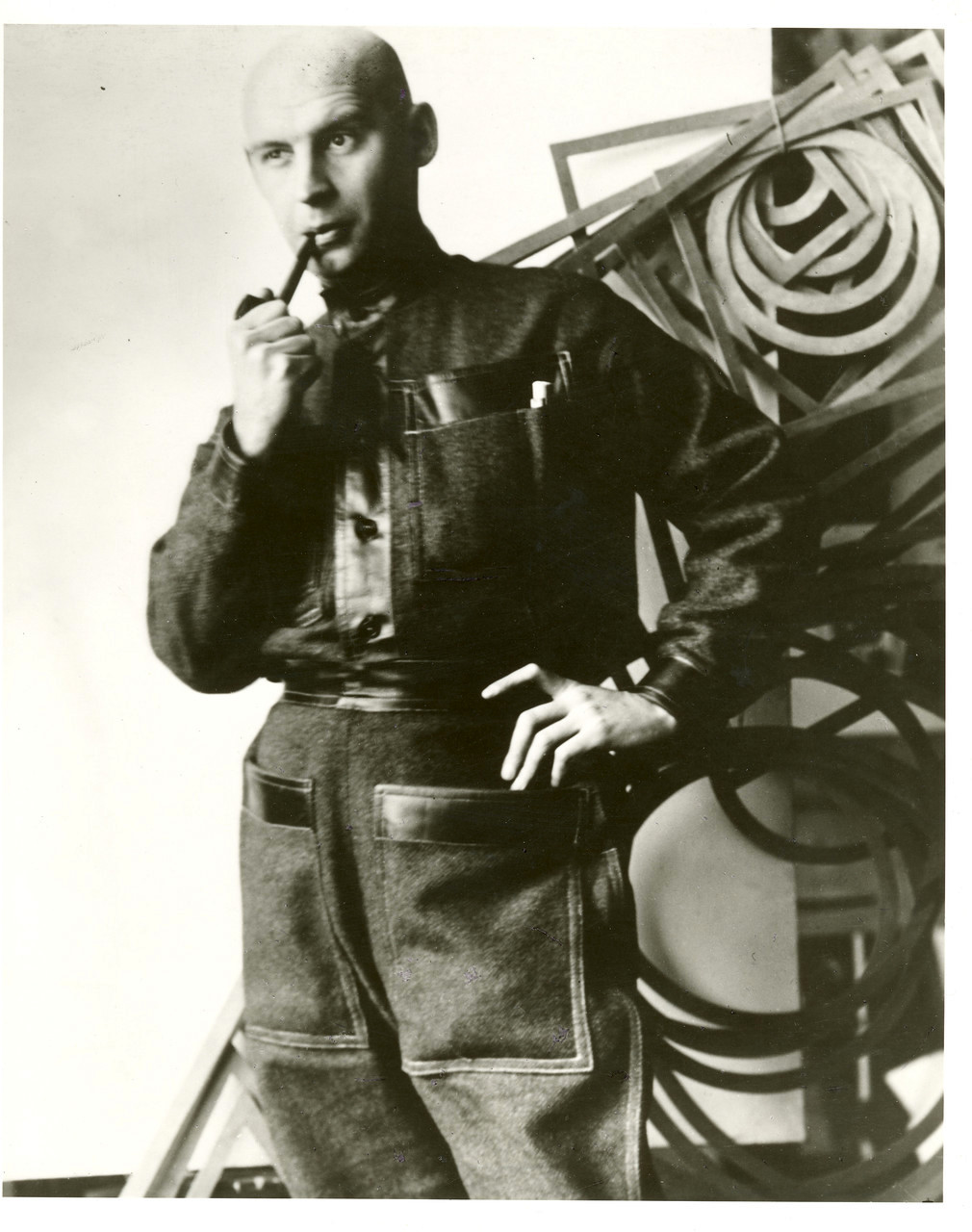
Alexander Mikhailovich Rodchenko (1891-1956) was a Russian and Soviet painter, graphic artist, poster artist, sculptor, photographer, theater and film designer, and correspondent. He was one of the founders of constructivism and a pioneer of design and advertising in the USSR.
Rodchenko is perhaps the most famous Russian photographer; almost everyone in Russia has seen at least a couple of his photographs. Let’s take a look at some of his works. Source: humus.
On the corner of Myasnitskaya Street in Moscow (1920s).
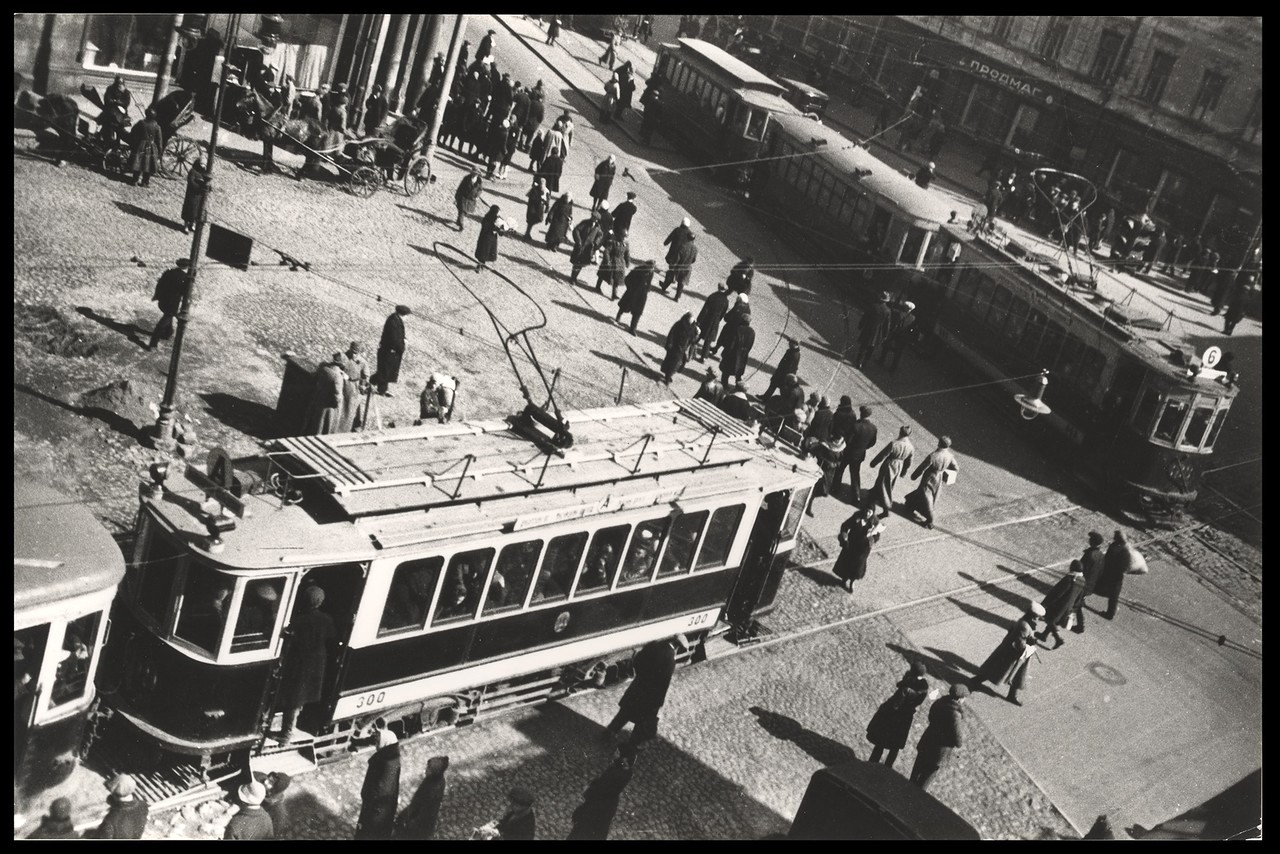
Rodchenko began photographing relatively late, already an established artist, illustrator, and teacher. He brought constructivist ideas to the new art form, using lines and planes to convey space and dynamics in photographs. Among these experiments, two important techniques stand out, pioneered by Rodchenko for global photography and still relevant today.
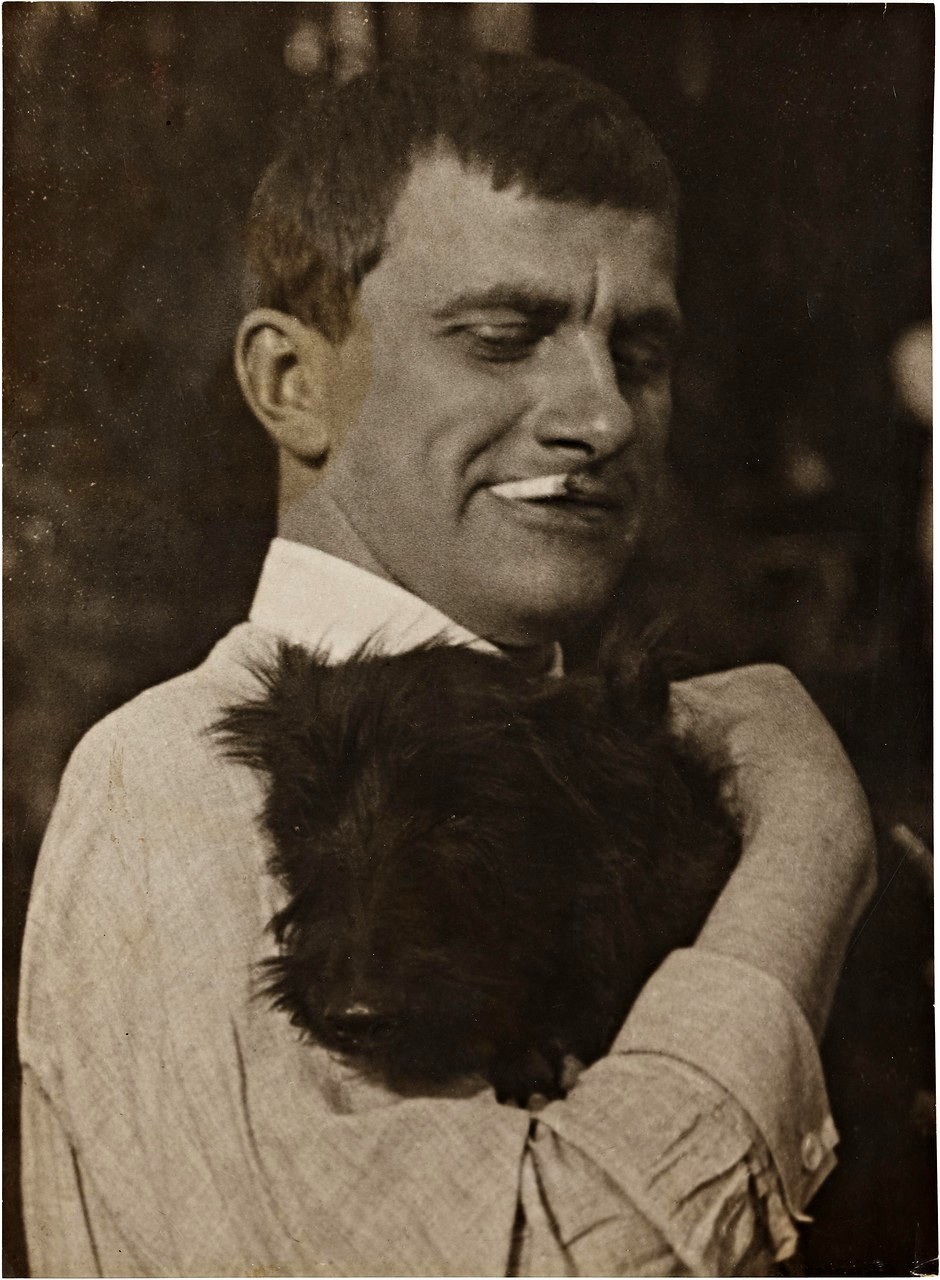
Poet Vladimir Mayakovsky with Scotty (1924).
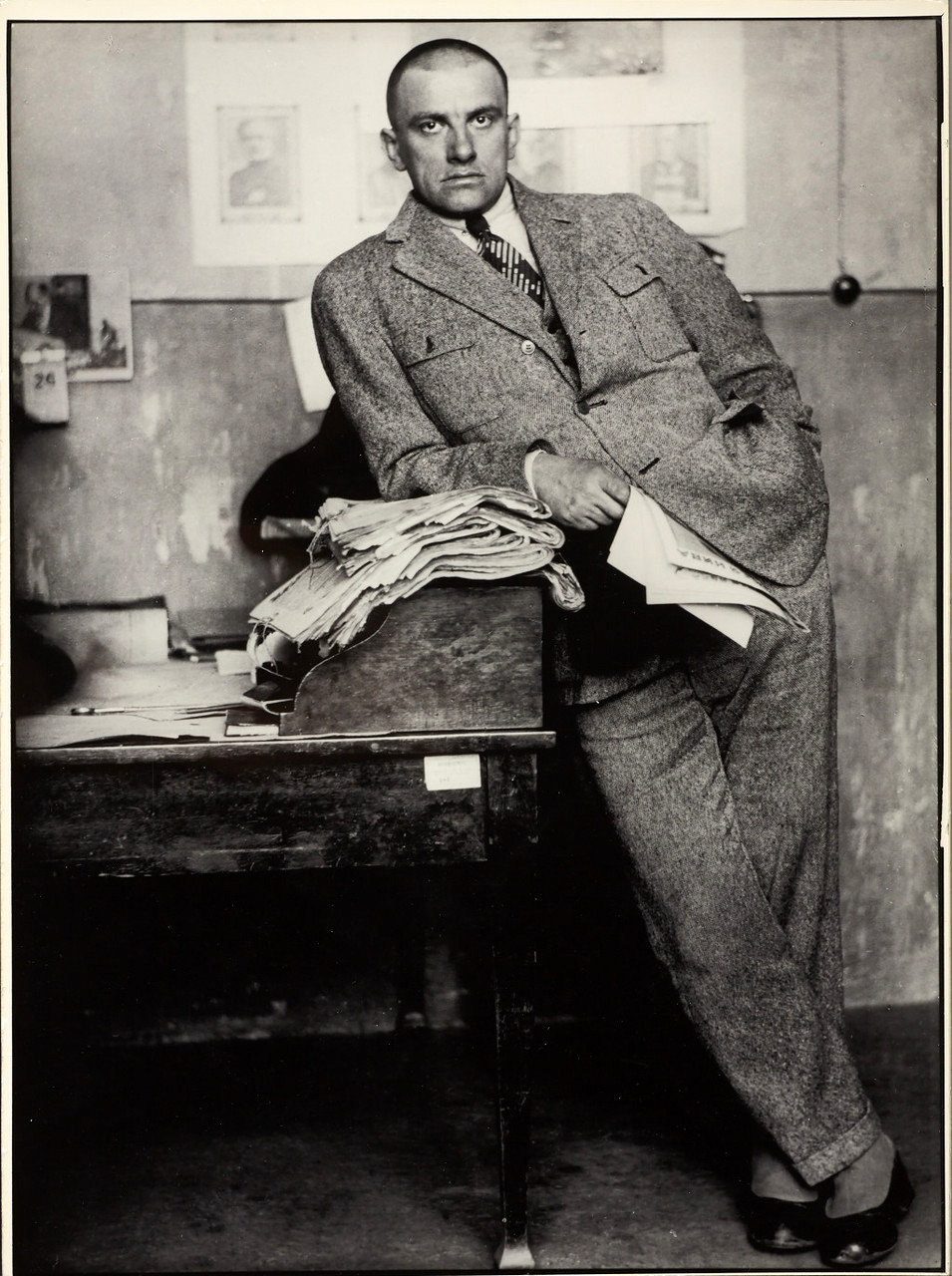
Poet Vladimir Mayakovsky at the editorial office in Moscow (1927).
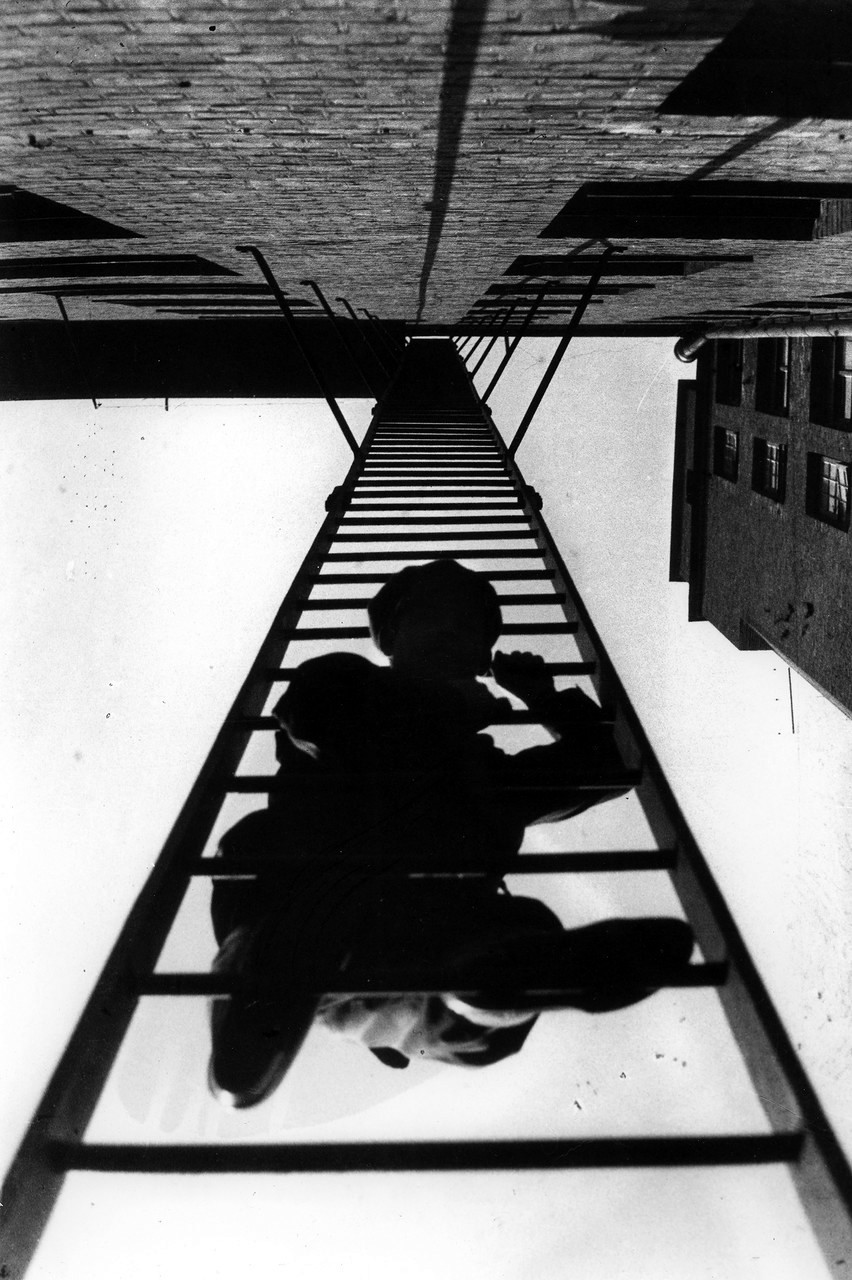
The first technique is perspective. For Rodchenko, photography is a way to communicate new ideas to society. In the age of airplanes and skyscrapers, this new art form should teach us to see from all sides and show familiar objects from unexpected perspectives. Rodchenko is particularly interested in “top-down” and “bottom-up” perspectives. This technique, one of the most popular today, was a true revolution in the 1920s.
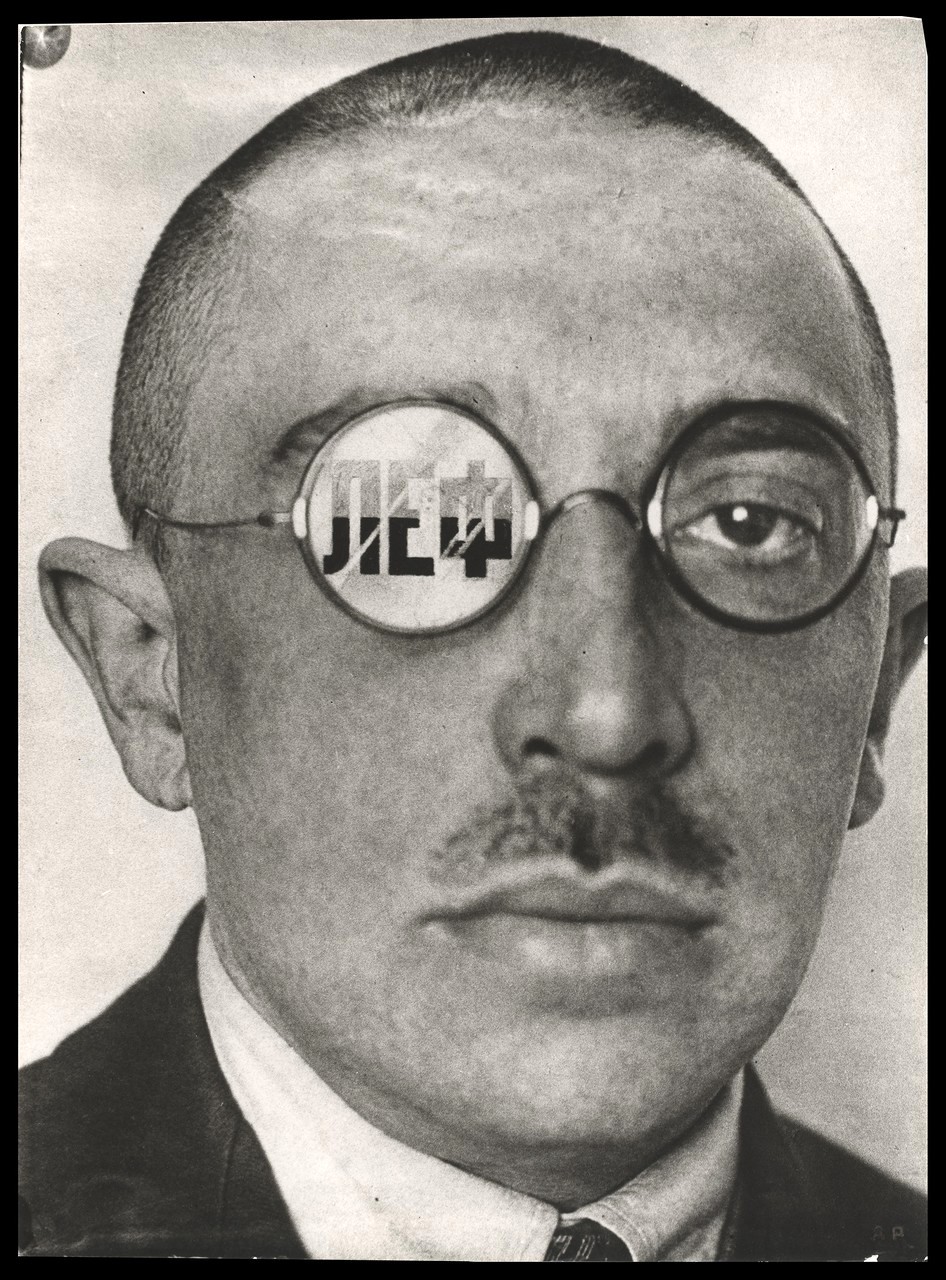
Literary critic Osip Maksimovich Brik (1924).
Mother (1924).
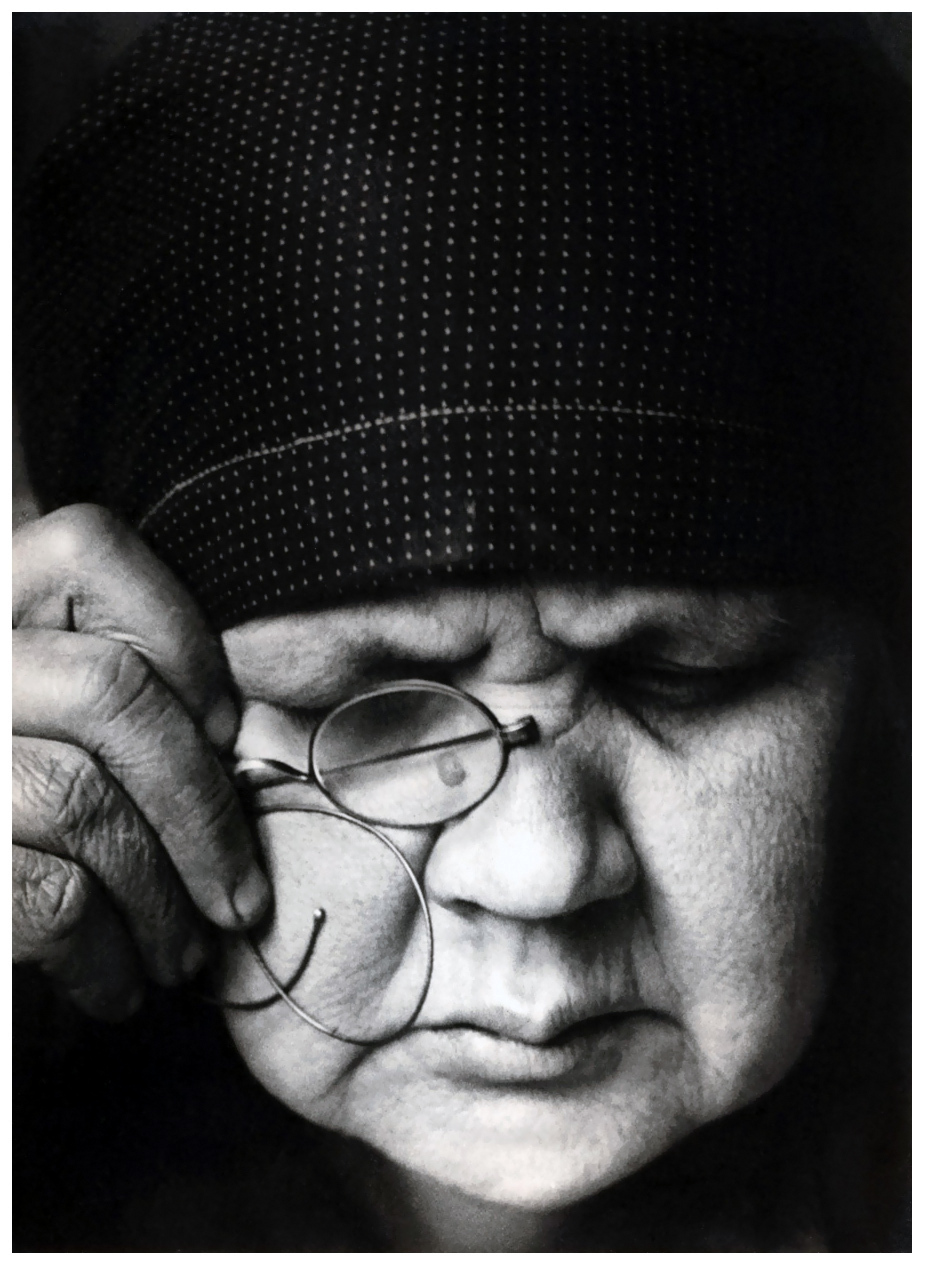
The second technique is called the diagonal. Even in painting, Rodchenko identified line as the basis of any image: “Line is the first and last thing, both in painting and in any construction in general.” Line would become the fundamental constructive element in his later work-photomontage, architecture, and, of course, photography.
Rodchenko would most often employ the diagonal, as, in addition to its structural load, it also carries the necessary dynamism; a balanced, static composition is another anachronism he would actively combat.
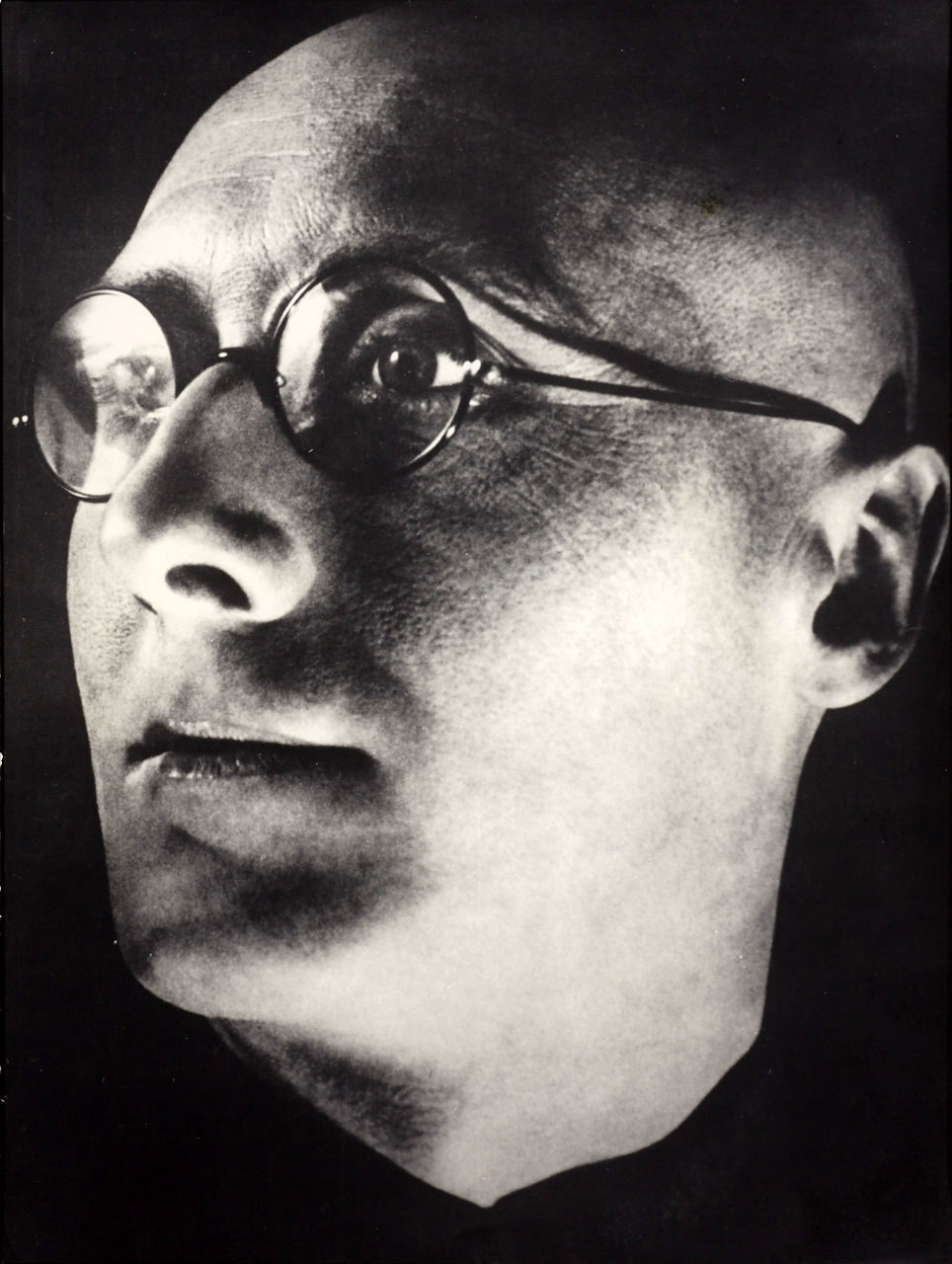
Producer Vitaly Zhemchuzhny (1924).
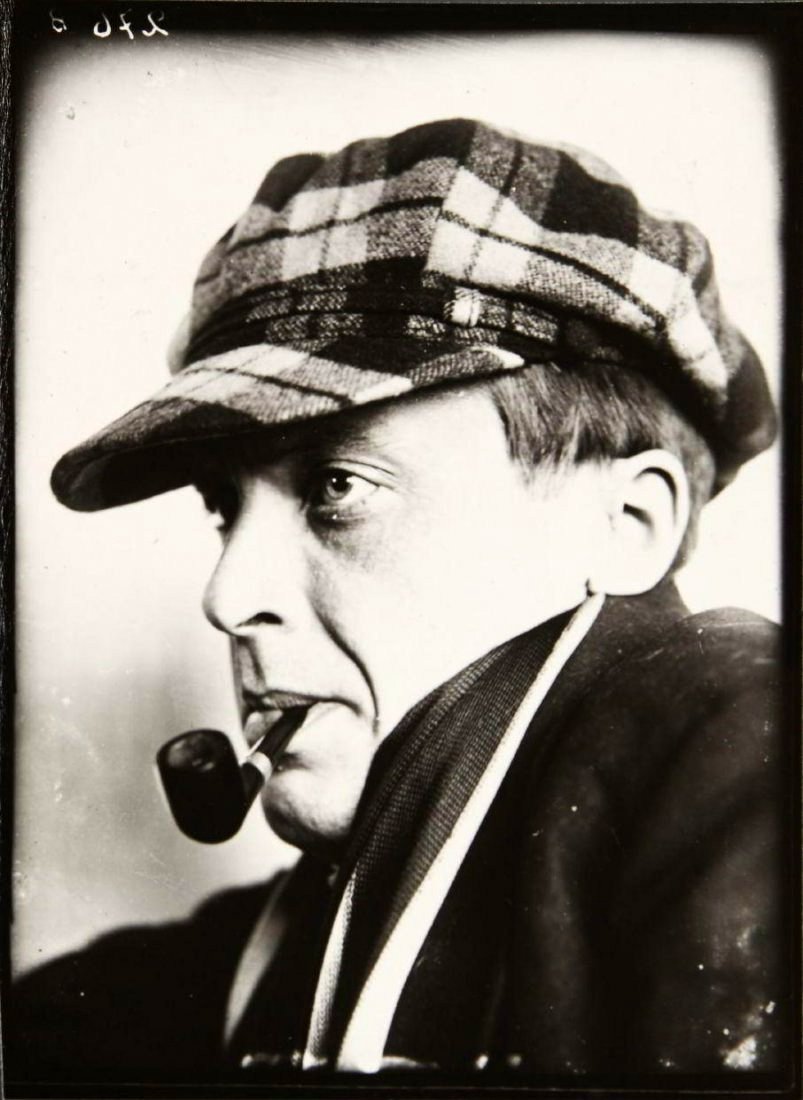
Artist Alexander Shevchenko (1924).
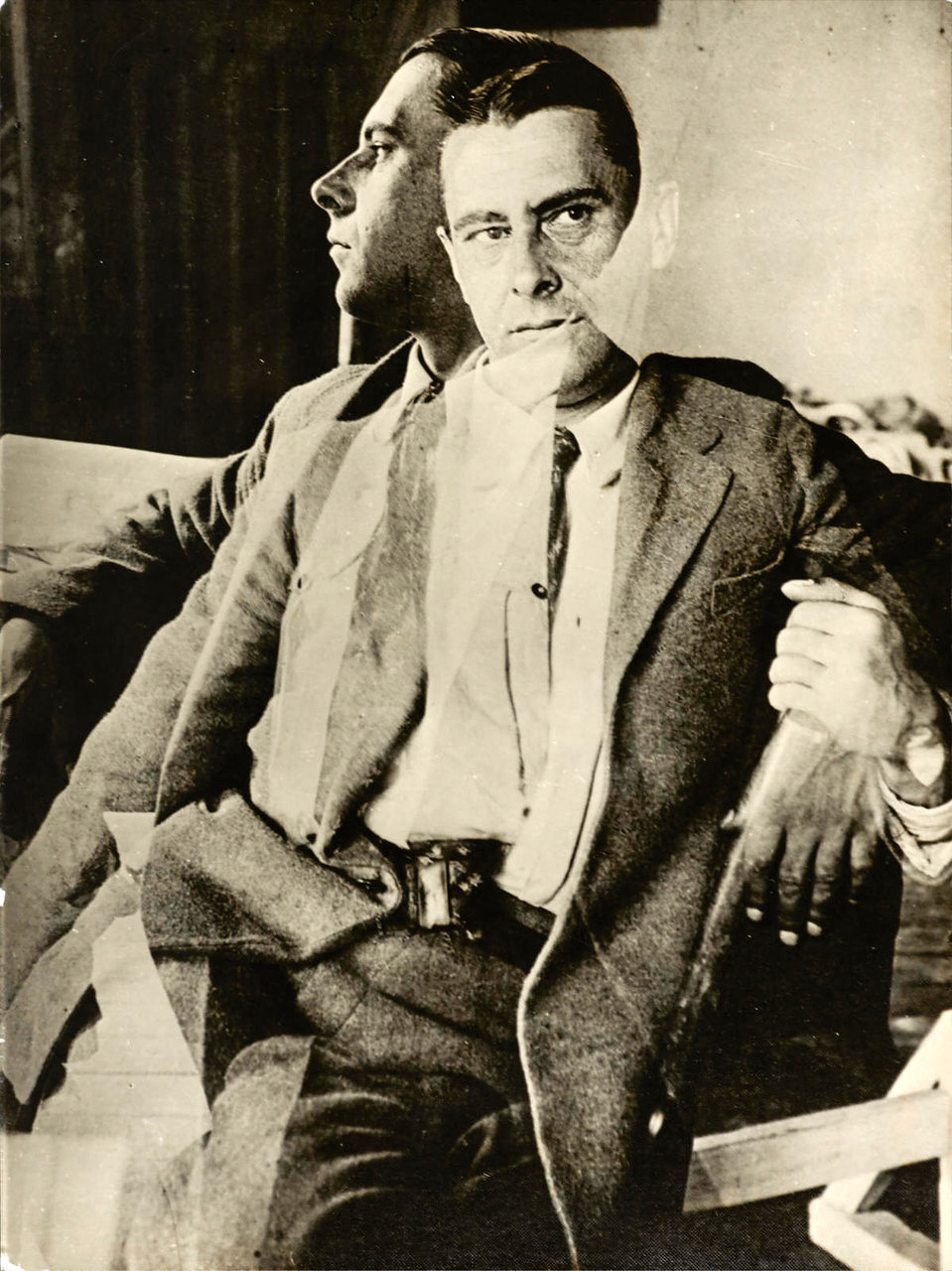
Poet Sergei Tretyakov (1925).
Workers’ demonstration (1925).

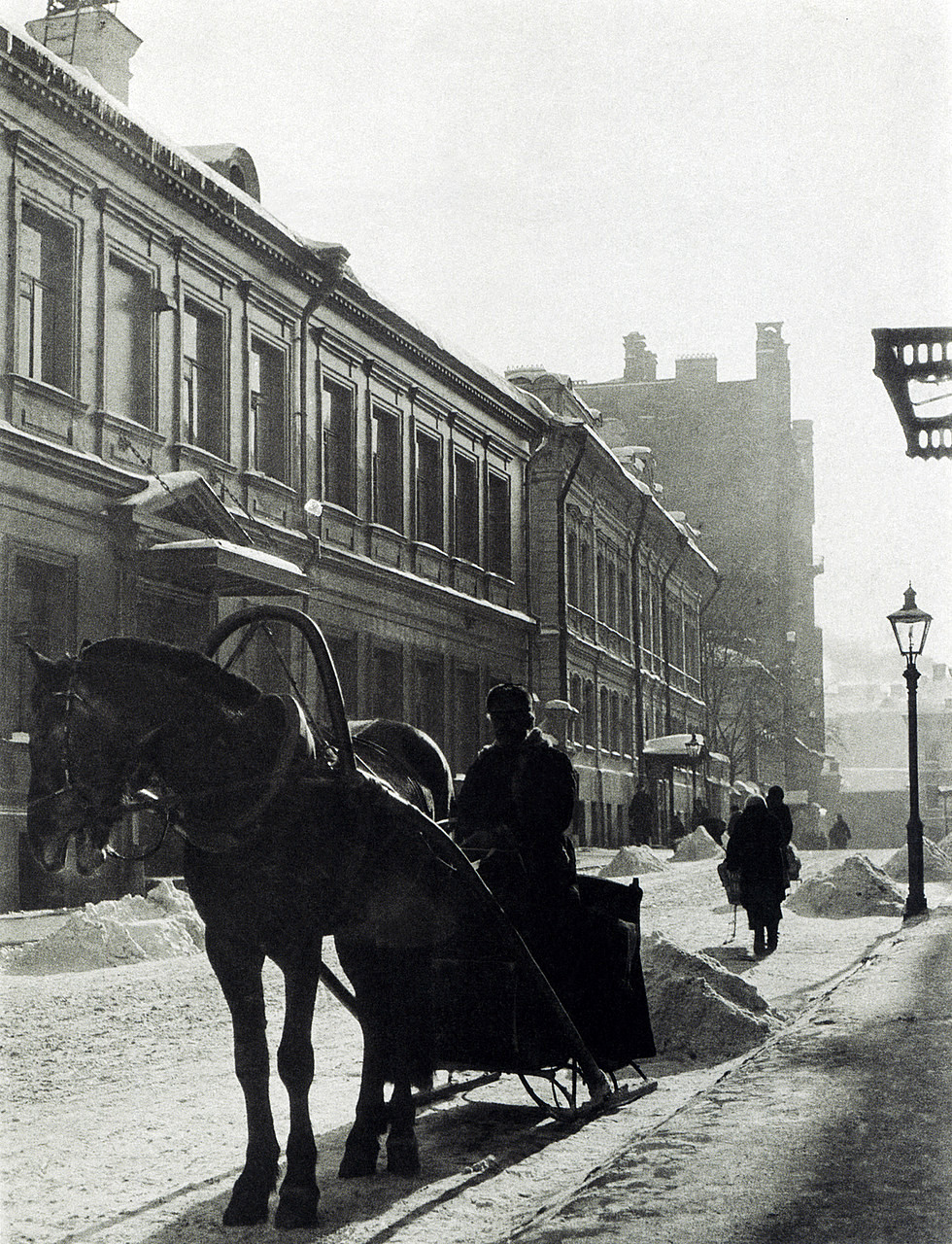
Cabby (1926).
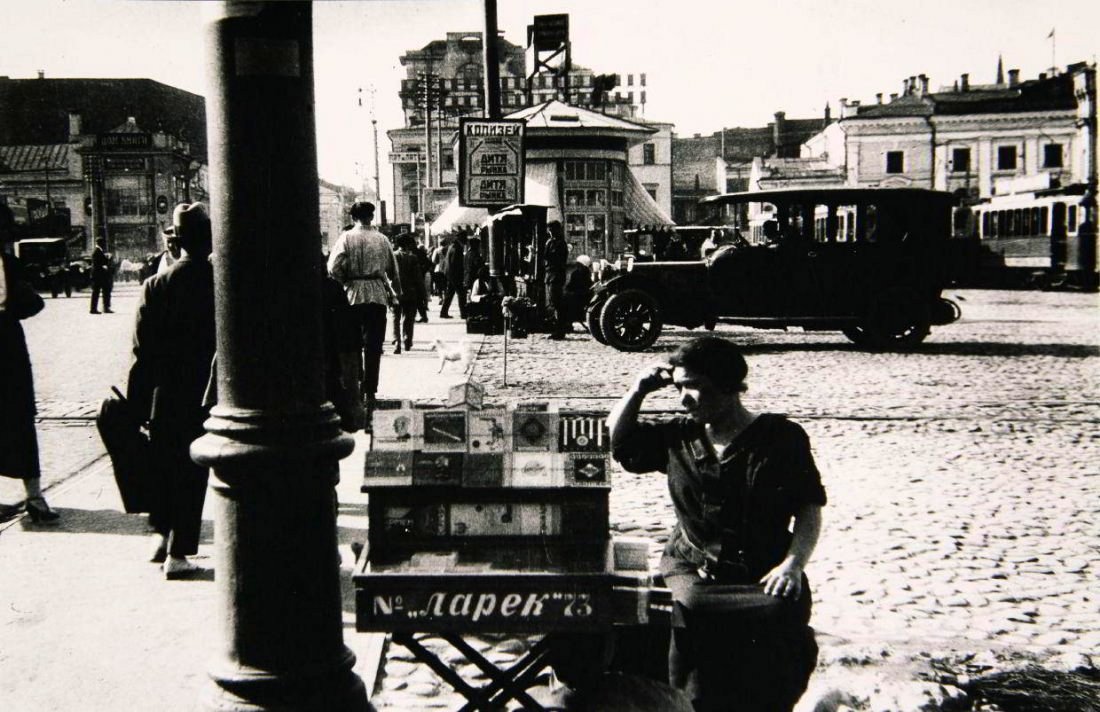
Cigarette sales on Strastnaya Square (1926).
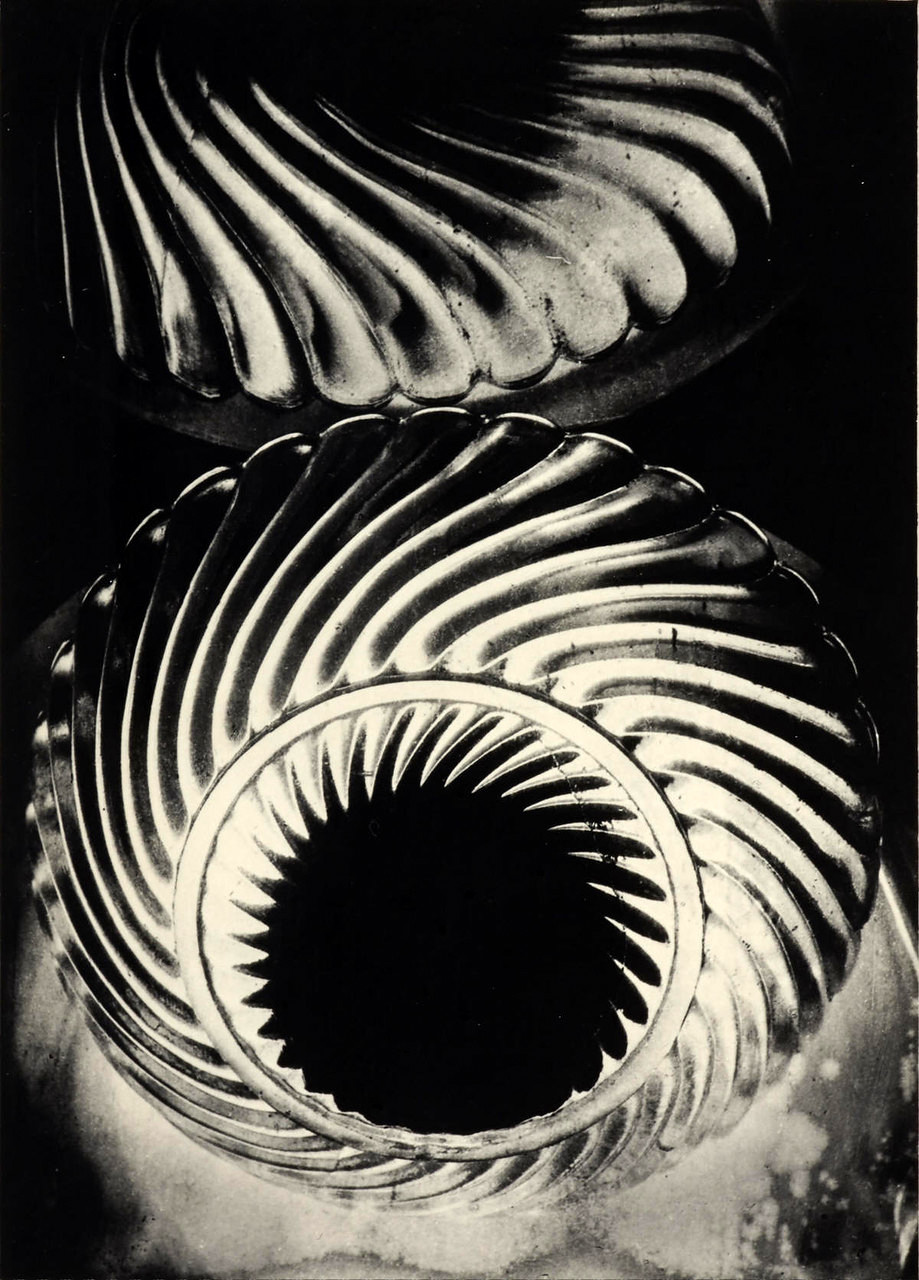
Vase (1928).
Woman with Child (1929).

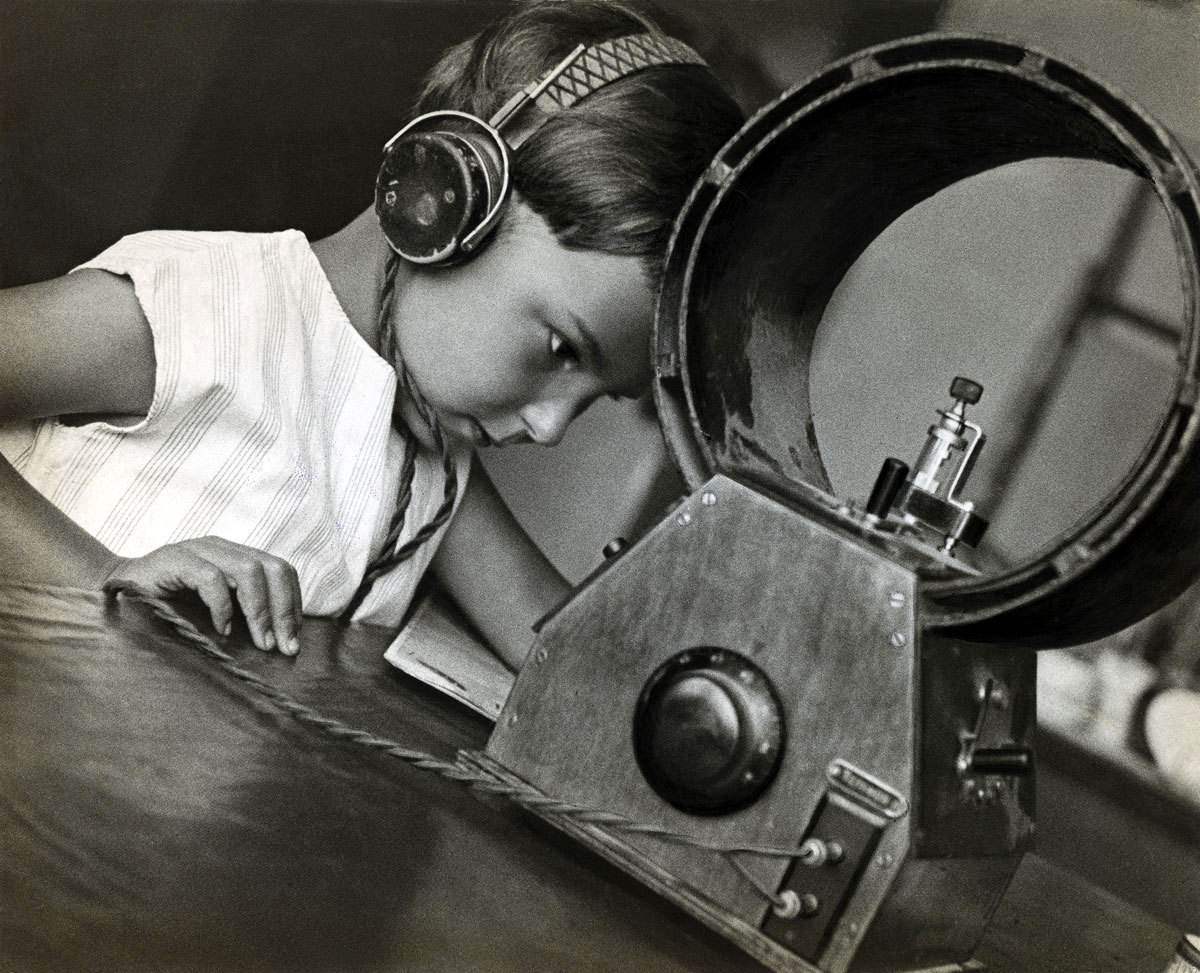
Radio Amateur (1929).
On the Sidewalk (1930).

Pioneer (1930).
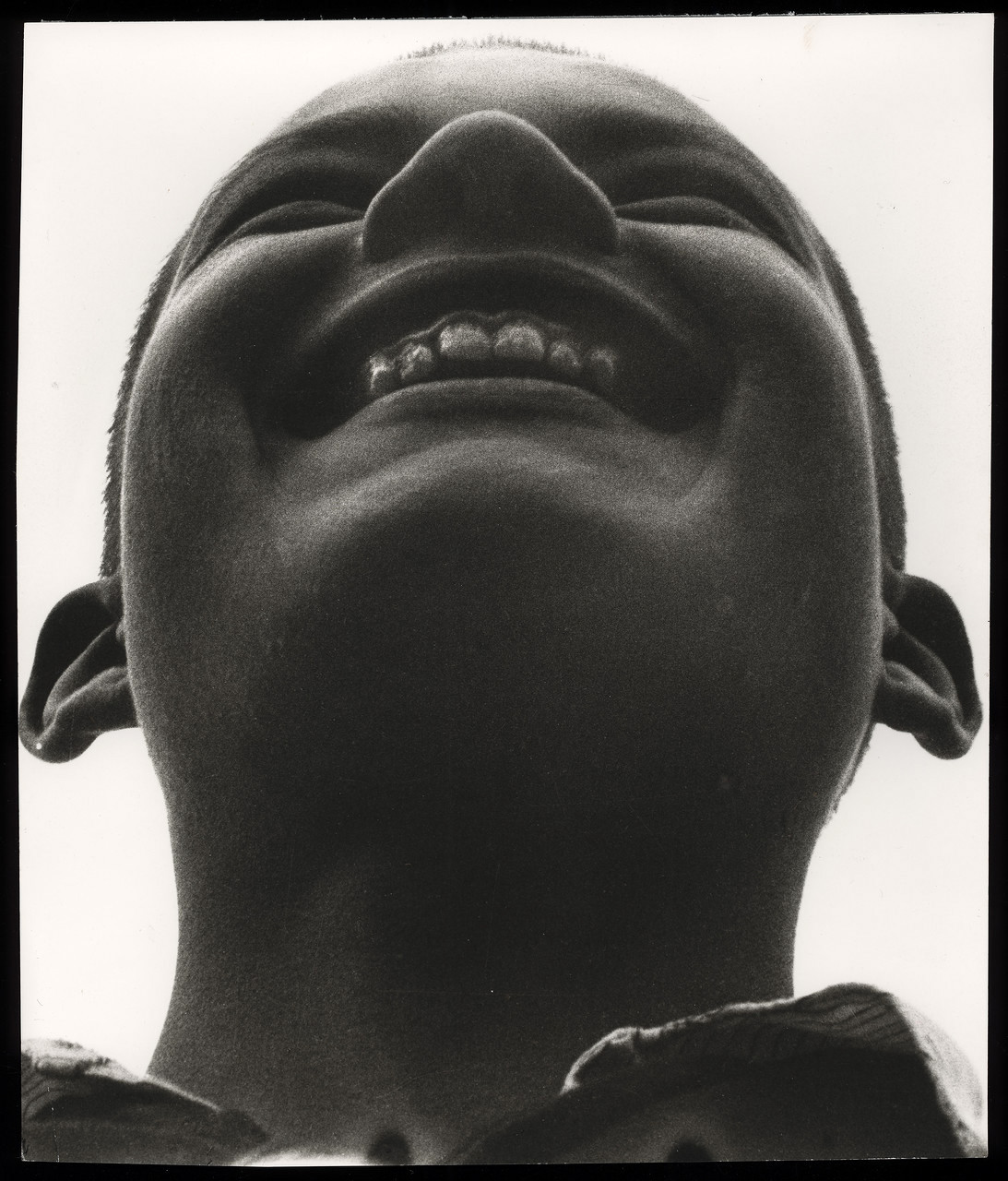
Pioneer with a Bugle (1930).
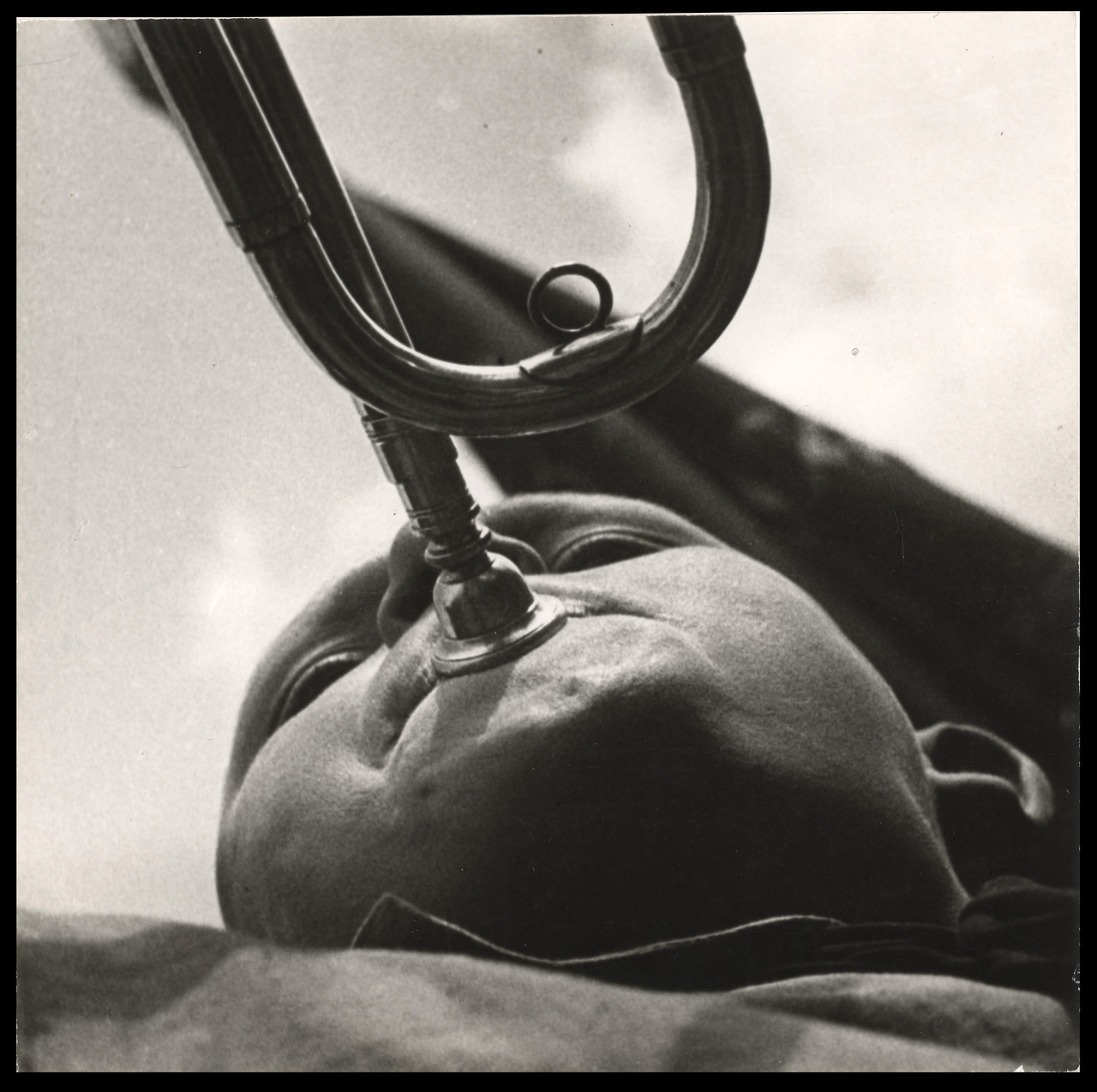
Pioneer (1930).

Girl with a Leica (1933).

With Worms for Bait (1933).
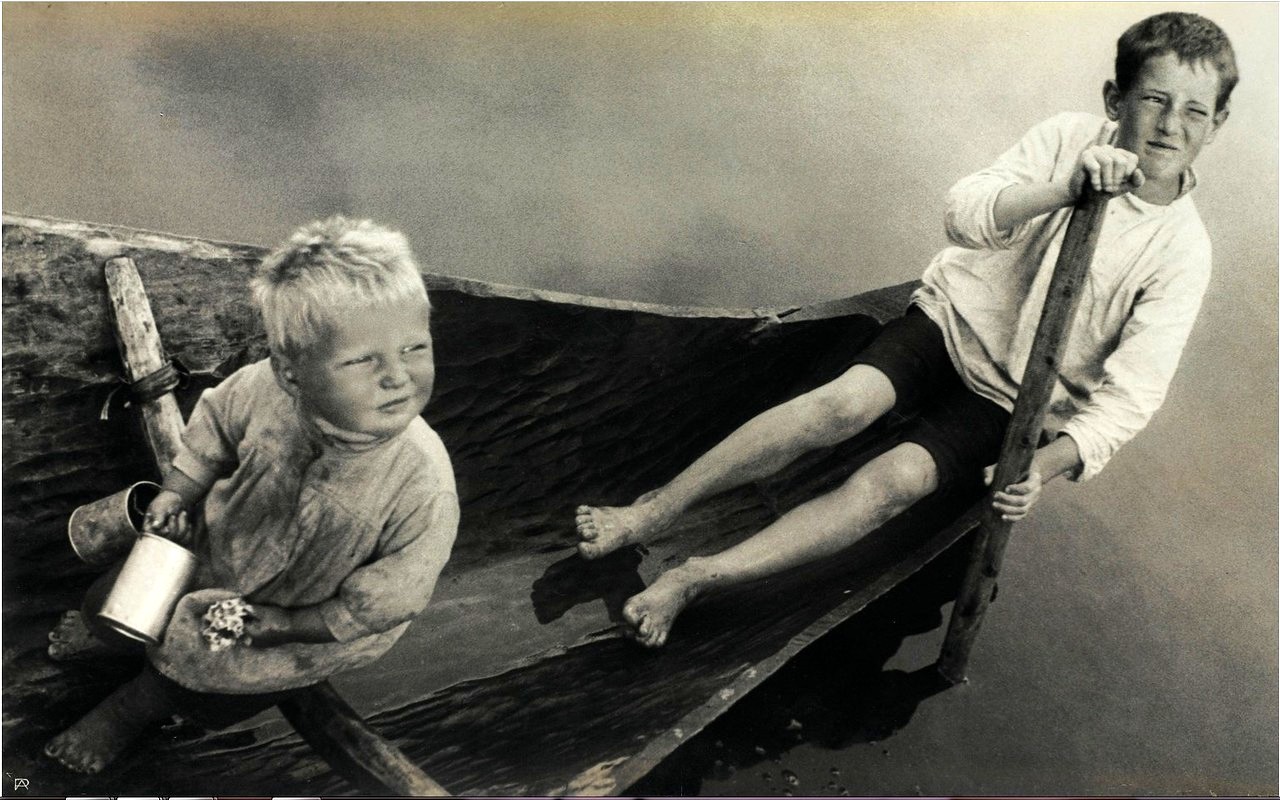
Diver (1934).
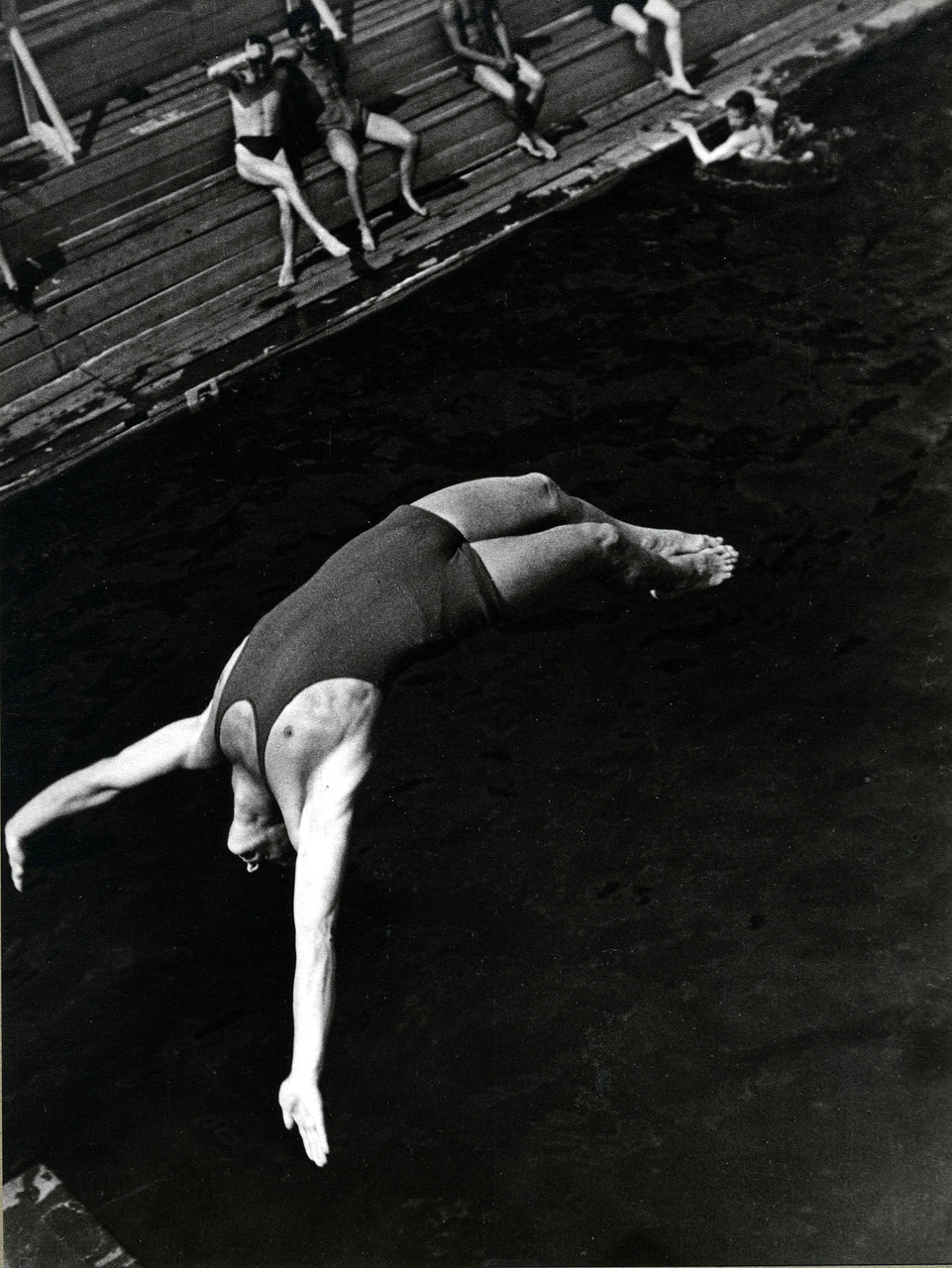
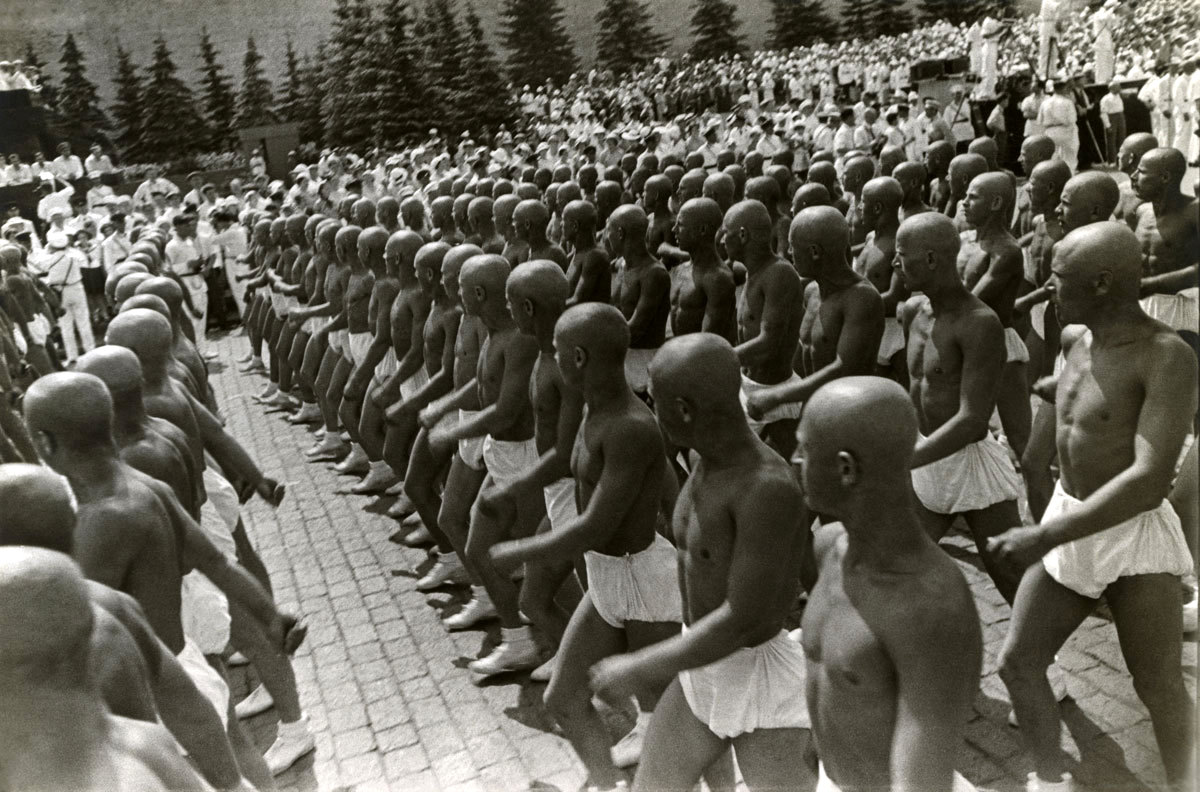
Athletes on Red Square (1935).
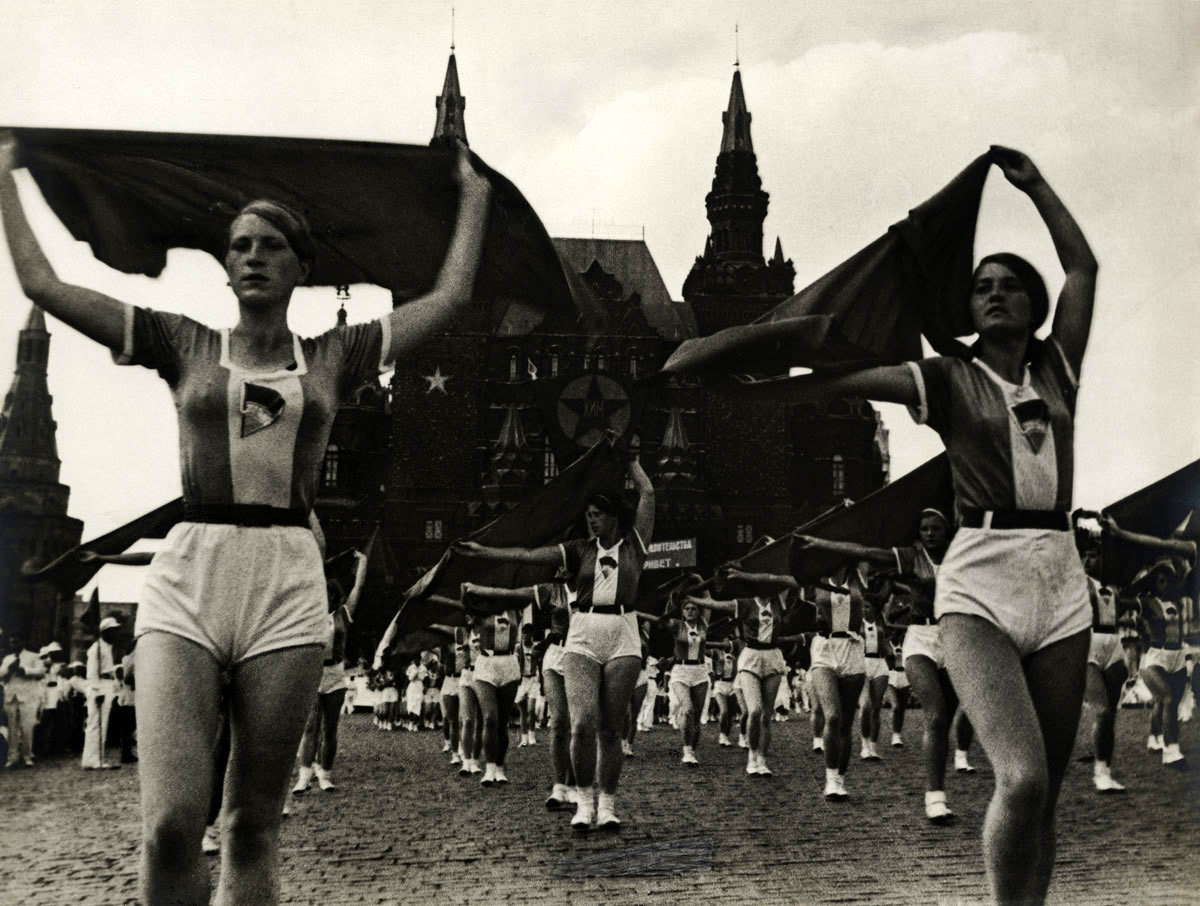
Athletes on Red Square (1935).
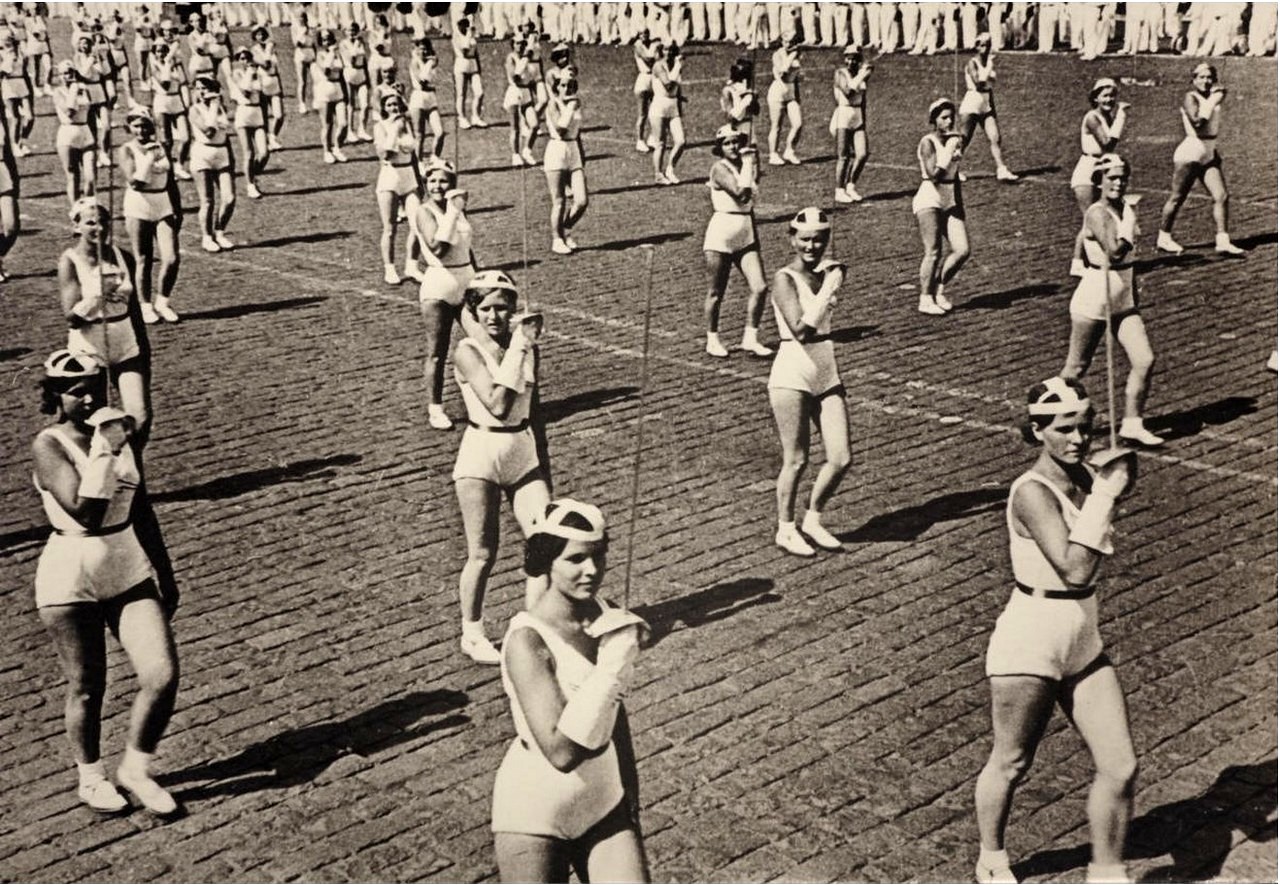
Fencers with Foils (1936).
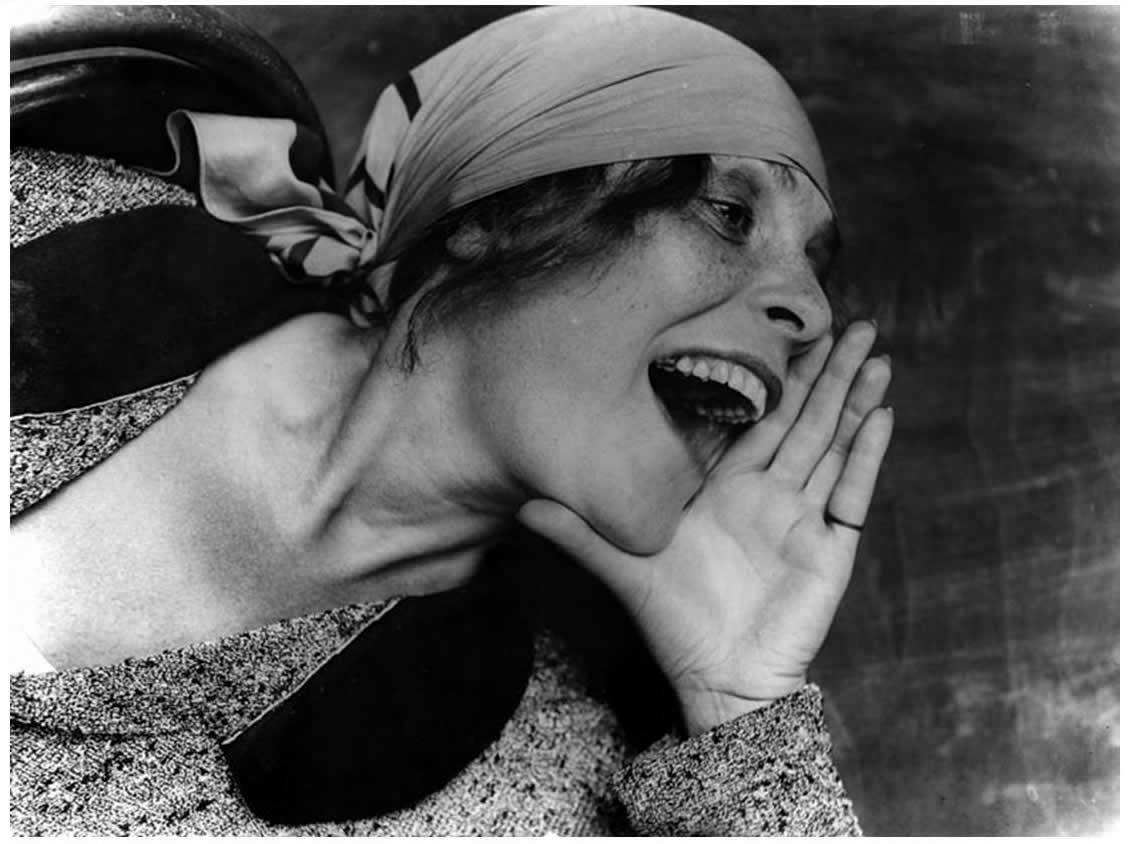
Lilya Brik – a Soviet prose writer and translator, the “muse of the Russian avant-garde”, and the hostess of one of the most famous literary and artistic salons of the 20th century.
Fire Escape.
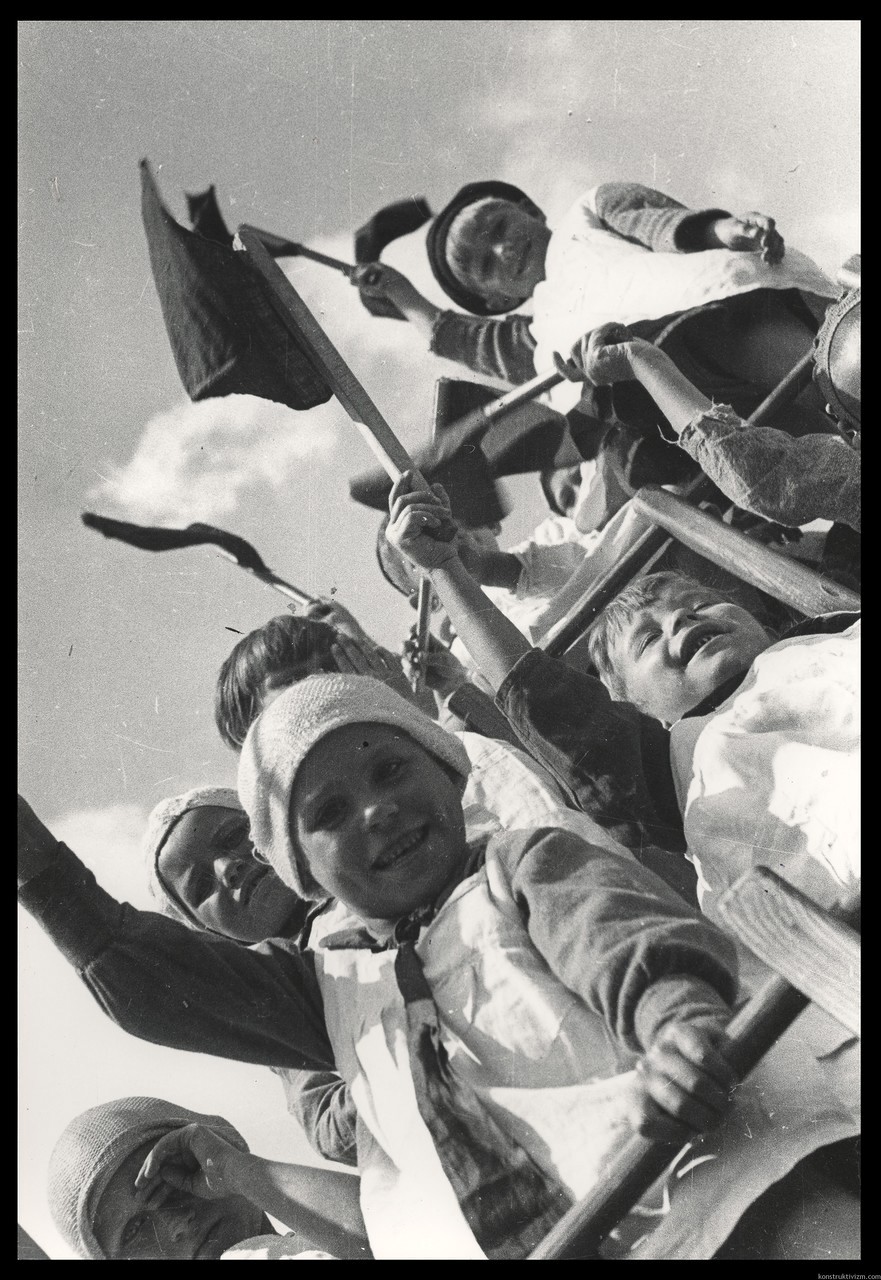
Laughing Children.
Alexander Rodchenko (1924).

Tags: Soviet past
<< Abandoned Reinforced Concrete Ship on the Volga River