
24
Visual Revolution: Soviet Movie Posters from the 1920s
No comments · Posted by Sergei Rzhevsky in Art, Entertainment, History
During the NEP (New Economic Policy) of the 1920s, Soviet moviegoers could enjoy not only domestic films but also a wide range of foreign ones. Most of these were purely entertaining, and ideological films had not yet come to dominate the repertoire as they would in later years.
The movie posters of these years hold particular fascination. They were a continuous celebration of the avant-garde, marked by endless experiments with color, form, and imagery. This bold, flashy language of bright colors stood in striking collision with the black-and-white world of the silver screen.
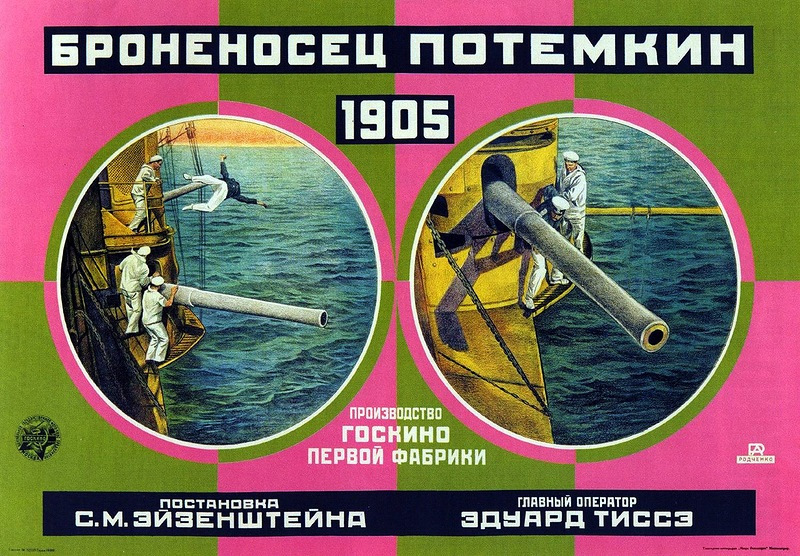
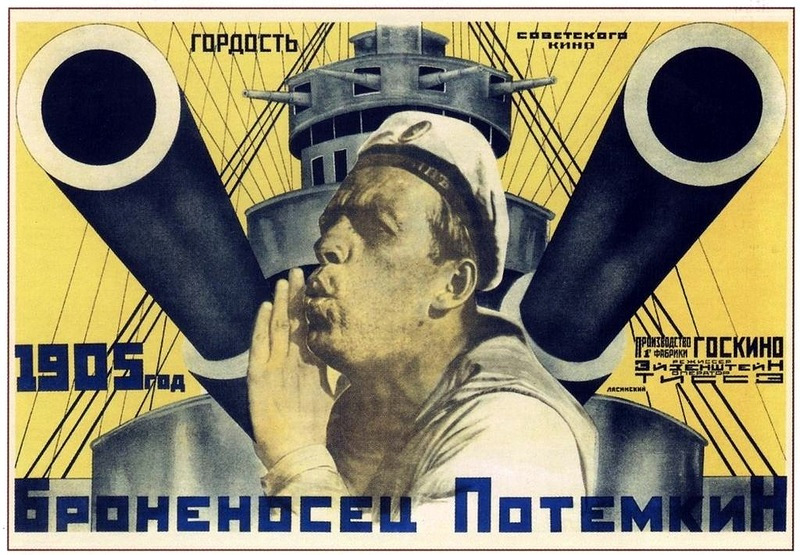
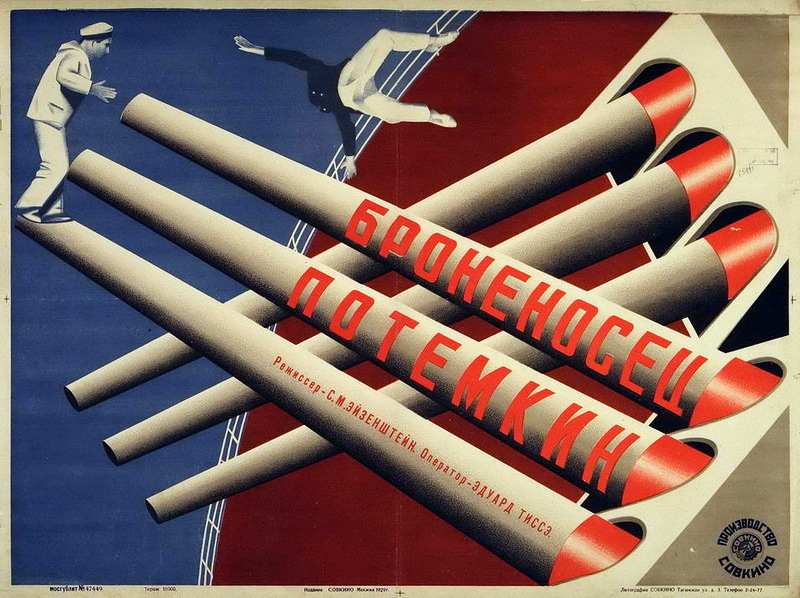
Battleship Potemkin (1925).
During the Russian Revolution of 1905, the crew of the battleship Potemkin rises up against the harsh, oppressive rule of their officers. The ensuing street protest in Odessa triggers a violent police massacre.
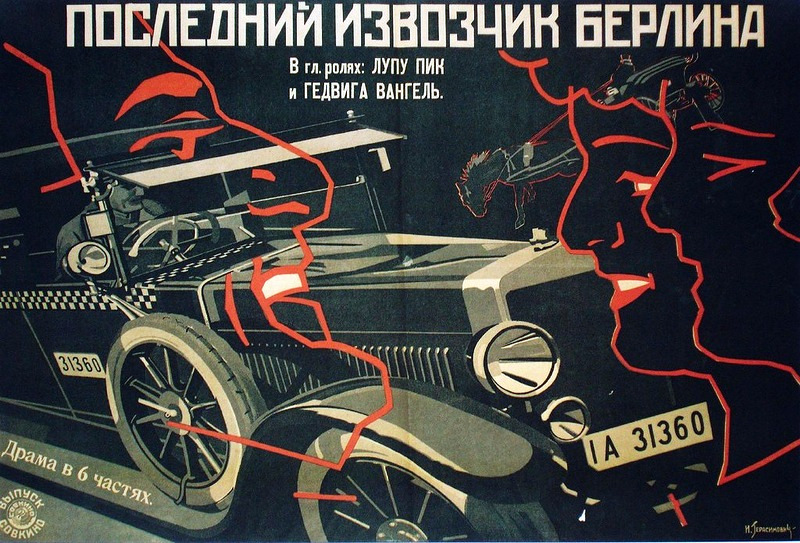
The Last Cab Driver in Berlin (Germany, 1926).
In Berlin, a taxi driver refuses to abandon his horse-drawn cab for a motor vehicle.
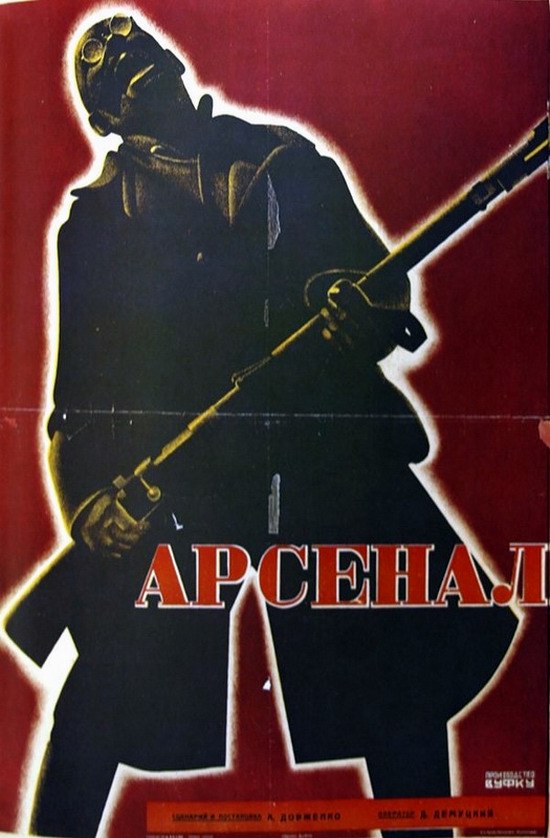
Arsenal (1929).
After surviving a train crash, a soldier returns to Kyiv and finds himself amid clashes between nationalists and collectivists.
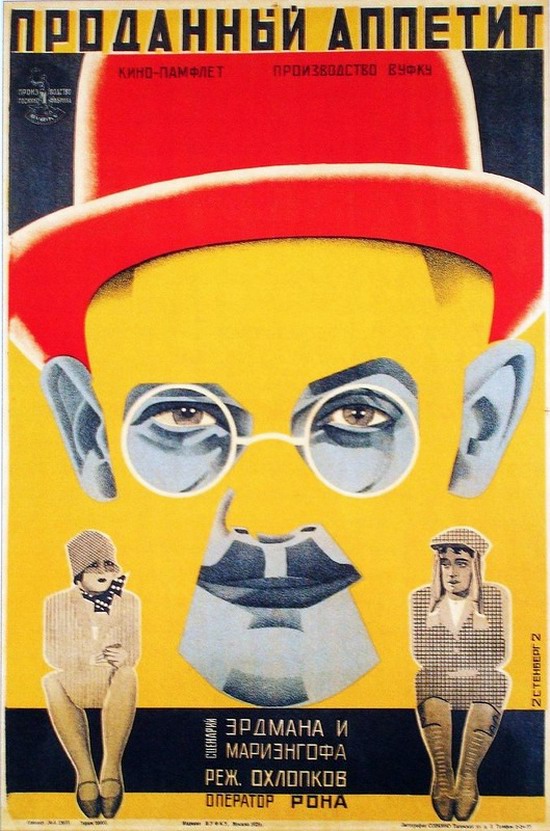
The Sale of an Appetite (1928).
After overeating ruins his stomach, a gluttonous millionaire hires Professor Fuchs, who proposes surgery to separate satiety from digestion by linking him to a healthy donor. Unemployed driver Emil becomes that donor; the millionaire gains endless appetite while Emil endures the pain.
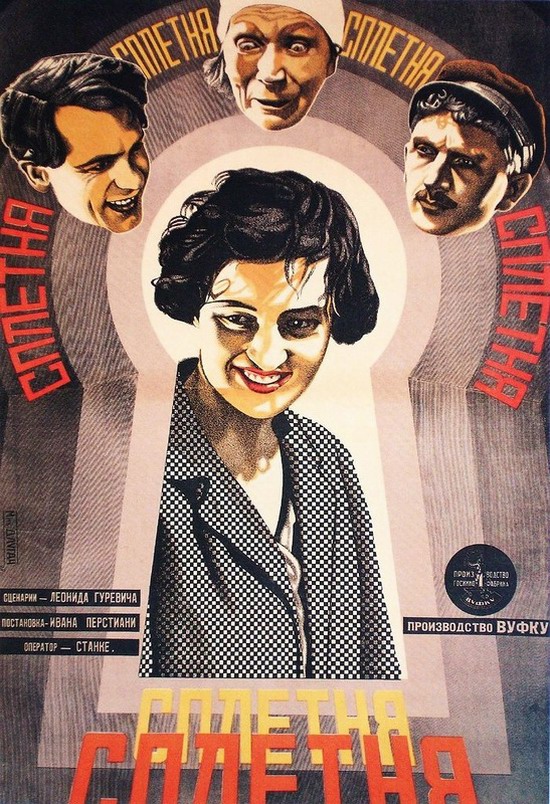
Scandal (1928).
Hoping to force Vera out of her room, the neighbors spread slanderous rumors about her. Though she deeply loves Alexei, he believes their gossip. When the hooligan Sashka wounds her, Alexei finally realizes he was wrong.
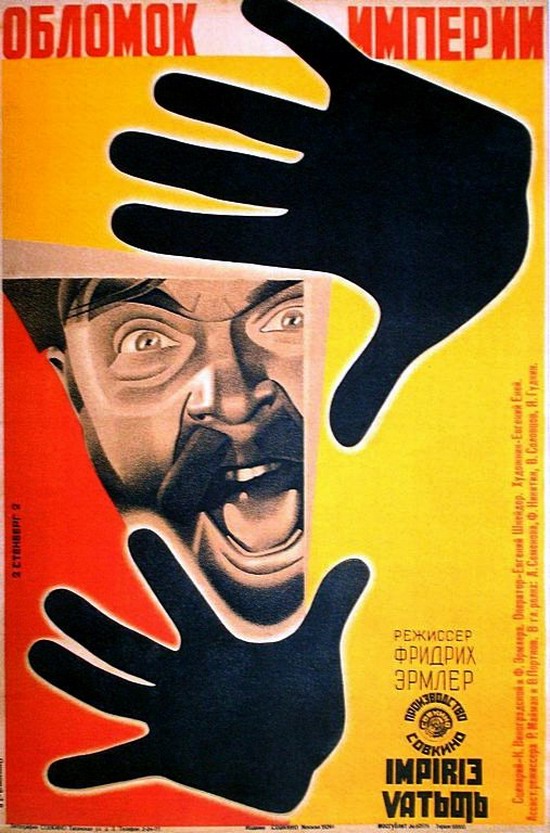
Fragment of an Empire (1929).
The story of a man who loses his memory during World War I, recovers it a decade after the Russian Revolution, and returns home to a transformed, unfamiliar St. Petersburg.
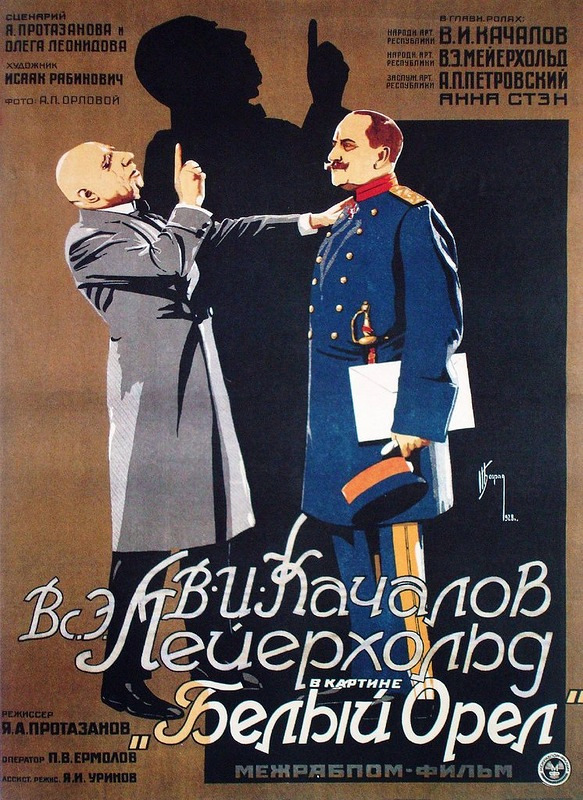
The White Eagle (1928).
“Spare no bullets!” was the supreme order given to a governor in the event of a workers’ uprising. Desperate times call for desperate measures. None of those involved can ever find peace afterward.
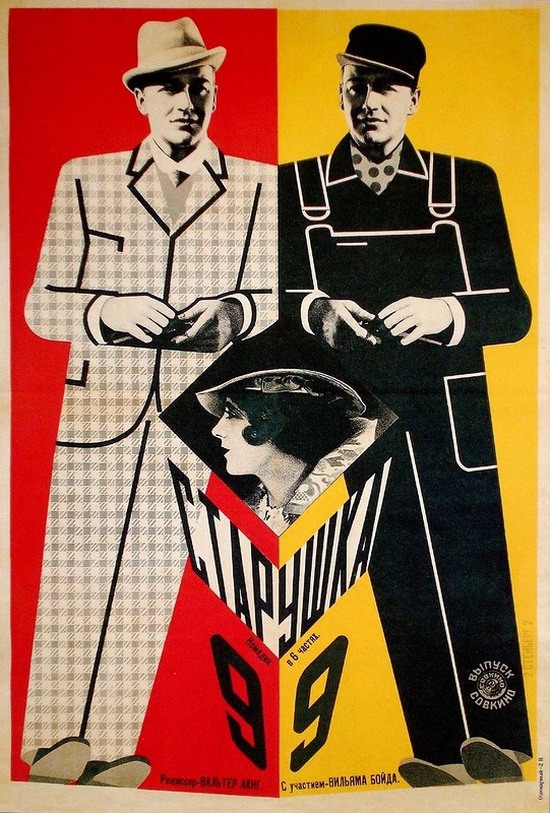
The Night Flyer (Old Number 99) (Hollywood, 1928).
Jimmy Bradley, fireman on the aging locomotive No. 99, finds himself rivaled by an engineer both at work and in love as the two men compete for the same woman and for the prestigious run of the official mail train.
Stairs of Sand (Ester from Salem) (Hollywood, 1929).

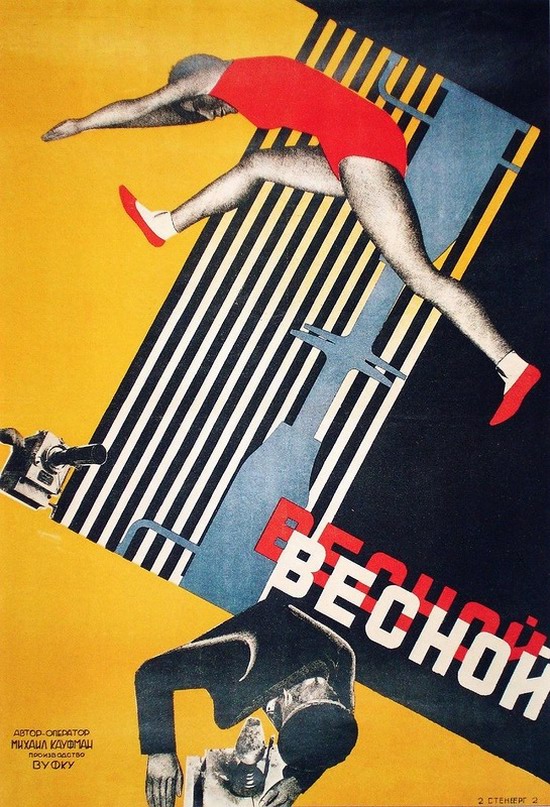
In Spring (1929).
A masterpiece of Ukrainian avant-garde cinema, this non-fiction film by Mikhail Kaufman – Dziga Vertov’s brother and collaborator – embodies the “cine-eye” theory. It portrays little-known 1929 Kyiv, where the city’s awakening life echoes nature’s rebirth. Kaufman’s camera lingers on children’s smiles in a lyrical love letter to the city, pioneering the hidden-camera technique.
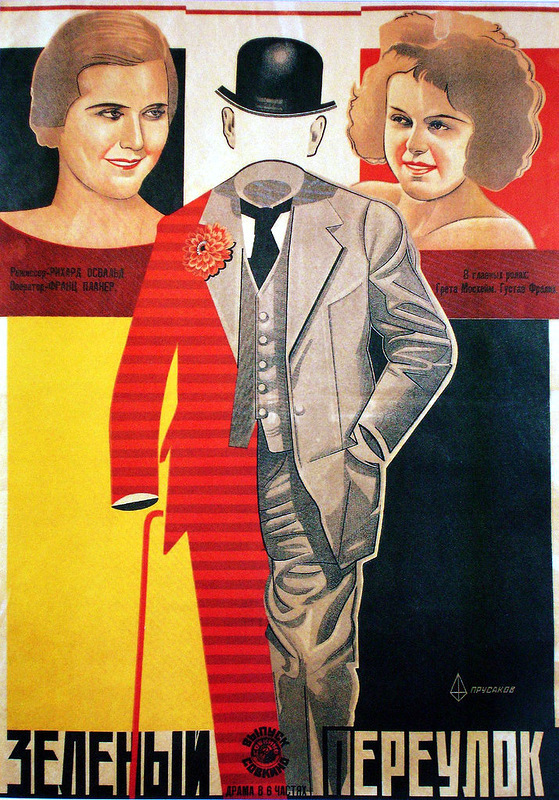
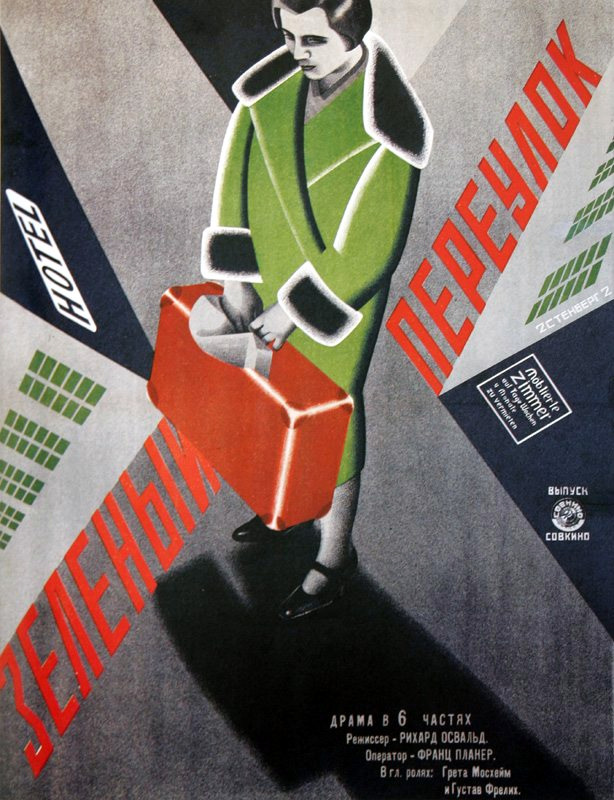
The Green Alley (Die Rothausgasse) (Germany, 1928).
Milada grew up in a Rothausgasse brothel but has not become a prostitute. She has always followed her mother Katherina, an aging whore unable to escape that life. Now dying, Katherina makes her 17-year-old daughter – working as a chambermaid in Mrs. Goldscheider’s new “salon” – promise to do everything possible to break free.
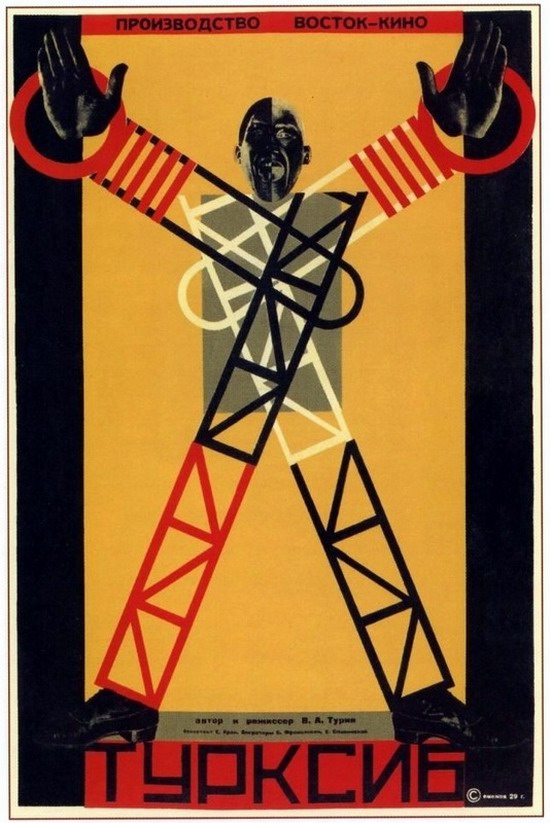
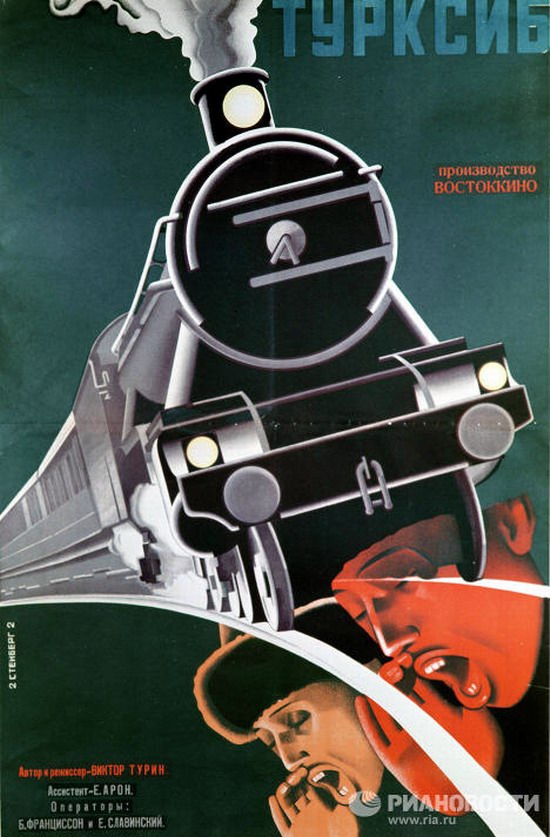
Turksib (1929).
Rejecting the character-driven storytelling favored by filmmakers elsewhere, Victor Turin created a sweeping, elemental drama of survival across Asia – from the arid plains of Turkestan to the icy mountains of Siberia. This distinctive film recounts the building of a monumental Soviet railway linking Central Asia and Siberia.
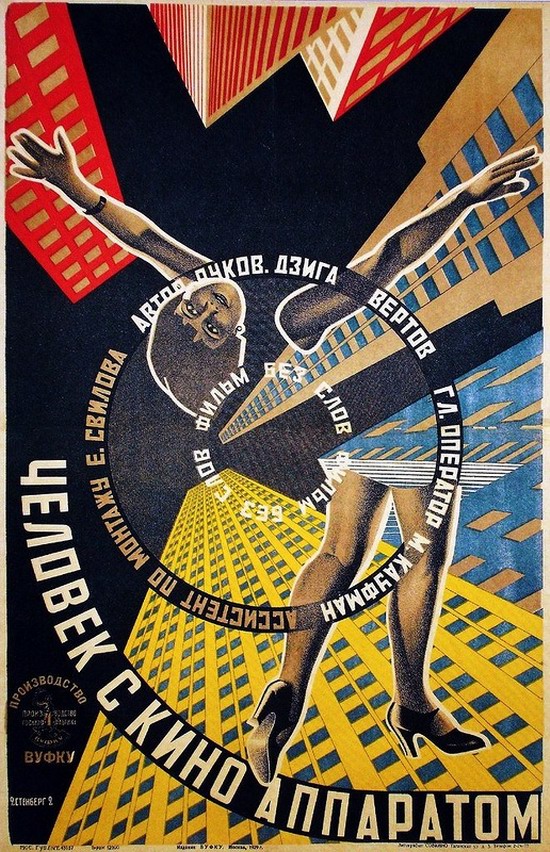
Man with a Movie Camera (1929).
A man roams the city with a camera over his shoulder, capturing urban life with brilliant inventiveness.
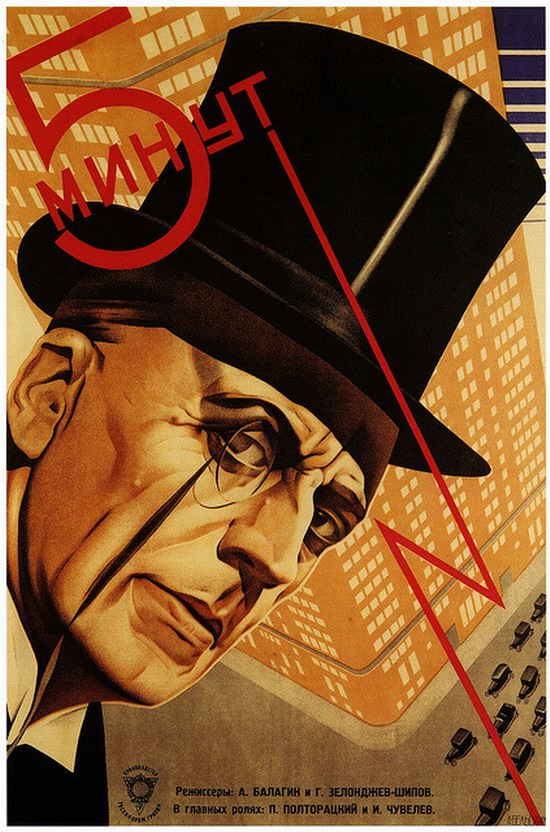
Five Minutes (1928).
On January 27, 1924, at exactly 4 p.m., workers and ordinary people across the USSR and many countries observed five minutes of silence in memory of their leader. Life halted – factories stopped, trains, ships, and cars stood still – in collective mourning. But an American concessionaire, rushing to close a profitable deal, refuses to pause. When his Chinese driver stops the car to observe the silence, the boss roughly orders him to drive on, breaking the shared farewell.

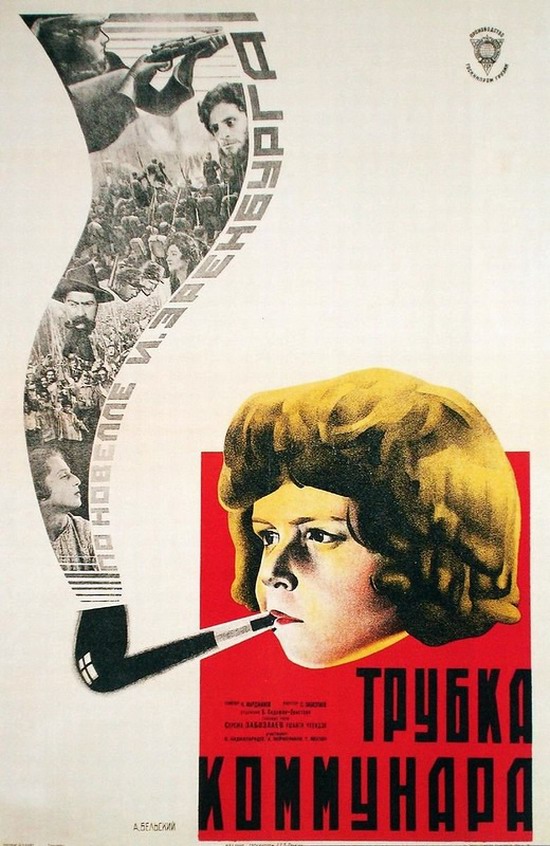
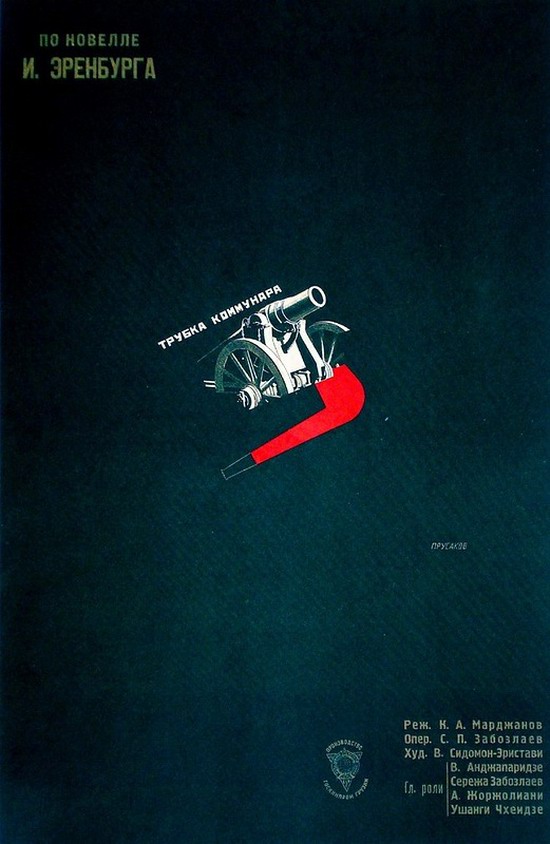
The Communard’s Pipe (1929).
A Russian account of the 1871 Paris Commune, the world’s first proletarian government.
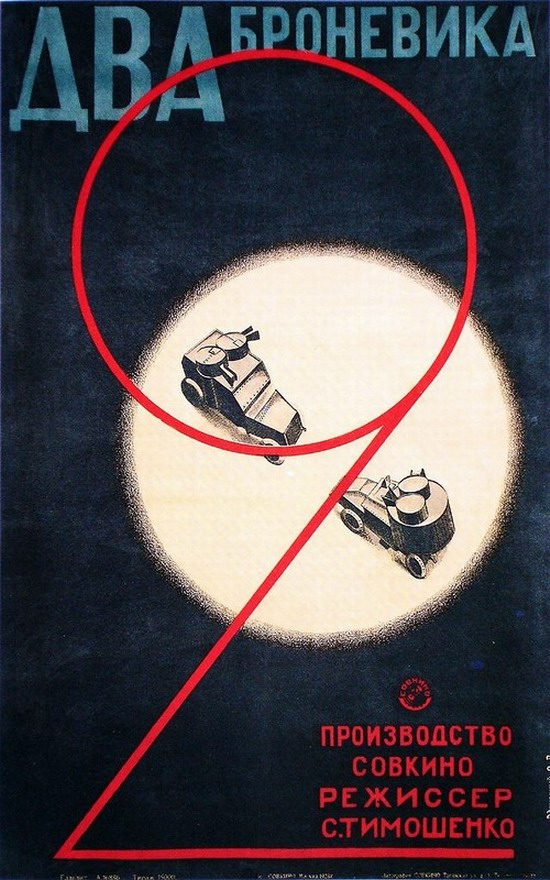
Two Armoured Cars (1928).
Set in Petrograd during the 1917 October Revolution, the story contrasts a driver who sides with the proletariat against a fellow soldier who tries to stay neutral.
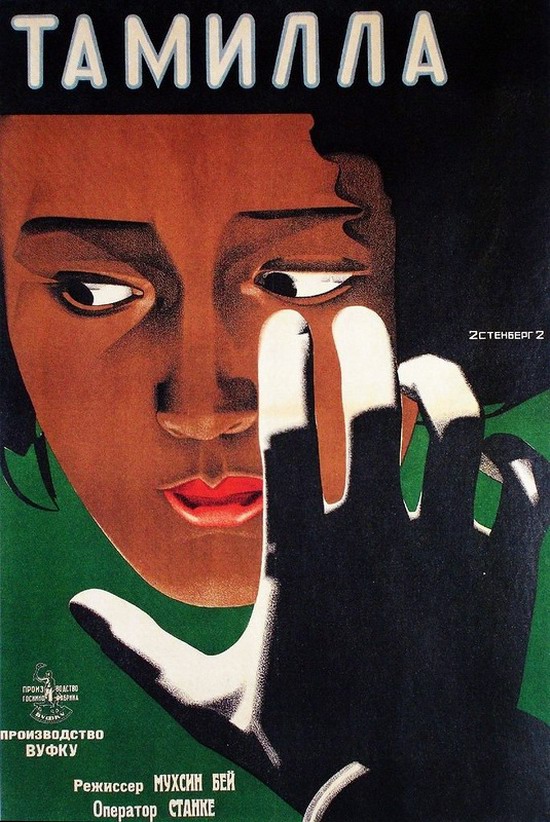
Tamilla (1927).
Set in a French colony in North Africa, Tamilla is sold as a child by her father to the old merchant Lakhrash. Later he sells her again as a wife to the Bedouin Akli. When Lakhrash returns and reclaims her, she seeks money from Akli to buy freedom. After he takes a second wife, the insulted Tamilla flees home with her child – only to be sold back to Lakhrash, who murders the child and frames her. Years later, released from prison as an unwanted old woman, she takes her own life.
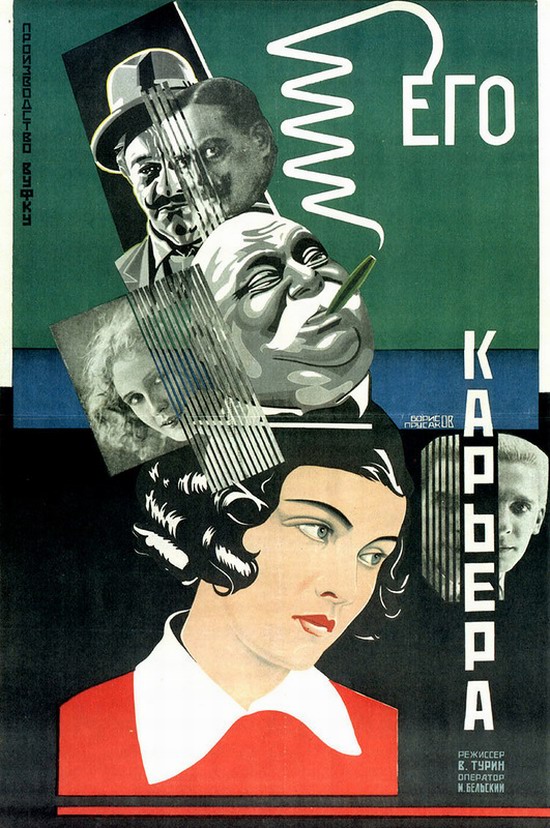
His Career (The Provocateur) (1928).
The tragic story of student Viktor Borovsky, who became captivated by the revolution, joined a student organization that was tracked down by the police, and, fearing hard labor, turned into an informant for the police. One day Viktor reported to the police a planned assassination attempt on a high-ranking tsarist official. As a result of his denunciation a young female terrorist was arrested, yet the tsarist general was killed by an entirely different hand…
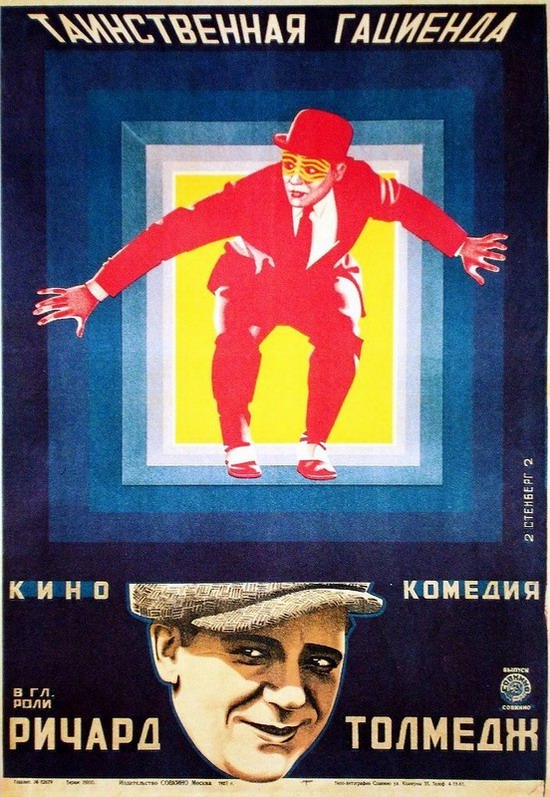
Tearing Through (The Mysterious Hacienda) (Hollywood, 1925).
When District Attorney Johnson fails to stop a drug-smuggling ring, his assistant Richard Jones investigates on his own. He learns that Bob Madison – brother of the woman he loves – is an addict controlled by the gang. Bob joins the probe, leading them to a Chinatown opium den run by Mr. Greer, a rival for Bob’s sister Constance. Richard rescues her, then discovers the DA is taking bribes. For his success, Richard is named the new district attorney.
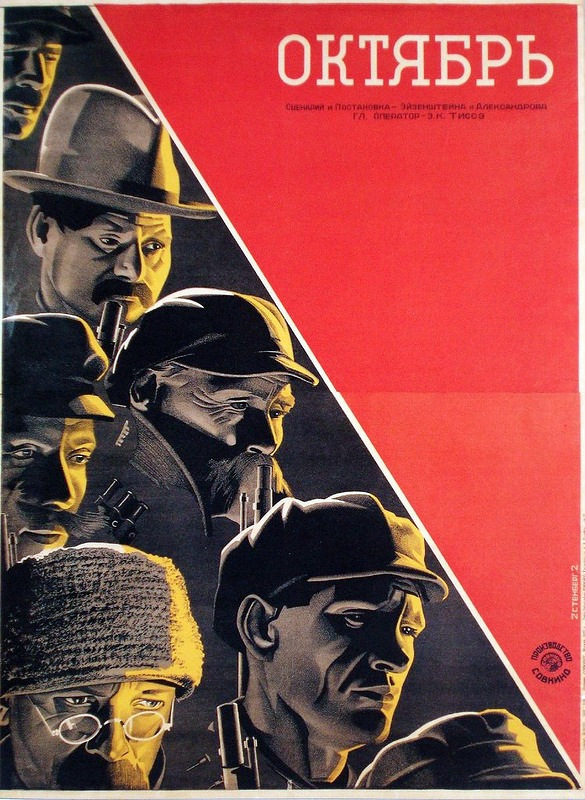
October (Ten Days that Shook the World) (1928).
A sweeping portrayal of the 1917 events in Russia that toppled the monarchy.

The Club of the Big Deed (SVD) (1927).
Just before the Decembrist Revolt of 1825, a soldier of fortune decides the time has come for a high-stakes game. But on whom should he place his bet? He consults the cards – yet he is not the only one making the choice.

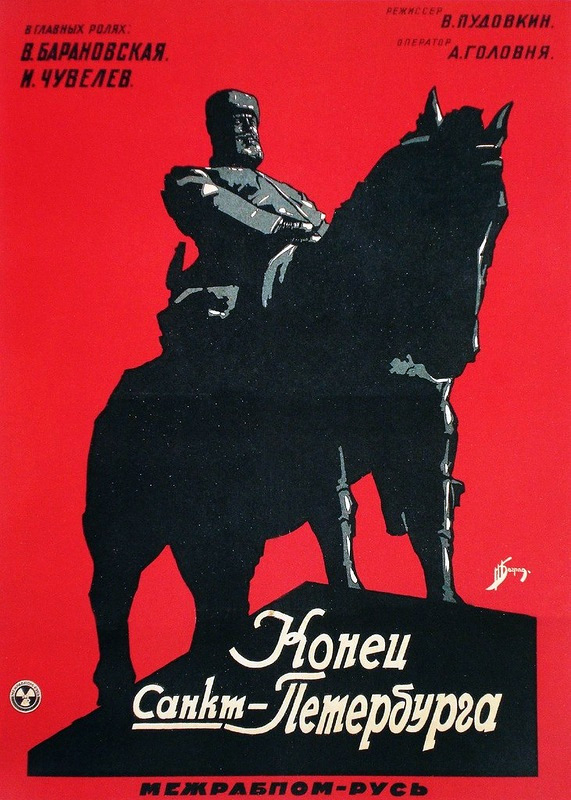
The End of St. Petersburg (1927).
A peasant arrives in St. Petersburg seeking work and unintentionally helps authorities arrest an old friend who has become a labor leader. Later unemployed, the man himself is arrested and conscripted to fight in World War I. After three years, he returns and joins the rebellion.
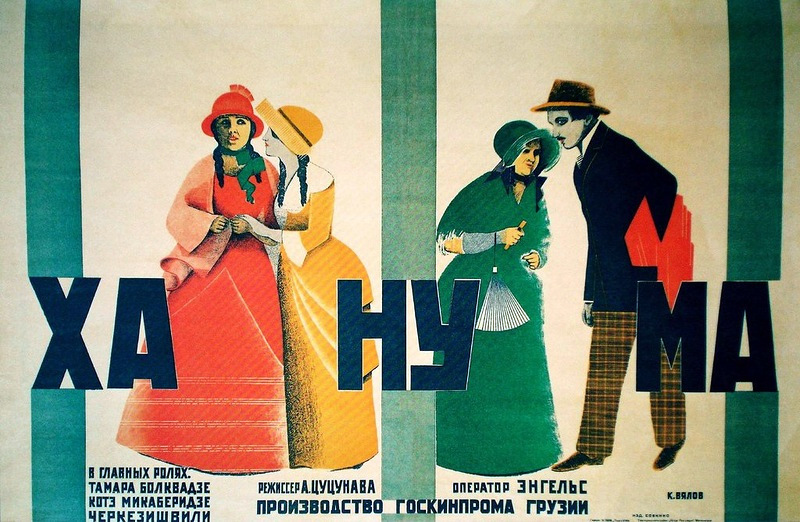
Khanuma (1926).
Middle-aged Prince Levan Pantiashvili was once a wealthy landowner, but he has squandered his entire fortune through a life of revelry and excessive partying. Facing financial ruin, he decides to marry the beautiful Elo, daughter of the rich merchant Adam Varakhidze. However, the young woman is already in love with Ilo, a schoolteacher.
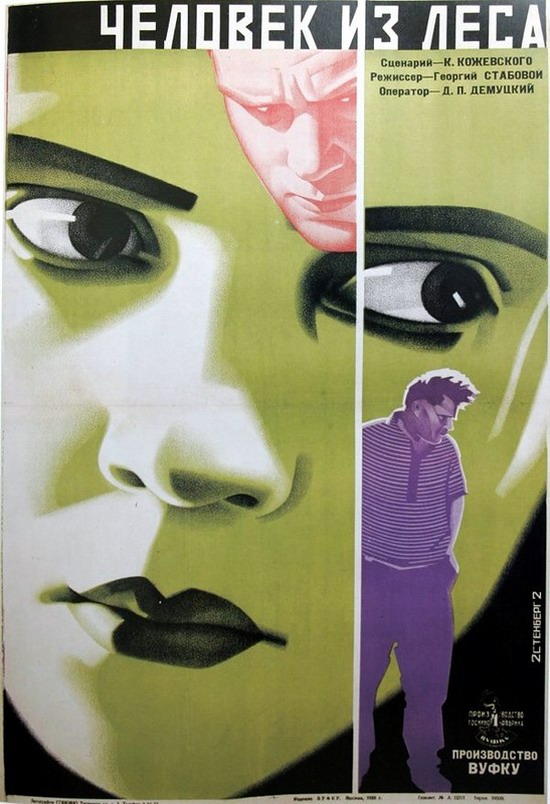
The Man from the Forest (1928).
A drama about the early years of industrialization in the USSR. Poloz, a former White Army soldier disguised as a hunter, hides at a power plant construction site, plans sabotage, and kidnaps an engineer’s child. The film is currently considered lost.
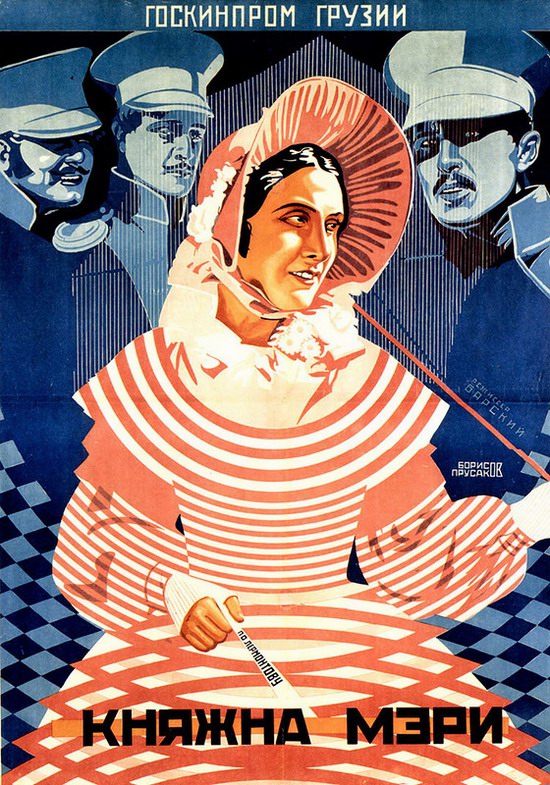
Princess Mary (1926).
A silent-film adaptation of Mikhail Lermontov’s story “Princess Mary.” In 19th-century Pyatigorsk, the refined world of high society is thrown into turmoil by the arrival of Pechorin from St. Petersburg, whose love affair with Mary sparks scandal and controversy.
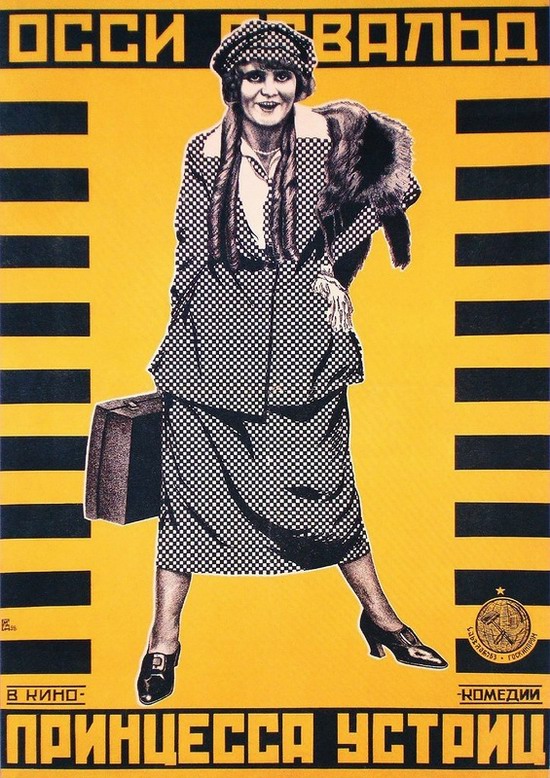
The Oyster Princess (Germany, 1919).
An American heiress courts an impoverished German prince.
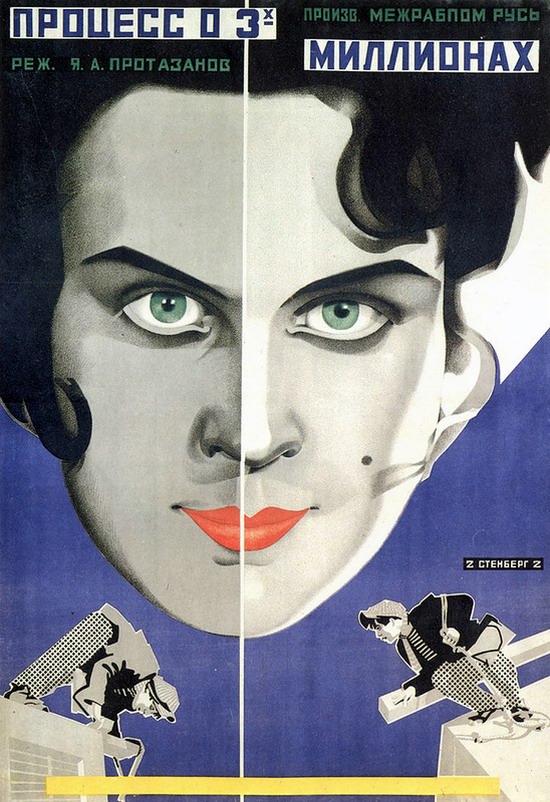
The Three Million Trial (Three Thieves) (1926).
Who is the real thief – a street pickpocket, a society lion, or a banker? The one who steals in small amounts is branded a thief, while the man with greater prospects is hailed as a winner.
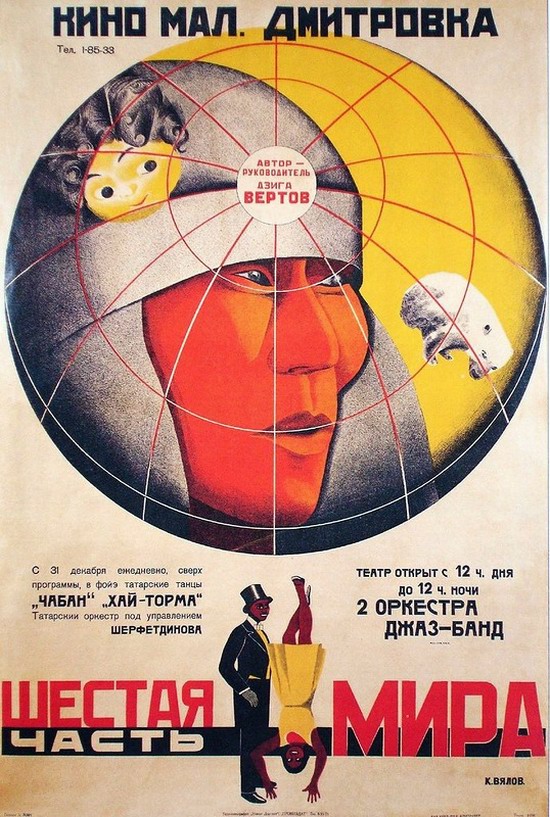
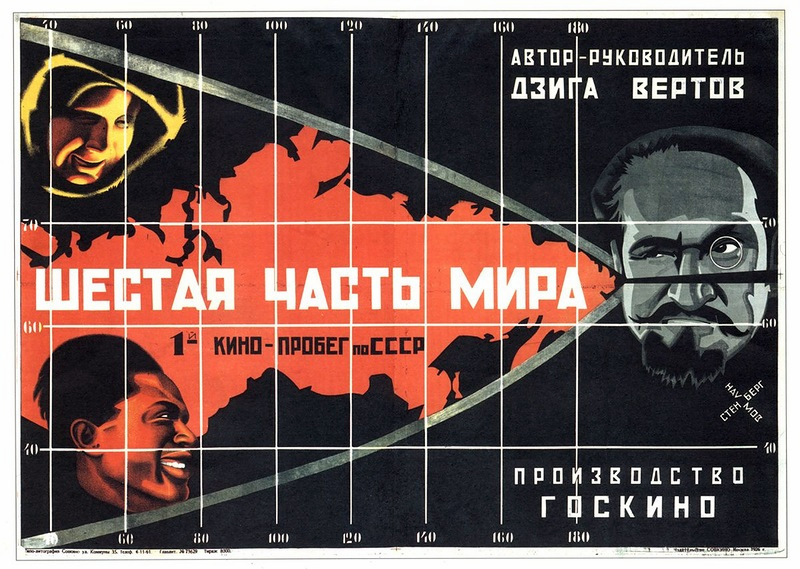
The Sixth Part of the World (1926).
“A Sixth Part of the World” matched the vast scale of the Soviet Union of its time. It was composed of many peoples with diverse customs – spanning ice and desert, forest and ocean. Bread, furs, machines: each and every one formed part of a greater unity.
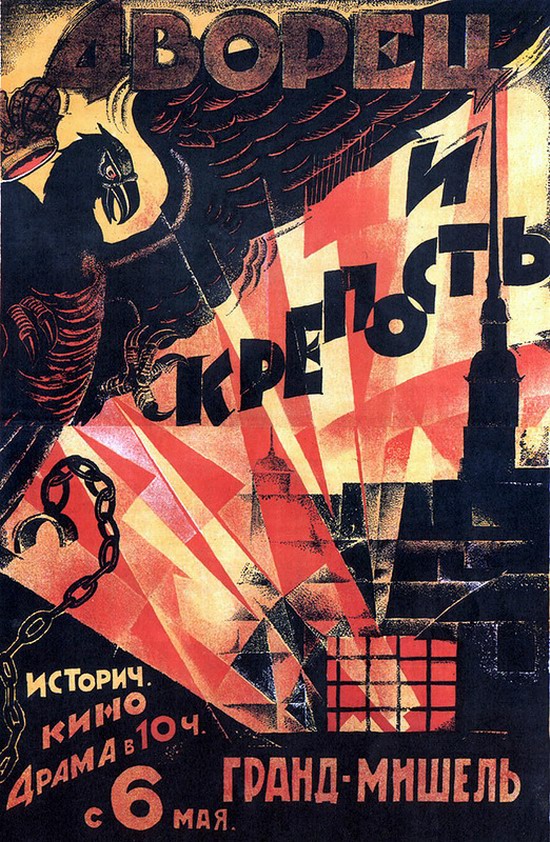
The Palace and the Fortress (1924).
It portrays themes drawn from the 1924 biographical film about Mikhail Beideman, a revolutionary democrat who spent decades imprisoned in the Peter and Paul Fortress under the Russian Empire.
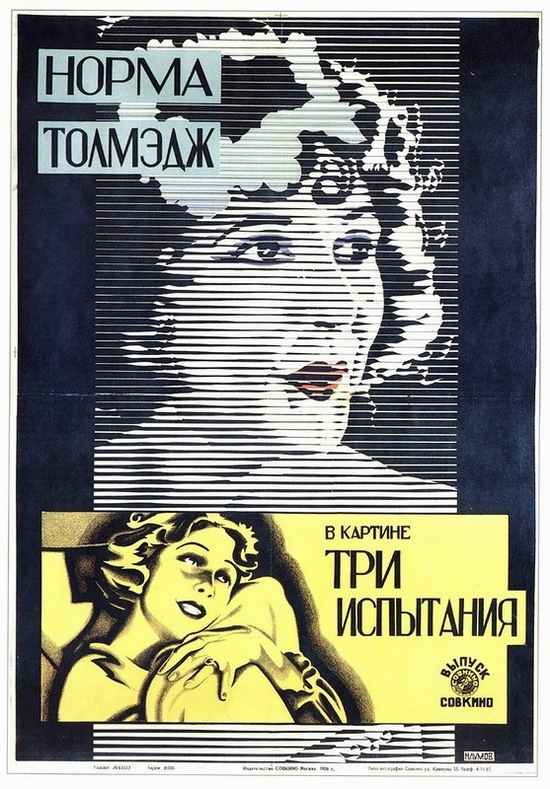
Secrets (Three Tests) (Hollywood, 1926).
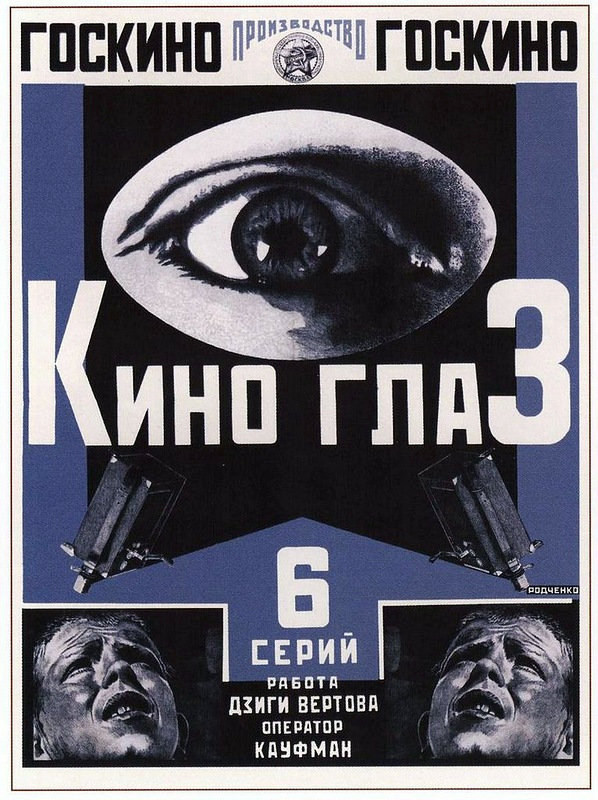
Kino-Eye (1924).
This documentary celebrates the joys of village life in the Soviet Union and focuses on the activities of the Young Pioneers. The children remain constantly busy pasting propaganda posters on walls, distributing handbills, urging everyone to “buy from the cooperative” rather than the private sector, promoting temperance, and helping poor widows. Experimental sequences, projected in reverse, show a bull being un-slaughtered and bread being un-baked.
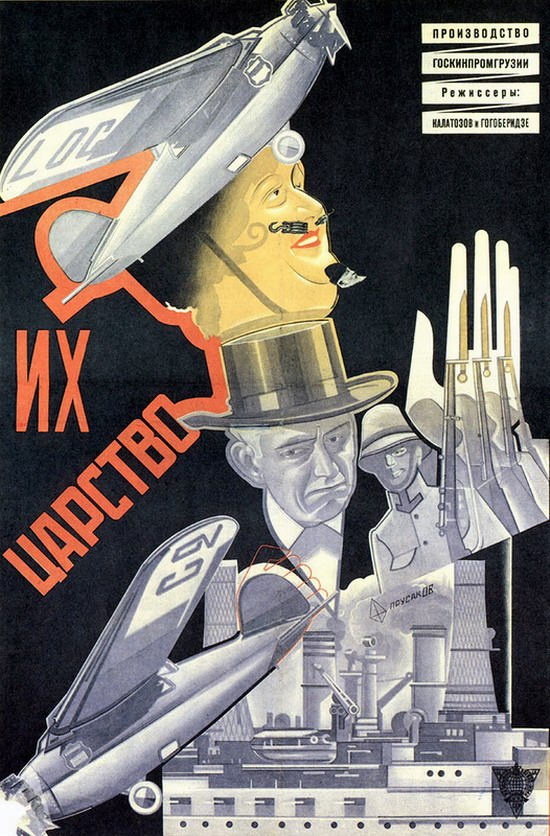
Their Kingdom (1928).
This short satirical documentary criticizes Western capitalism, imperialism, and bourgeois society by contrasting them with industrialization.
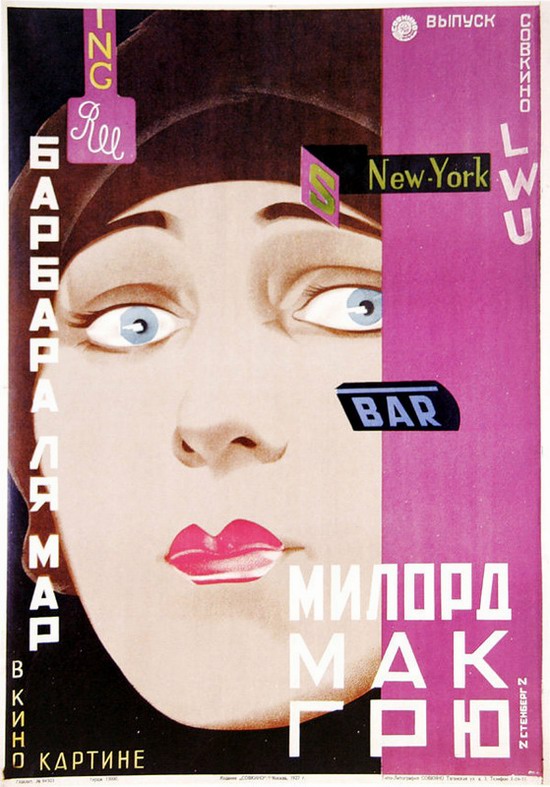
Milord MacGrew (The Shooting of Dan McGrew) (Hollywood, 1924).
Despite the success of Lou’s dance troupe in South America, she urges her husband Jim to move for their young son’s sake. When Dan McGrew offers her a New York stage role and beats Jim in a fight, she flees with him to Alaska and becomes a decoy in the Malamute saloon. Learning she was deceived, Jim follows them to the Klondike, kills McGrew, and the family is reunited.
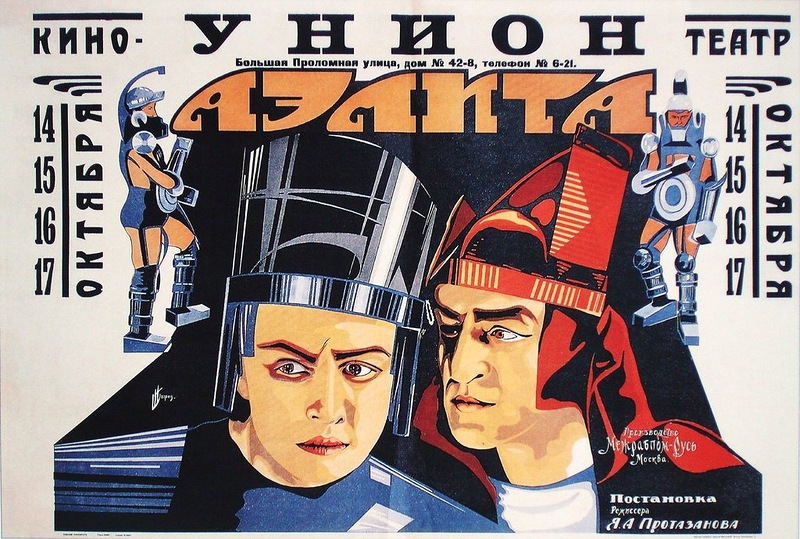
Aelita (Aelita: Queen of Mars) (1924).
It is a loose adaptation of Aleksey Tolstoy’s 1923 novel about a Martian rebellion and an engineer’s journey to Mars.
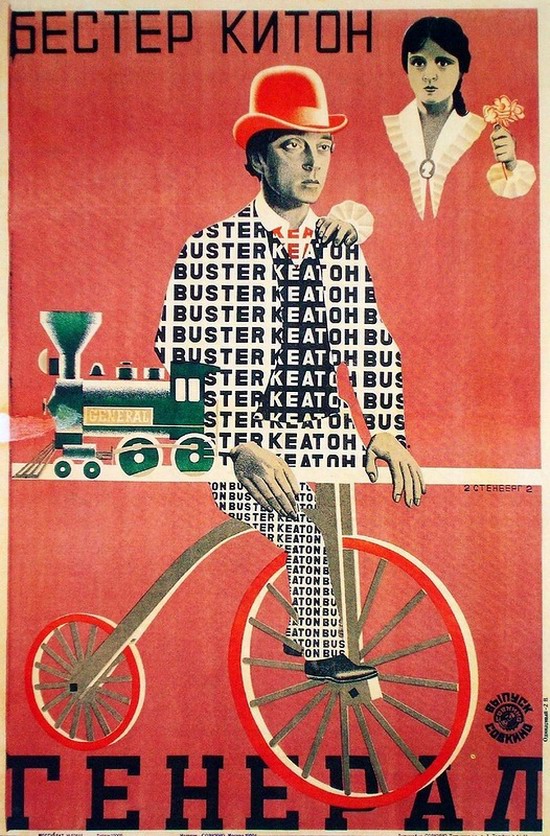
The General (Hollywood, 1926).
Unaware that his rejection by the Confederate army stemmed from his vital civilian role, an engineer must single-handedly recapture his beloved locomotive after Union spies seize it and then drive it back through enemy lines.
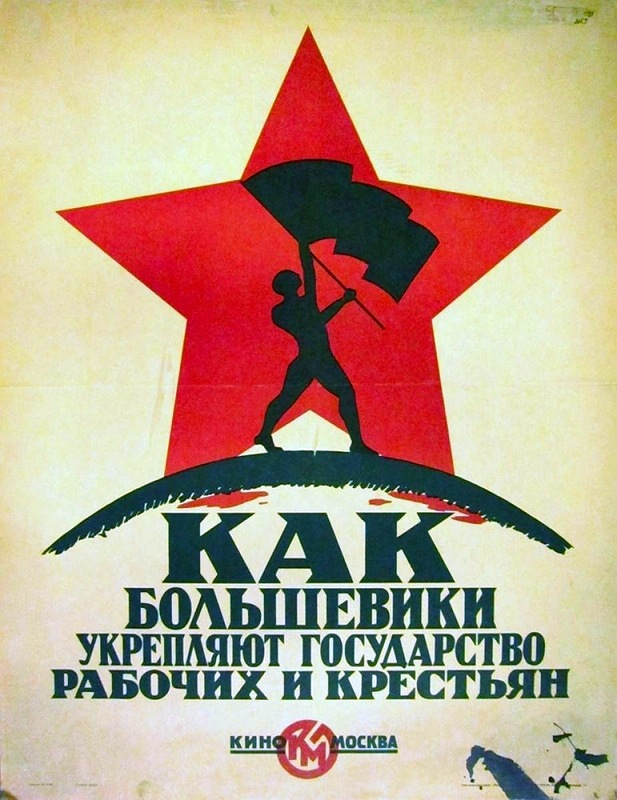
How the Bolsheviks Are Strengthening the State of Workers and Peasants (1924).
A popular science and propaganda newsreel film created as visual propaganda during the formation of Soviet power to demonstrate the successes of the party leadership.

Tags: posters · Soviet past


<< Golden Autumn in the Altai Mountains