The Jewish Autonomous Oblast - Overview
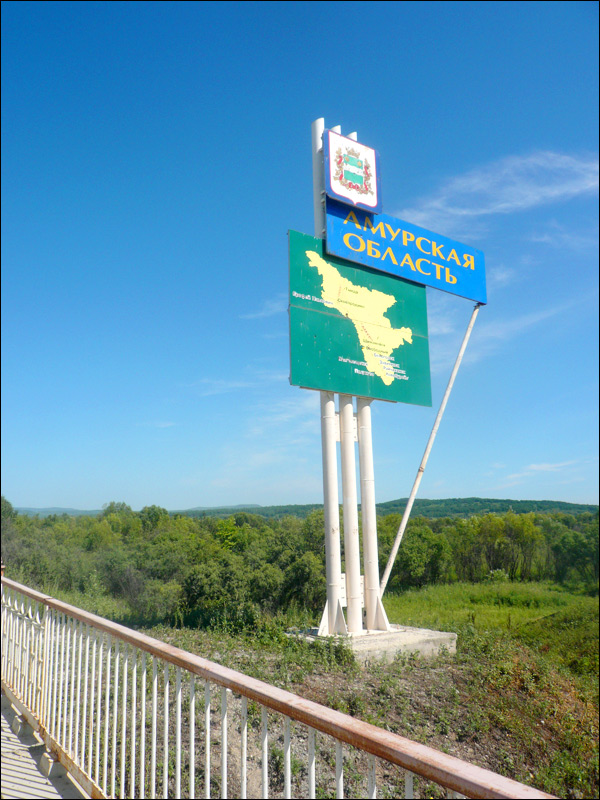
The Jewish Autonomous Oblast is a federal subject of Russia located in the southern part of the Russian Far East, part of the Far Eastern Federal District. Birobidzhan is the capital city of the region.
The population of the Jewish Autonomous Oblast is about 154,000 (2022), the area - 36,266 sq. km.
History of the Jewish Autonomous Oblast
In the Russian Empire, the Jews were an oppressed minority. Anti-Semitism was a state policy. Discrimination and mass pogroms led to the fact that a significant number of the Jews supported the revolutionary events. After the February Revolution of 1917, the Jews were given equal rights with other citizens of the country. During the Russian Civil War, they again suffered greatly from pogroms.
The Bolsheviks thought that the solution of the Jewish issue in Russia was in the “Sovietization” of the Jews - diversion from their usual “bourgeois” activities (finance, trade, small-scale handicraft) and involving them in physical labor. Due to the fact that, as a result of the Civil War, large-scale industry was paralyzed, Sovietization of the Jews could only be done through the conversion of them to peasants. The possibility of creating an autonomous region for the Jews in Russia was mentioned by Lenin in 1919.
Initially it was proposed to organize mass migration of the Jews to the Crimean Peninsula and the area near the Sea of Azov. There was also a project of creating a national autonomy in Belarus. However, in the mid-1920s, the Soviet government policy changed for various reasons. In 1926, the study about the establishment of an autonomy in the Altai region began.
More historical facts…
It was supposed to radically solve the problem of employment of tens of thousands of impoverished Jewish merchants, artisans and craftsmen - the result of the end of the NEP policy. At the same time, the level of anti-Semitism could be decreased because of the resettlement of the Jews from the urbanized European part to the almost deserted area. Also it was planned to improve the demographic situation in this remote region and strengthen the sparsely populated Soviet border with China.
In 1928, a resolution on settling of the Jews on vacant land along the Amur River in the Far East was adopted. In April-May 1928, the trains with the first Jewish settlers began to arrive at Tikhonkaya station. The first Jewish school was opened in the village of Valdgame in November 1929. The American Jewish aid organization ICOR and the Birobidzhan Committee (“Ambidzhan”) helped the development of the region (machines, tools and equipment).
Despite considerable efforts made by the Soviet authorities and foreign aid, the development of the region was very slow. The Soviet leadership hoped that the Jewish population of the Birsko-Bidzhan district would reach 60,000 by 1933 and 150,000 by 1938. However, in 1928-1929, only 2,825 Jews came to the region, of whom 1,725 left Birobidzhan by the end of 1929.
In 1928-1934, 19,635 Jews arrived in Birobidzhan and 11,450 left it. The project of the relocation of the Jews from abroad failed completely. Only 500 foreigners arrived in the region, including 80 from Argentina and 150 from Lithuania.
One of the factors that changed the attitude of the Soviet authorities to this region was the international situation, including the invasion of the Japanese Kwantung Army in Manchuria in September 1931 and the establishment of the puppet state of Manchukuo in February 1932. The strategic importance of the Birobidzhan region that bordered Manchuria increased greatly. The decision on the establishment of the Jewish Autonomous Oblast in May 1934 and additional propaganda campaign helped to overcome the crisis and increase the number of settlers.
On September 1, 1934, the proportion of the Jews constituted 45% of the total population - the maximum percentage in the history of the region. The Jewish community in the West followed the Soviet project. It was of particular interest due to the sharp increase in the persecution of the Jews in Germany and the obstacles to their emigration to Palestine, European countries and the United States.
Jewish organizations sent a proposal to the Soviet government to take in the Jewish refugees from Germany, promising to support the project financially. However, the reaction of the Soviet authorities was ambivalent. Later, this work was minimized due to the increase of mass terror. In 1931-1936, only 1,374 foreigners came to the region, some went back, and many of the remaining were arrested and sent to labor camps during mass repression. Also the region had no legally operating religious organizations and synagogues.
According to the 1939 census, the population of the Jewish autonomy was 108,938 people, including 17,695 Jews (16.2%).The postwar period was marked by a short time support of the Jewish national movement. In 1947, the first synagogue was opened in Birobidzhan. In 1948, the repression against the leaders of the Jewish culture and the anti-Semitic campaign against “cosmopolitans” began, which negatively affected the development of the region.
In the 1970-1990s, most of the Jewish population left this region. Today, about 15,000 of repatriates live in Israel, over 5,000 of them live in the city of Maalot. After conversion of all the other autonomous oblasts into republics in the early 1990s, the Jewish Autonomous Oblast remained the only autonomous oblast in the Russian Federation. By the end of the 1990s, it became one of the poorest regions in the country.
Today, the region is formally a Jewish autonomy, but in fact is a multi-ethnic subject of Russia, and the Jewish influence is limited because the local Jewish population is very small. The low proportion of the titular nation and the overall low population of the region led to the appearance of a project of abolition of the Jewish Autonomous Oblast.
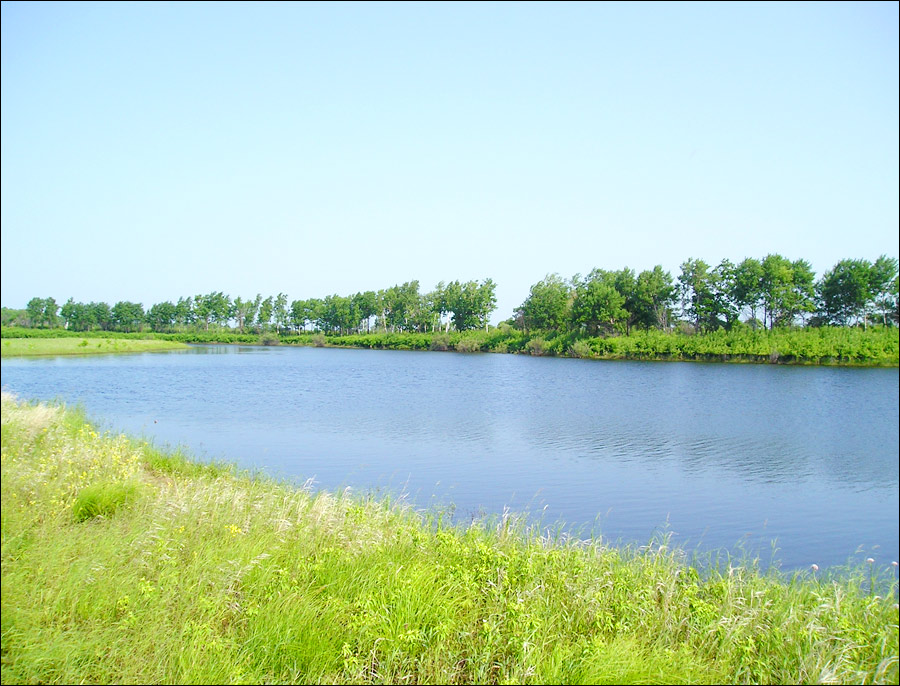
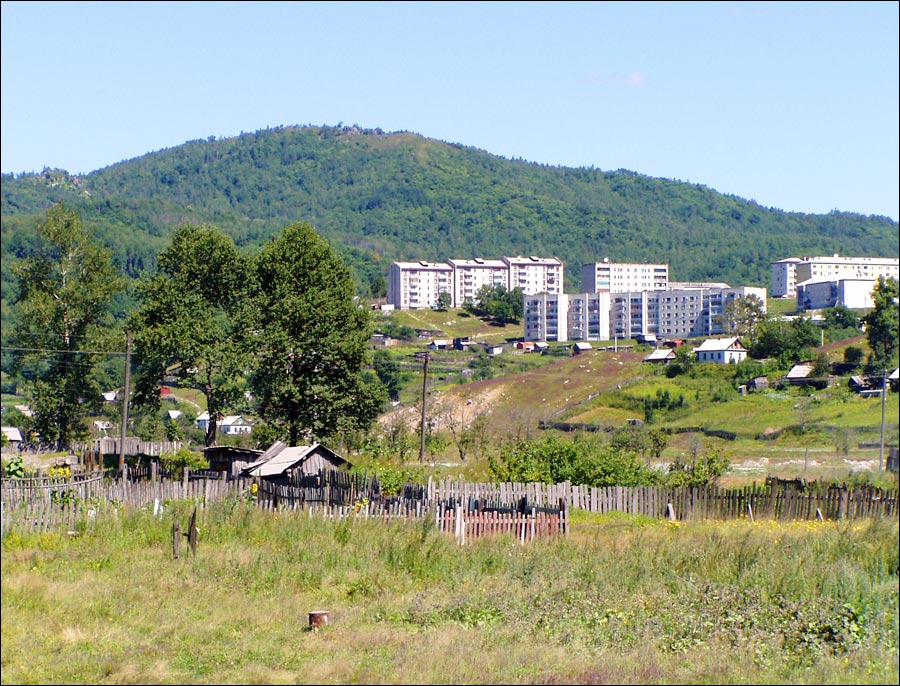
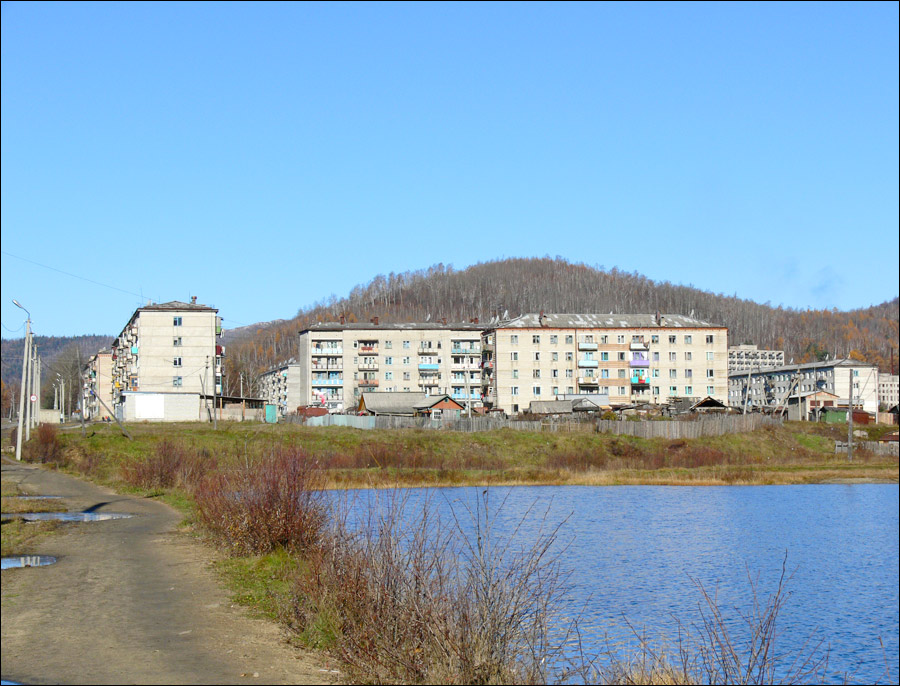
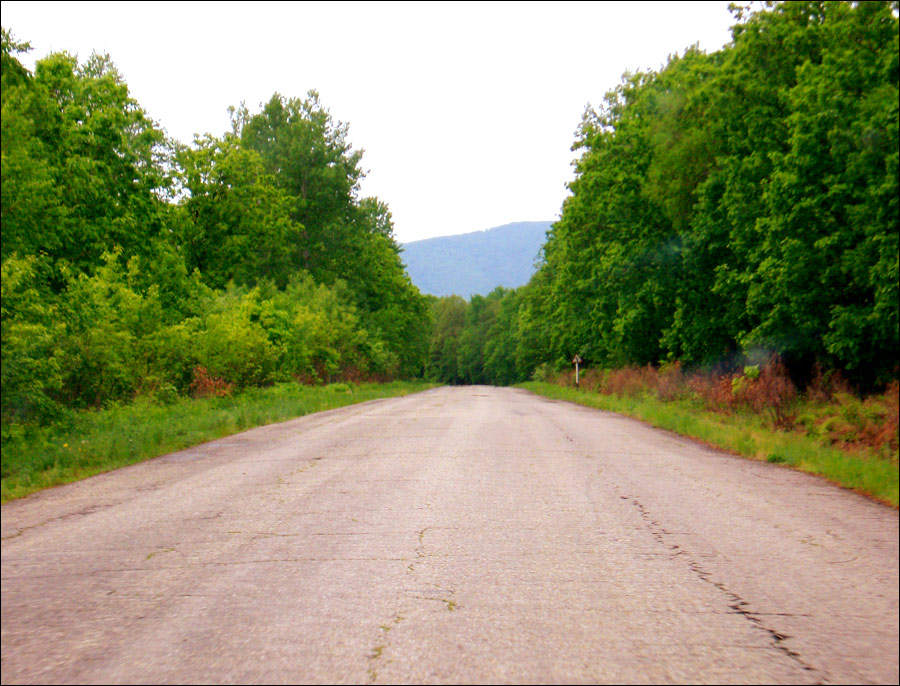
Nature of the Jewish Autonomous Oblast
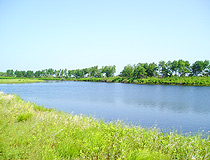
Nature of the Jewish Autonomous Oblast
Author: Ezerskiy Feliks
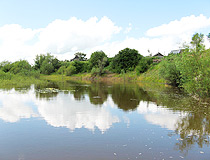
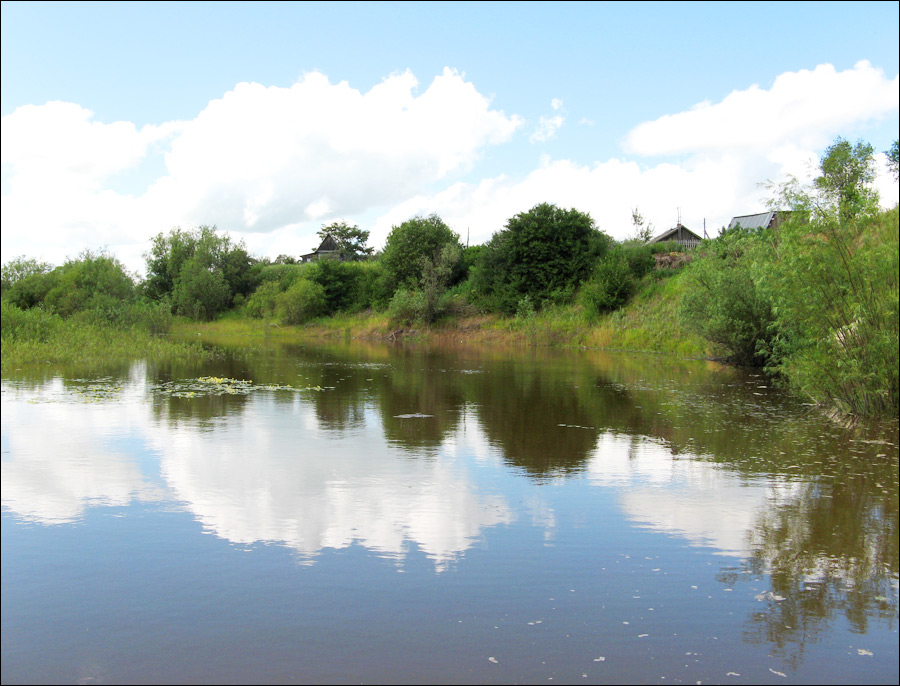
Summer in the Jewish Autonomous Oblast
Author: Ezerskiy Feliks
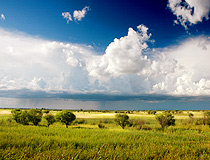
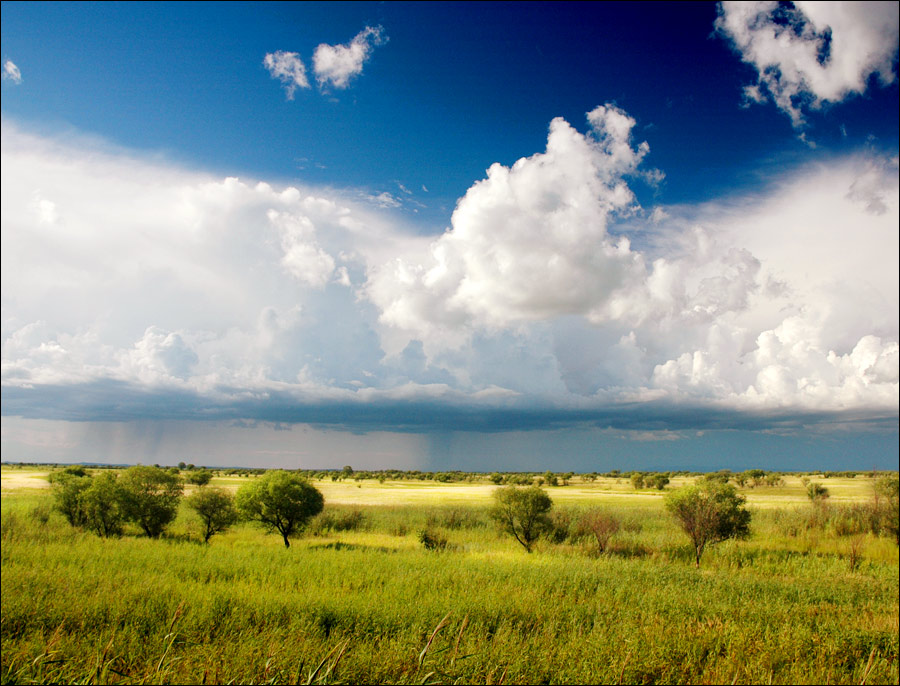
Beautiful scenery of the Jewish Autonomous Oblast
Author: A.Shpak
The Jewish Autonomous Oblast - Features
The Jewish Autonomous Oblast differs from other national autonomies of Russia because of its unique history. It is the only subject of the Russian Federation with the status of an autonomous oblast and the only one in the world, in addition to Israel, Jewish administrative territorial entity with a formal legal status (even if it is formal, with small Jewish presence).
Due to its natural and climatic conditions, this region belongs to one of the most favorable places to live in the Far East of Russia. The climate is temperate, monsoon. Winters are with little snow and cold (the average temperature in January ranges from -19 degrees Celsius in the extreme south to -25 degrees Celsius in the mountains), summers are warm and humid.
Two types of relief predominate - mountains and plains. Mountain areas belong to the southern part of the vast Khingan-Bureya Highlands, which occupies about half of the total area of the region in the north and west. The highest point is Mount Studencheskaya (1,421 m). The flat part, which extends in the south and east, is the western edge of the Middle Amur Lowland. In the south, the region borders with China (along the Amur River).
The Amur, one of the greatest rivers on the continent, flows through the southern part of the region for 584 km. The width of the Amur at the western border of the region (near Pashkovo) reaches 1.5 km, and 2.5 km - at the eastern border. The Trans-Siberian Railway passes through the region from west to east.
The national composition according to the 2010 Census: Russians (92.7%), Ukrainians (2.8%), Jews (1.0%).
The Jewish Autonomous Oblast - Mineral Resources and Economy
This region has one of the richest concentrations of mineral resources in Russia. Deposits of more than 20 mineral resources are explored on the territory of the Jewish Autonomous Oblast, including large deposits of iron, manganese, tin, gold, graphite, brucite, magnesite, zeolites. There are sources of mineral waters. However, the potential of the region is not fully understood and explored.
Dense forests cover a significant part of the territory of the Jewish Autonomous Oblast. The total area of forest land is 1.7 million hectares, 165,000 hectares are occupied by cedar deciduous forests, 250,000 ha - spruce-fir forests, 165,000 ha - larch forests, 347,000 ha - oak forests. The stock of timber is 202 million cubic meters.
The fauna is diverse: brown and Himalayan bears, Amur tigers, Nepalese martens, foxes, weasels, sables, wild boars, elks, red deer, pheasants, ducks. The State Natural Reserve “Bastak” is located on the territory of the Obluchensky, Birobidzhansky and Smidovichsky districts.
Favorable soil and climatic conditions, a significant length of the growing period, an abundance of precipitation during the warm period of the year allow growing of different crops - grains and legumes (including soy and corn), vegetables, potatoes and melons. Meat and dairy farming, poultry farming are also important sectors of agricultural production.









The comments of our visitors