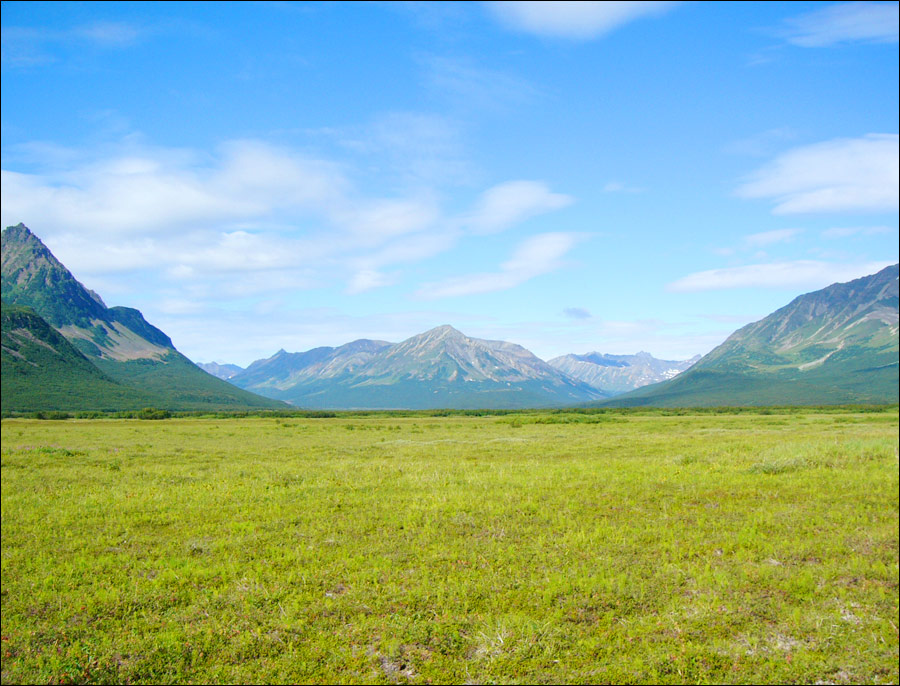
Chukotka Autonomous Okrug - Overview
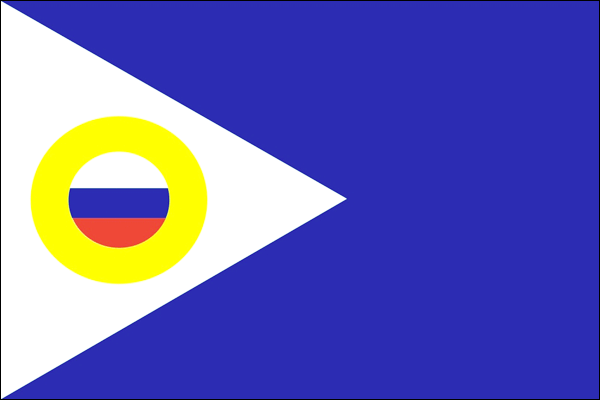
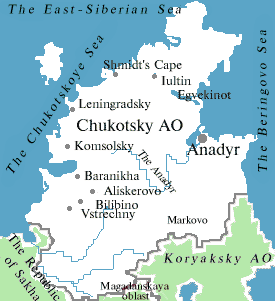
Chukotka Autonomous Okrug or just Chukotka is a federal subject of Russia located in the Far East, bordering with the United States by sea in the east, part of the Far Eastern Federal District. Anadyr is the capital city of the region.
According to the Federal State Statistics Service of Russia, the population of Chukotka is about 47,800 (2025), the area - 721,481 sq. km.
History of Chukotka
The first people came to Chukotka tens of thousands of years ago during the Stone Age. These were primitive hunters from more southern regions of Central and Eastern Asia. In those days tundra of North-East Asia and Alaska were a single natural region of Beringia with forests, herds of mammoths, woolly rhinoceroses, bison, reindeer.
In contrast to the mythical Atlantis, Beringia went under water about 10 thousand years ago. The earliest found ancient man sites in Chukotka are Ananayveem on the Ananayveem River (about 8,400 years ago) and Koolen IV on Lake Koolen near the village of Uelen (about 6,000 years ago).
In historical time the Chukchi are considered the indigenous people of Chukotka, although they preserved the memory of the more ancient people called the Onkilons. Reindeer husbandry played an important role in the rise of the Chukchi. The first encounter with the Russians happened in 1641, to the west of present Chukotka on the Yana River. By this time, the Chukchi were still at the technological level of the Stone Age.
Chukotka itself was discovered by the Russians during an expedition of Semyon Dezhnev in 1648. Anadyr fortress, founded in 1649, became the first Russian settlement. In the era of Russian colonization of Chukotka, it belonged to Yakutsk province. In 1778, the official peace treaty was signed between the Russians and the Chukchi.
In 1930, Chukotka national region was formed. In 1980, it became autonomous. In 1992, Chukotka autonomous region withdrew from the Magadan region and became a separate subject of the Russian Federation. Today, it is the only autonomous okrug that is not part of any region of Russia.
Nature of Chukotka
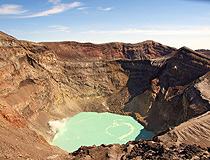
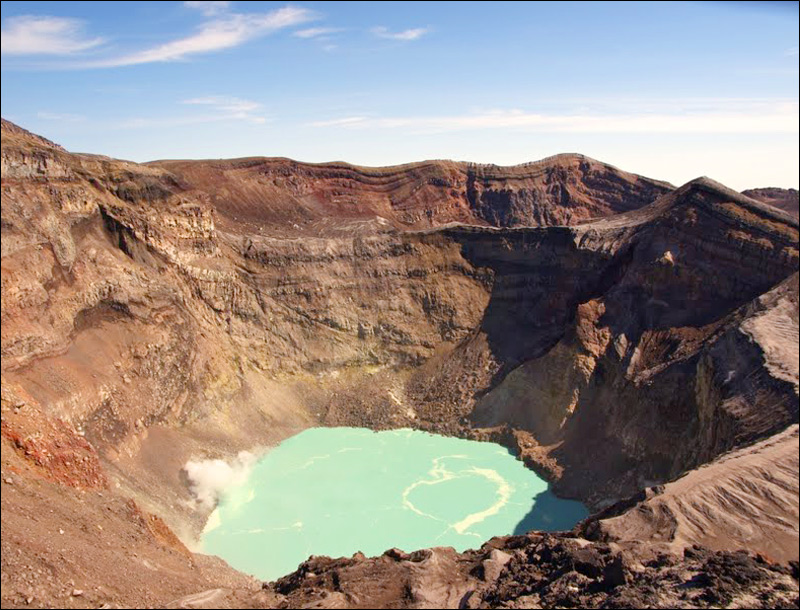
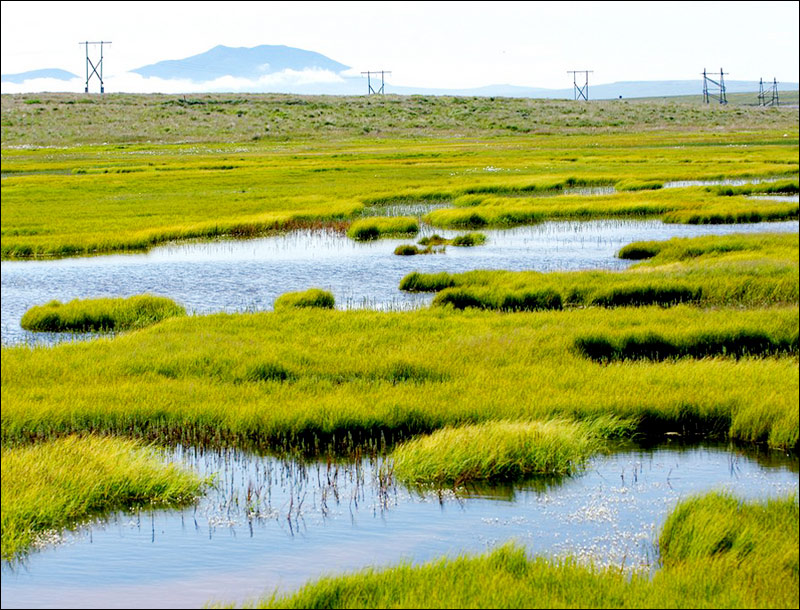
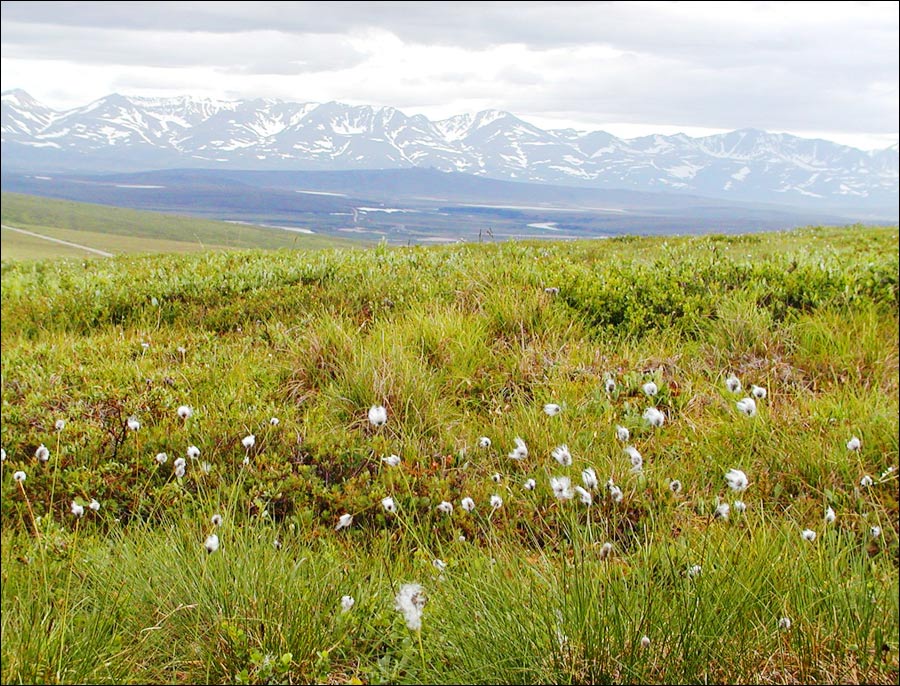
Chukotka scenery
Author: Vorobyov Maksim
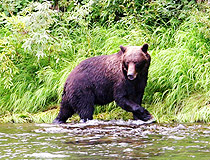
Bear in Chukotka
Author: Stanislav Stepanov
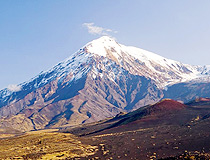
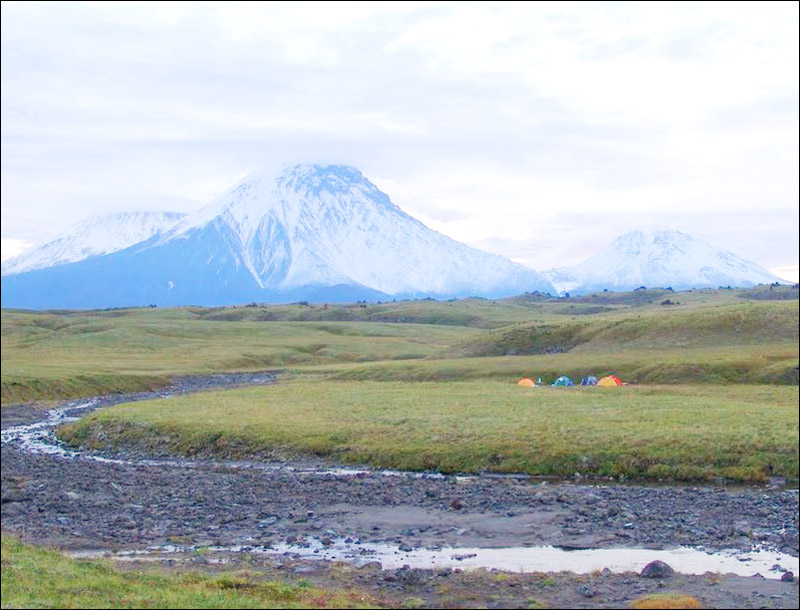
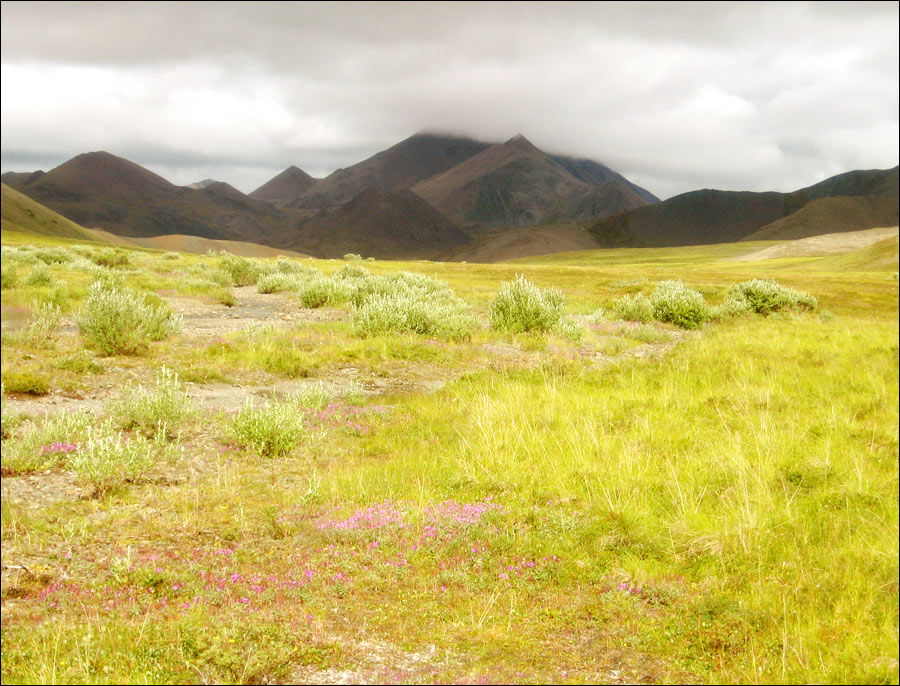
Mountain in Chukotka
Author: Vorobyov Maksim
Chukotka - Features
The entire territory of the Chukotka Autonomous Okrug refers to the Far North. Pevek, the northernmost town in Russia, and Anadyr, the easternmost town, are located here. Chukotka occupies the entire peninsula of Chukotka and a number of islands (Wrangel, Ayon, Big Diomede and others). The region is washed by the East Siberian and Chukchi Seas of the Arctic Ocean and the Bering Sea of the Pacific Ocean.
Most of the region is located above the Arctic Circle. Therefore, the climate is harsh, subarctic, on the coast - maritime, in the hinterland - continental. Winter lasts up to 10 months. The average temperature in January varies from -15 to -39 degrees Celsius, in July - from +5 to +10 degrees Celsius, the absolute minimum - minus 61 degrees Celsius, the absolute maximum - plus 34 degrees Celsius. A lot of climatic records were registered in Chukotka.
The territory of Chukotka is rich in water resources. There are more than 8,000 rivers longer than 10 km, most of them are mountain rivers. The main rivers are the Anadyr, Omolon, Velikaya, Amguema, Bolshoi, and Maly Anyui. The largest lakes are Krasnoye, Maynits, Pekulneyskoe and unique Lake El’gygytgyn, the study of which allows people to understand what was the climate of the Earth thousands of years ago.
Chukotka has large reserves of natural resources: oil, natural gas, coal, gold, tin, tungsten, quicksilver. Mining industry is the basis of the local economy. The indigenous population is engaged in traditional crafts.
The main focus of agriculture in the region is reindeer herding. Chukotka reindeer herd is one of the largest in the world. In 1970, it reached its maximum - 587 thousand (a quarter of the world population of reindeer). In 2010, the number was about 195 thousand.
Tourism in Chukotka
Tourism is based on expeditions, cruises, ethno-tourism. Cruises attract the largest number of visitors, mainly foreigners. The main attractions are located in the border area. Foreigners need to get permission of the Federal Security Service of Russia to visit Chukotka.
Today, paved roads are available only in the towns and adjacent villages; throughout the rest of the territory of Chukotka winter roads are used - unpaved roads, where movement is possible only in winter. Chukotka also has no railways. The main means of transport for long-distance transportation are sea and air. Despite the proximity of Alaska, there are no regular air and sea links.
Traveling by waterways provides an excellent opportunity to see the beautiful nature of Chukotka. Kayaking and boating are possible in July and August, in the rest of the year the rivers are either covered with ice or too shallow.
Cruises are available along the coast of Chukotka and Providence districts (mostly American, Canadian and Russian tourists). They include visiting unique natural sites, historical and cultural monuments: the Whale Alley on Yttyrgan Island, Lorin hot springs, ethnographical places on Nunyamo and Dezhnev capes, national settlements.
Also cruises along the coast of Anadyr and Bering districts become more and more popular. For tourists visiting Anadyr in summer there are tours in Onemen Bay, Kanchalin estuaries, Anadyr estuary and mouths of the Anadyr and Velikaya rivers. Chukotka has a lot of hunting places.
Every year a large number of Russian and foreign scientists visit Chukotka and conduct research in various fields of science. Several scientific expeditions are constantly working in the region. The camps of reindeer-breeders in Shmidt and Iultinsky districts and settlements on the coast attract ethnographers and linguists who study the peoples of the Far North. Ornithologists are frequent guests in Chukotka too, more than 250 species of birds live here.
Chukotka is mostly hilly territory with low- and middle mountain relief. Under these conditions walking and biking tours of various complexity are possible in summer. Famous extreme travelers consider Chukotka one of the most difficult and interesting regions in the world.
Souvenirs of Chukotka:
- Products made of walrus tusk, reindeer antler and whalebone,
- Bags, wallets, gloves, slippers made of reindeer and seal fur,
- Eskimo balls,
- Rozetochki (ornaments on the neck) made of reindeer and seal fur.