Belgorod Oblast - Overview
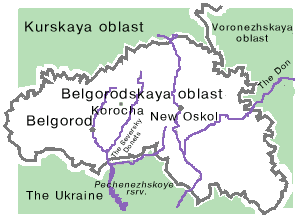
Belgorod Oblast (Belgorodskaya) is a federal subject of Russia, part of the Central Federal District. It is located in the south-west of the country on the border with Ukraine, about 500-700 km south of Moscow. Belgorod is the capital city of the region.
According to the Federal State Statistics Service of Russia, the population of Belgorod Oblast is about 1,482,000 (2025), the area - 27,134 sq. km.
History of Belgorod Oblast
From the 8th century, the territory of the present Belgorod region was part of the Khazar khanate. In 965, after the Kievan Prince Svyatoslav Igorevich attacked the khanate, the Slavic tribe union of northern people residing also in the upper Seversky Donets River became part of the ancient Russian state.
From the 12th century, this land was part of the principality of Chernigov. The invasion of the Mongols led to the complete devastation of the region. In the 15th century, Grand Duchy of Lithuania captured the Chernigov-Severskaya region including land along the Donets and Oskol rivers.
In 1500, Vasily Ivanovich Shemyachich, the owner of the land, went into the service of Ivan III Vasilyevich, Grand Prince of Moscow. Since that time, the Donets-Oskol forest-steppe (the territory of the present Belgorod region) played an important role in protecting Russia against the raids of the Crimean Tatars.
More Historical Facts…
At the end of the 16th century, the first three walled towns were built in the region: Belgorod, Stary Oskol and Valuyki. In 1650, Belgorod was moved to the right bank of the Severny Donets, where the center of the city is located today. In 1727, Belgorod guberniya (province) was formed.
With the weakening of the Crimean Khanate, the region transformed into an agrarian province of the Russian Empire. In 1869, the Kursk-Kharkov-Azov railroad passed through the territory of the region.
During the First World War, after the signing of the Peace of Brest (a separate peace treaty between Soviet Russia and the Central Powers), from April 1918 to January 1919, most of the region was occupied by the Kaiser troops and became part of the Ukrainian State of Hetman P. Skoropadsky (part of the Kharkov province).
In 1919, during the Civil War in Russia, the Red Army fought against the troops of the armed forces of the Russian south in the southern part of the region. In 1928, the territory of the present Belgorod region became part of a newly formed Central-Chernozyomnaya oblast.
In 1934, it was divided into separate Voronezh and Kursk regions. In the 1930s-1940s, the development of the Kursk Magnetic Anomaly (a huge iron ore deposit) started.
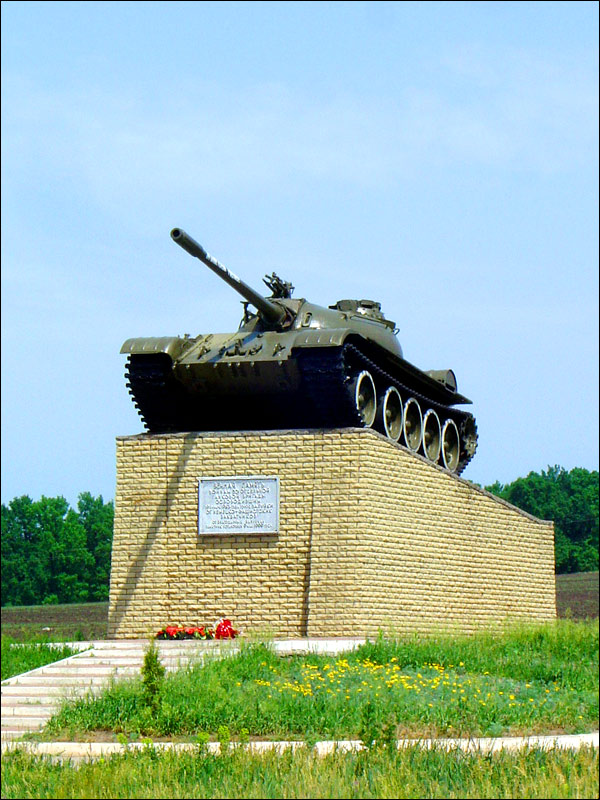
In 1941-1943, during the Second World War, the region was under German occupation. It was liberated as a result of the famous Battle of Kursk. During the battle, the village of Prokhorovka became the site of the largest tank battle in history.
January 6, 1954, a separate Belgorod Oblast was formed. 23 districts of the Kursk region and 8 districts of the Voronezh region became parts of it.
Nature of Belgorod Oblast
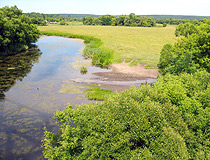
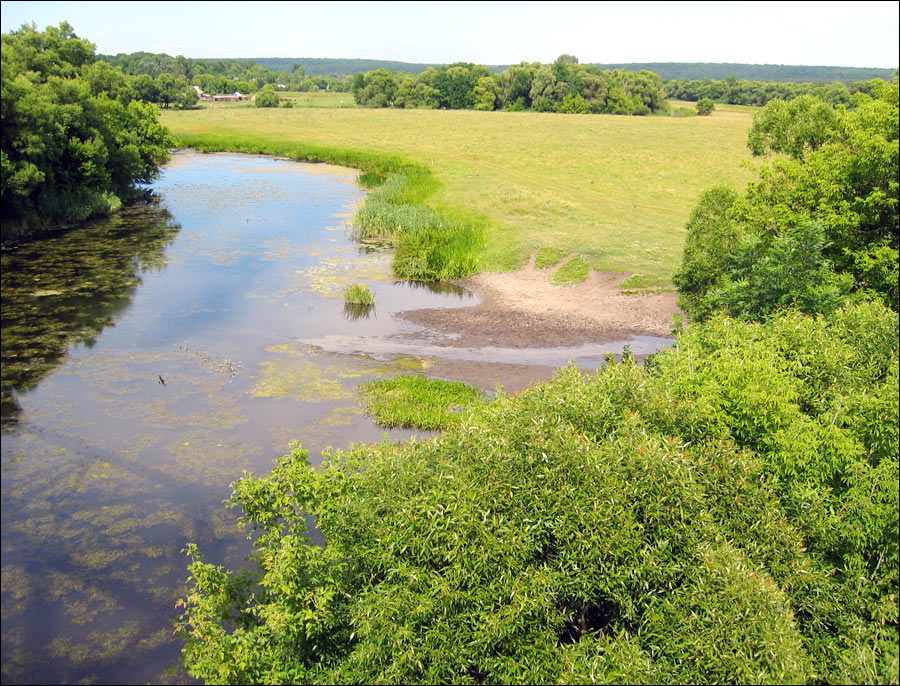
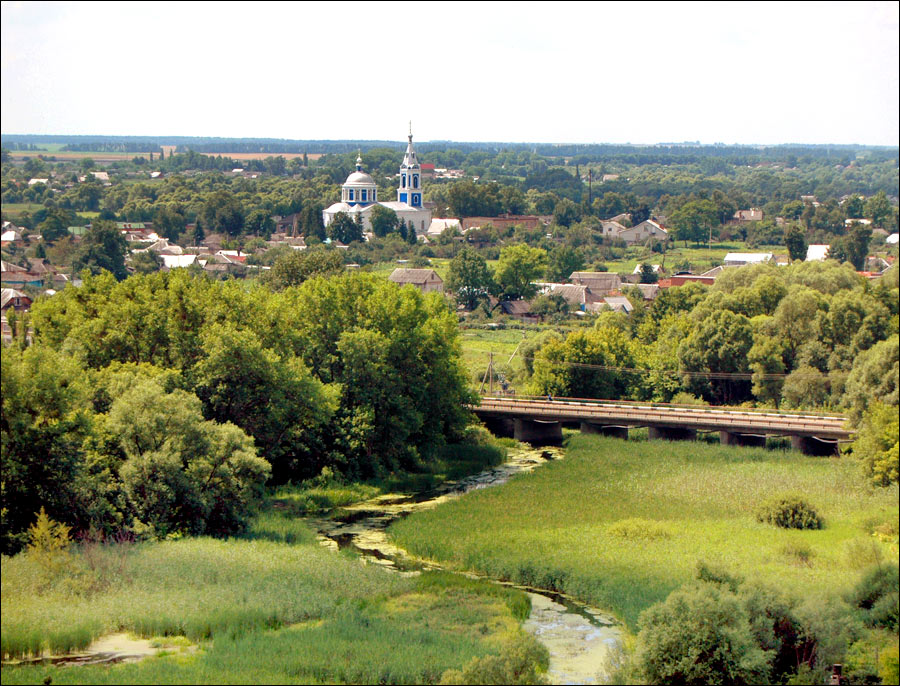
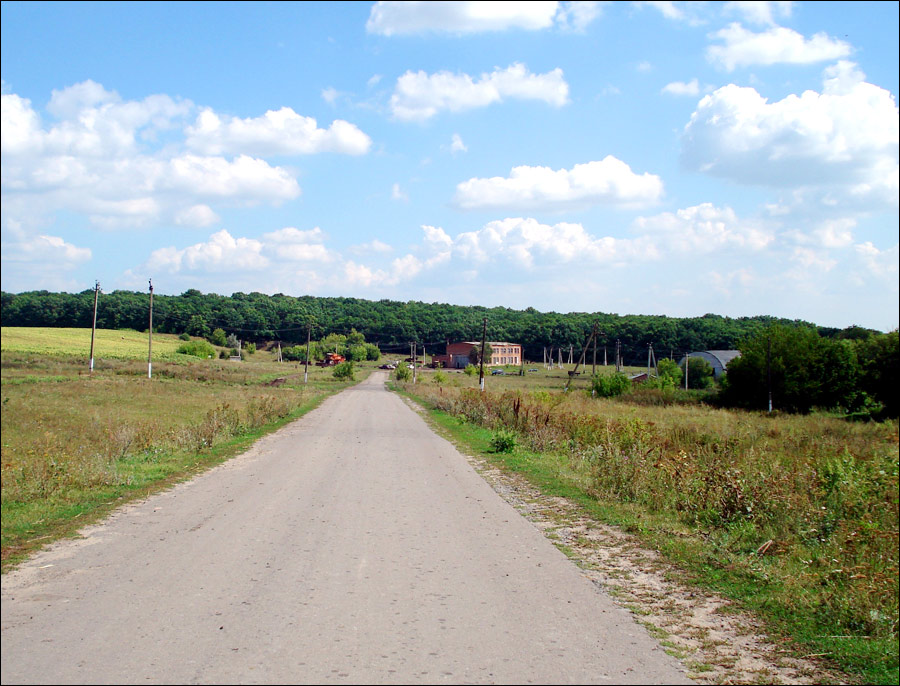
Belgorod Oblast landscape
Author: Loskutov Pavel
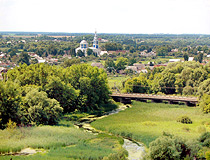
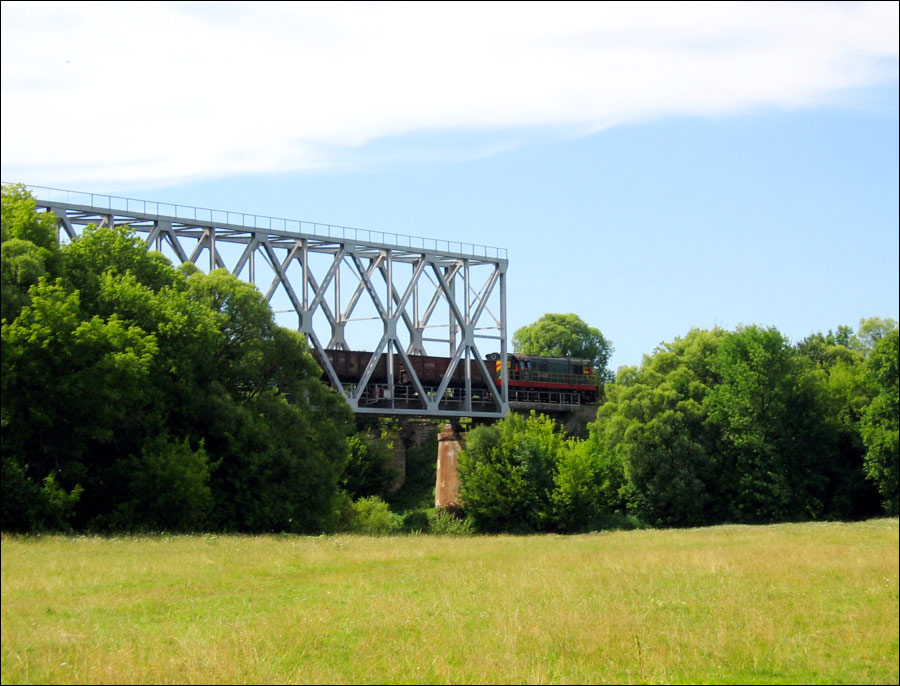
Belgorod Oblast scenery
Author: A.Korzeev
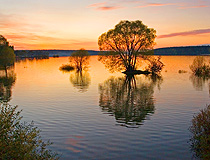
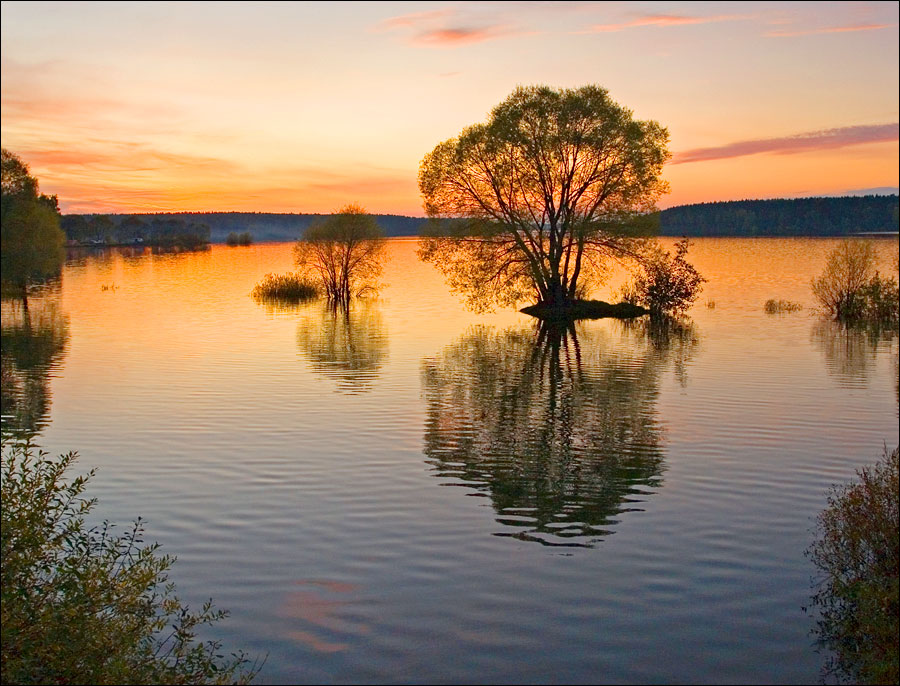
Sunset in the Belgorod region
Author: Stanislav Sedov
Belgorod Oblast - Features
The length of Belgorod Oblast from north to south - about 190 km, from west to east - 270 km. The total length of the border with Ukraine is 540 km. The climate is temperate continental. Winters are mild with snowfalls and thaws, summers are long and hot.
Belgorod Oblast is a highly developed industrial and agricultural region, which economy is based on the vast reserves of natural resources (about 40% of all known Russian deposits of iron ore, bauxites, apatites, mineral waters) and fertile black soil.
The total area of agricultural lands is about 2,700 thousand hectares. Belgorod oblast is one of the leaders in pork and poultry production, grain yields in Russia. In 2010, Russia’s first solar power plant was opened here. The region traditionally has strong economic ties with neighboring Ukraine.
The largest cities and towns are Belgorod (391,800), Stary Oskol (222,600), Gubkin (85,600), Shebekino (39,700), Alekseevka (37,000), Valuyki (34,200). Belgorod Oblast is an important transport hub - the federal highway M2 “Crimea” and the railway “Moscow-Kharkov-Sevastopol” pass through the territory of the region.
Attractions of Belgorod Oblast
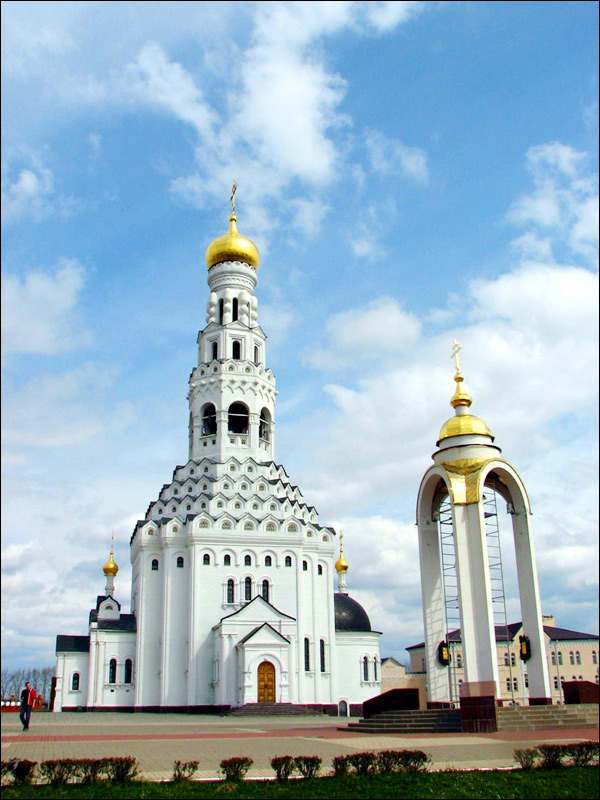
- The belfry on Prokhorovka Field,
- Pansky oak - a 550-year-old oak tree in Shebekinsky district,
- Belogorie Nature Reserve,
- Kholkovsky underground monastery in Chernyansky district,
- The village of Vatutino (the birthplace of Soviet military commander N.F. Vatutin),
- The village of Khvorostyanka (the family estate of N.N. Raevsky, Russian military commander and hero of the Patriotic War of 1812),
- Krapivinskoye settlement - a monument of archeology, the remains of one of the largest towns of Kievan Rus,
- Dmitrievsky settlement - a settlement of Alans of the 8th-9th centuries,
- Shopping arcade in the town of Biryuch,
- Belgorod Museum of Folk Culture in Belgorod,
- Shebekinsky History and Art Museum with a collection of paintings made by famous artists of the 19th-20th centuries,
- Barkov’s mill - a six-storey wooden mill in the village of Novoivanovka in Volokonovsky district,
- Transfiguration Cathedral in the town of Gubkin.