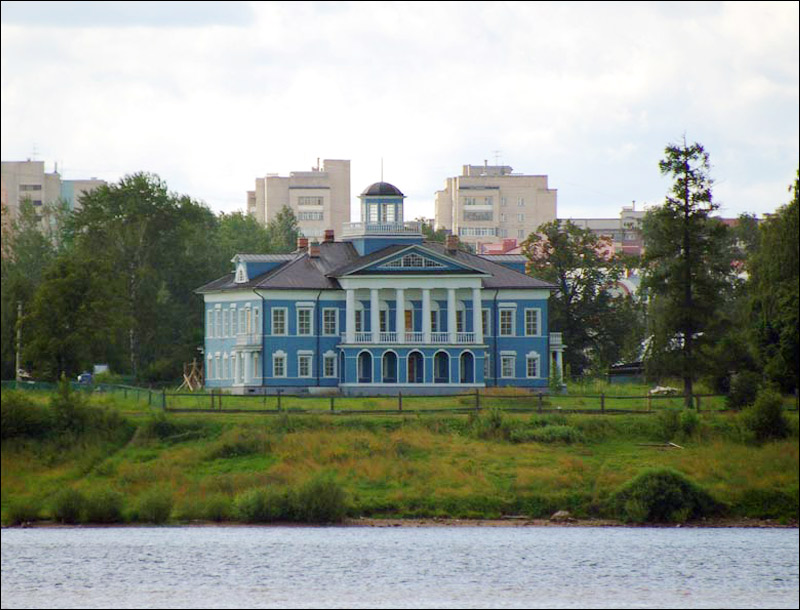
Cherepovets - Overview
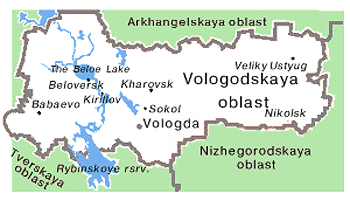
Cherepovets is the largest city in the Vologda region of Russia. It is among those rare Russian cities which population and level of industrial development is larger than in the capital cities of the regions of their location.
The city is a river port on the Sheksna River, a tributary of the Volga River. The distance from Cherepovets to Vologda is 126 km, to Moscow - about 505 km, to Saint Petersburg - 460 km by railway, and 530 by highway.
The population of Cherepovets is about 309,400 (2022), the area - 121 sq. km.
The phone code - +7 8202, the postal codes - 162600-162627.
History of Cherepovets
Cherepovets was first mentioned in chronicles in 1362. It was the year when Cherepovetsky Resurrection Monastery was founded. During 400 years of its history, the monastery was destroyed several times by the Polish-Lithuanian invaders.
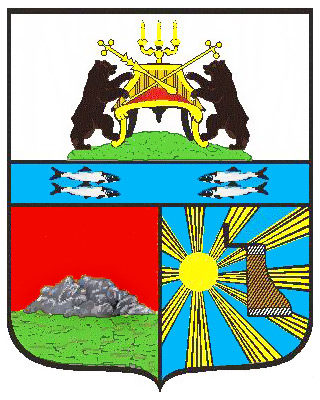
In 1777, Cherepovets became a town. In 1811, the coat-of-arms was adopted. The town was part of Novgorod gubernia. The main crafts of locals were navigation, shipbuilding and -repairing. Due to navigable water ways, the trade was developed too.
During the first ten years of the 20th century, Cherepovets continued to grow. By 1904, the railway station was built. In 1911, the harbor was constructed.
More Historical Facts…
In 1930s, the government of the USSR declared the construction of the Volga-Baltic Canal, Rybinsky Water Reservoir and a metallurgic plant in Cherepovets. Unlike most of metallurgic plants usually built on “raw materials” sources, close to ore deposits, Cherepovetsky plant was built on the crossroads of water- and railways connecting the city with ore deposits of Kola Peninsula and coal of Vorkuta.
In 1952, the first blast furnace was built and, on August 24, 1955, first cast iron was produced - this day is considered the birthday of Cherepovets metallurgic plant. In 1952, the first open-hearth furnace was put into operation, and it was the start of steel production in the city.
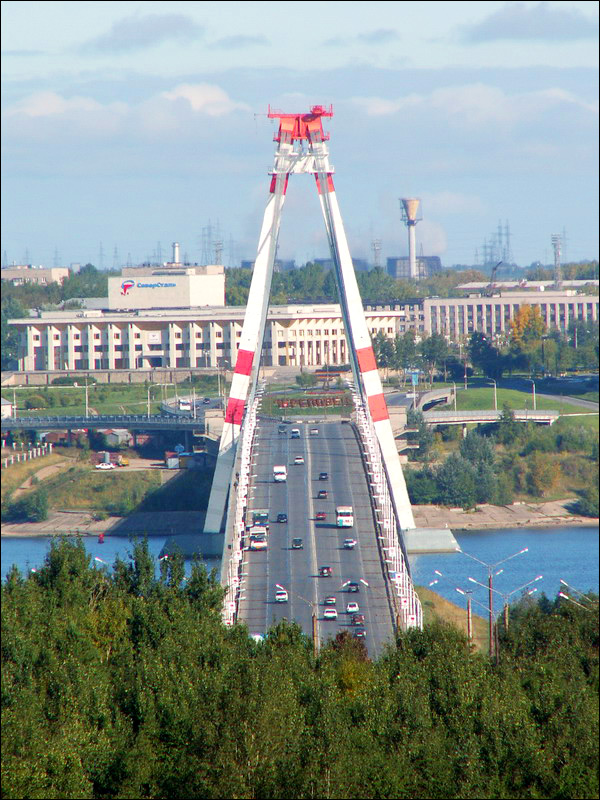
In 1960s, more plants were built, the metallurgic plant continued to grow too. In 1970s, several chemical plants were constructed. In 1978, Oktyabsky Bridge across the Sheksna River was put into operation, this is one of the three largest suspension bridges in Russia, a unique construction which was built within 8 years.
In 1986, the fifth blast furnace was put into operation at Cherepovetsky Metallurgic Plant, it is more known as “Severyanka”. At that time, it was the largest blast furnace in the world. In 1986, the plant was reorganized into Cherepovetsky metallurgic group of enterprises. In the early 1990s, the joint-stock “Severstal” was formed on its basis.
Cherepovets views
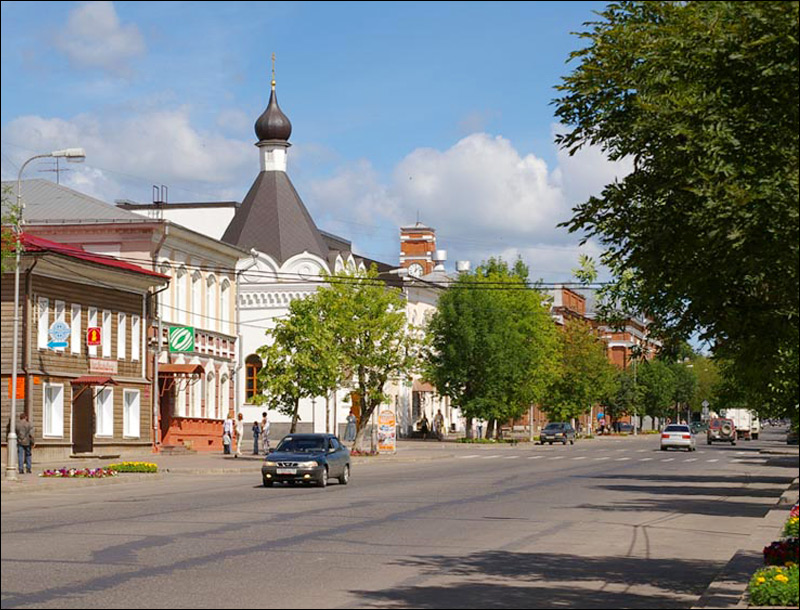
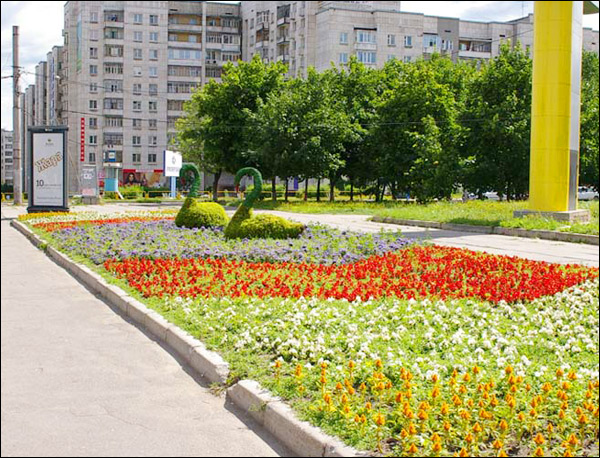
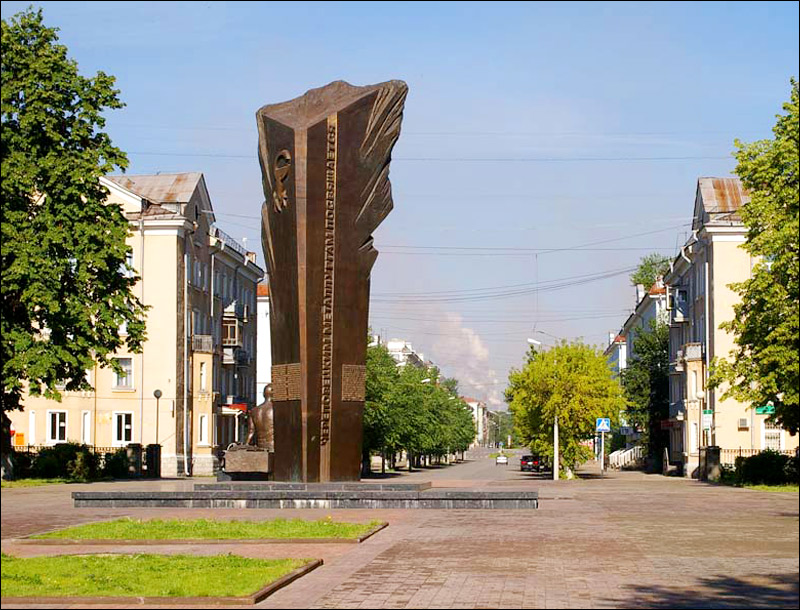
Cherepovets street
Author: Dmitry A.Shchukin
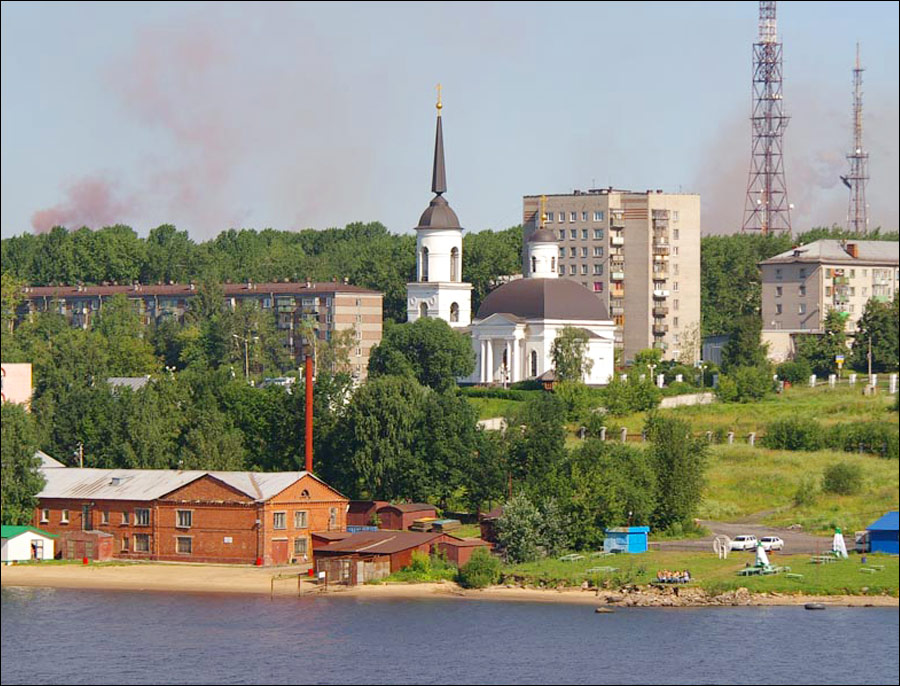
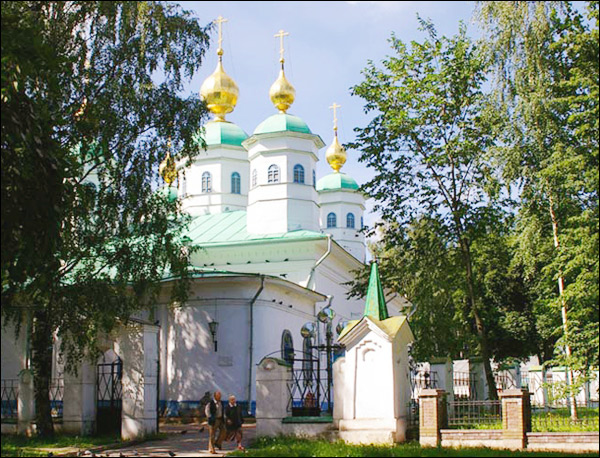
Church of the Nativity in Cherepovets
Author: Dmitry A.Shchukin
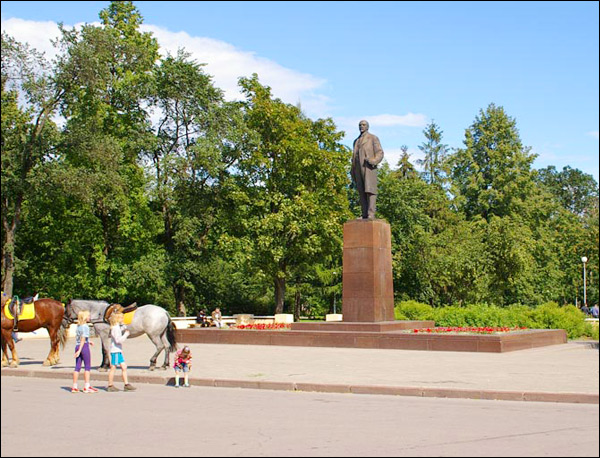
Cherepovets scenery
Author: Dmitry A.Shchukin
Cherepovets - Features and Economy
Cherepovets is situated in the central part of the East European Plain, in the south-west of the Vologda region.
The climate is temperate continental. The average temperature in January is minus 10.2 degrees Celsius, in July - plus 17.6 degrees.
The high level of air pollution is most often observed in the Industrial and the Severny (Northern) districts, as they are located close to the metallurgical plant. However, because of the northerly winds, a significant portion of emissions are carried to the Zasheksninsky district. The ecological situation in this district is also aggravated because of the almost complete absence of trees and a high population density.
The basis of the economic potential of Cherepovets is enterprises of ferrous metallurgy and chemical industry. About 40% of residents work in the following leading enterprises: “Severstal”, “Severstal-metiz”, “PhosAgro Cherepovets”. They produce about 75% of all industrial output of the city. Also, the city has enterprises engaged in wood and metal working, food and light industry, construction industry.
The international airport “Cherepovets” is located 25 km from the city, close to the settlement of Botovo. There are inner and international regular and charter flights over Russia, countries of the former USSR and Europe. Inner flights: Moscow (Vnukovo and Domodedovo airports), Saint Petersburg, Kaliningrad, Murmansk. International flights: Helsinki (Finland).
The following federal highways pass through Cherepovets: A114 Vologda - Novaya Ladoga (connects the city with Vologda and St. Petersburg) and P104 Cherepovets - Sergiev Posad (connects Cherepovets to Yaroslavl and Moscow).
Attractions of Cherepovets
The Resurrection Church is the oldest building in Cherepovets (1756). It is located in the historical part of the city - on Sobornaya Hill - on the place of an ancient settlement.
The Church of the Nativity, reconstructed in 1996, is a white church with a high belfry located in one of the recreation areas, close to Victory Park and the beach.
Museums and exhibition halls
- Art Museum (Soviet Avenue, 30)
- Children’s Museum (Lunacharsky Street, 39)
- Museum of Nature (Lunacharsky Street, 32)
- Vereshchagin’s Memorial House-Museum (Socialistic Street, 22)
- Museum of Archaeology (Krasnaya Street, 1)
- Local History Museum (Lunacharsky Street, 41)
- Historical and Ethnographic Museum “Galskie Manor” (Maturinskaya Street, 29)
- Literary Museum with the memorial estate of Severianin
- Showroom of Cherepovets museum association (Soviet Avenue, 30)
- First Art-Gallery (Arkhangelskaya Street, 17)
- Art Gallery of Modern Art “KTO” (Soviet Avenue, 8a)
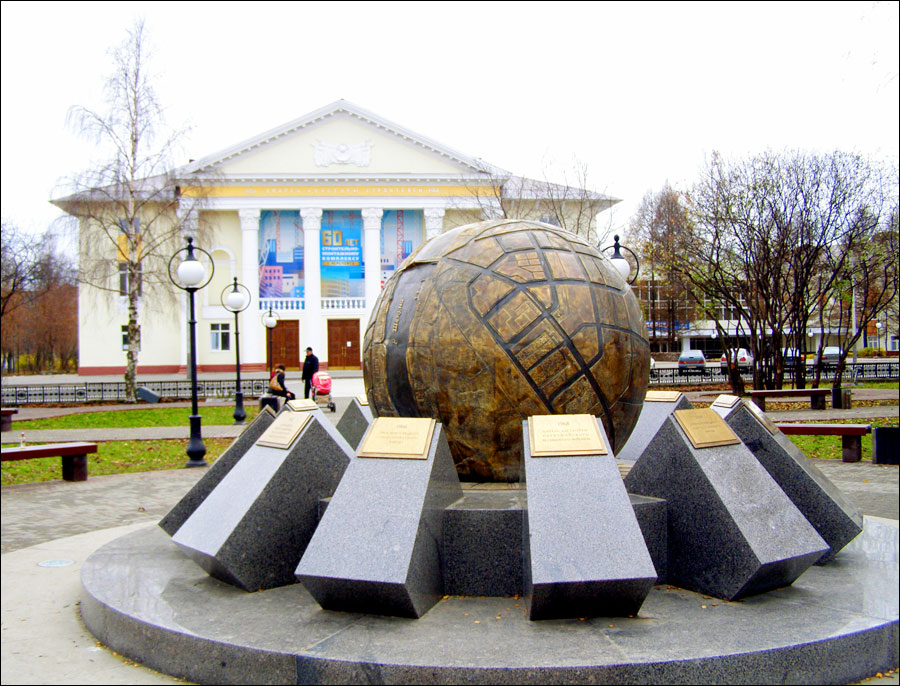
There are dozens of art monuments in Cherepovets. Oktyabrsky Bridge across the Sheksna River, opened in 1979, is one of the symbols of the city.
On the outskirts, you can find architectural monuments of federal importance: St. Nickolas wooden church (1673) in Dmitrovo; Virgin Assumption Church (1694) in Nelazskoye; Vladimirovka Estate (1899) located in a picturesque area, about 40 km away from the city.