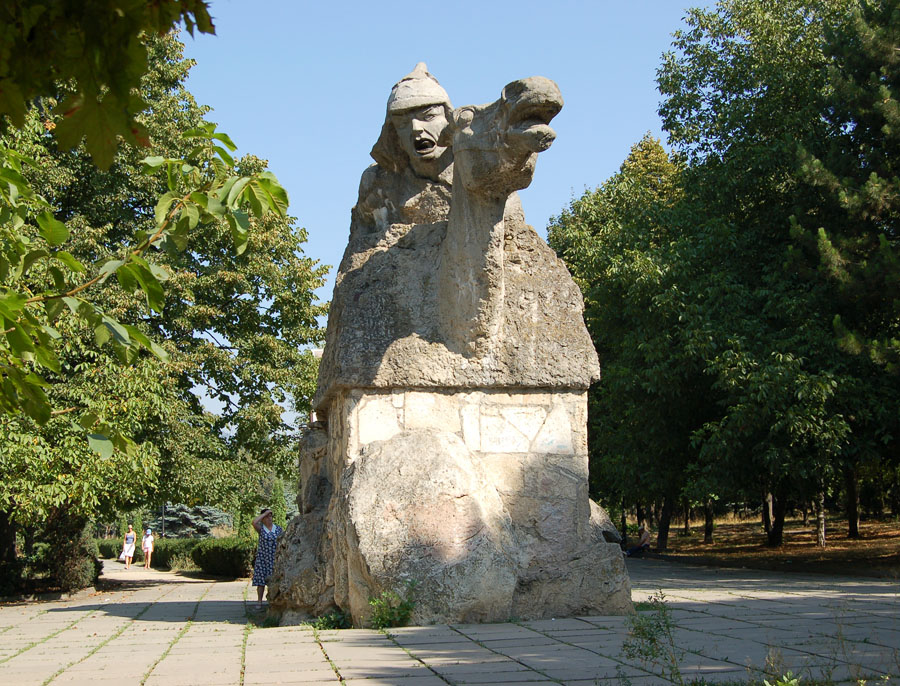
Pyatigorsk - Overview
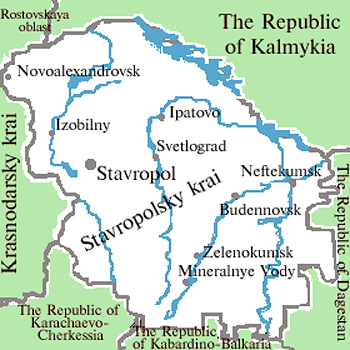
Pyatigorsk is a resort-city located in Stavropol krai, Russia. It is the oldest spa and mud resort of federal importance as well as an industrial, commercial, scientific, cultural, and tourist center of the Caucasian Mineral Waters (Kavkazskiye Mineralniye Vody) eco-resort region.
The population of Pyatigorsk is about 145,500 (2022), the area - 97 sq. km.
The phone code - +7 8793, the postal codes - 357500-357569.
History of Pyatigorsk
The territory of the present city of Pyatigorsk was inhabited from distant times. The first mention of the area called Bish-Dag (“five mountains”) with hot springs was done by the Arab traveler Ibn Battuta in 1334.
The study of mineral waters in Russia began during the reign of Peter I, in the 18th century. The first scientific description of Pyatigorsk and its healing factors was made by the academician Huldenshtedt in 1773. In the late 18th century, after the Russian-Turkish wars, this territory became part of the Russian Empire.
In 1780, construction of Konstantinogorskaya fortress began on the territory of the present Novo-Pyatigorsk district. This is the official founding date of Pyatigorsk. In 1803, the history of Pyatigorsk as a resort town began. On May 14, 1830, Goryachevodsk (“the town of hot water”) turned into the town called Pyatigorsk (“the town of five mountains”). There is a mountain with five peaks (Beshtau Mountain) located close to the town.
More Historical Facts…
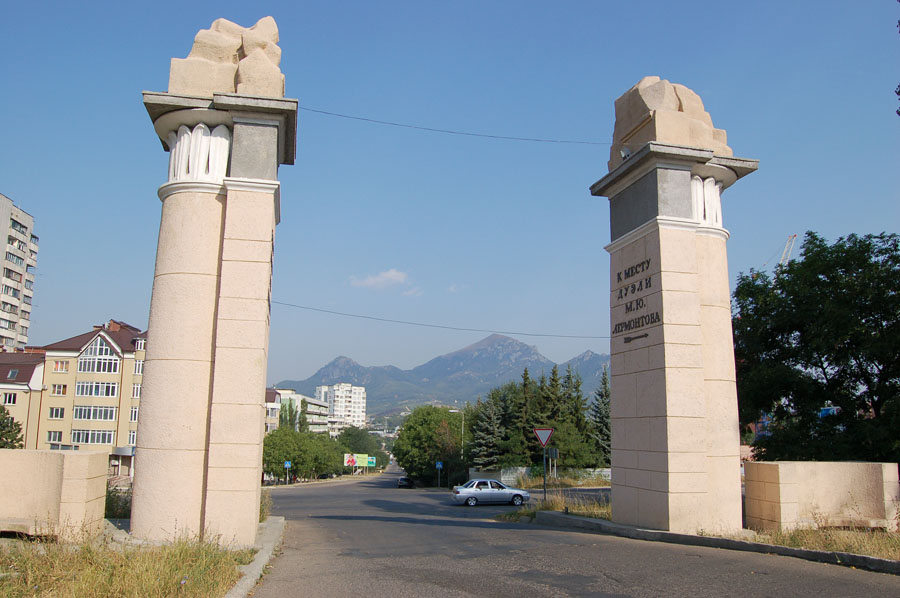
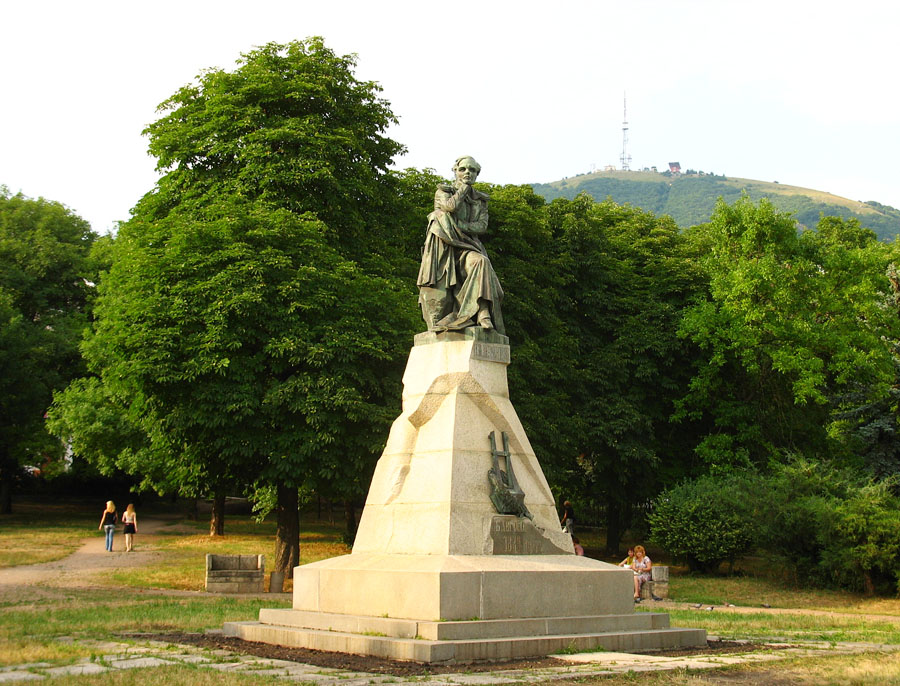
In 1863, the first in the Russian Empire balneological society was founded in the town. In 1889, Lermontov monument was opened in Pyatigorsk, it was the first monument to Lermontov in the country. In 1893-1894, the resort-town was linked with Moscow by railway. In 1915, a new theater was opened in Pyatigorsk. It became an ornament and pride of the city.
In 1920, Pyatigorsk Balneological Institute was opened in the city. August 9, 1942, during the Second World War, the city was captured by the German army. January 11, 1943, it was liberated by the Soviet army. In 1970, Pyatigorsk was included into the list of historical cities in Russia.
On January 19, 2010, Pyatigorsk received the status of the center of the North Caucasian Federal District. It is the only federal district center which is not the capital of the federal subject.
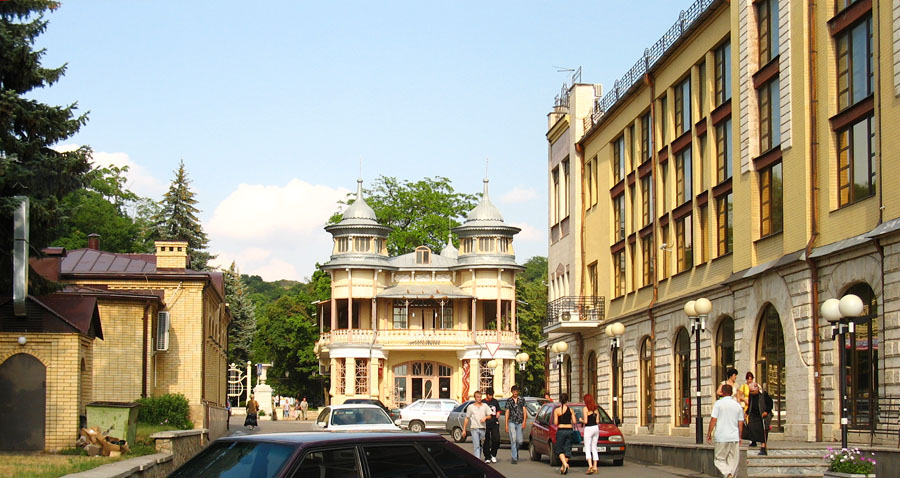
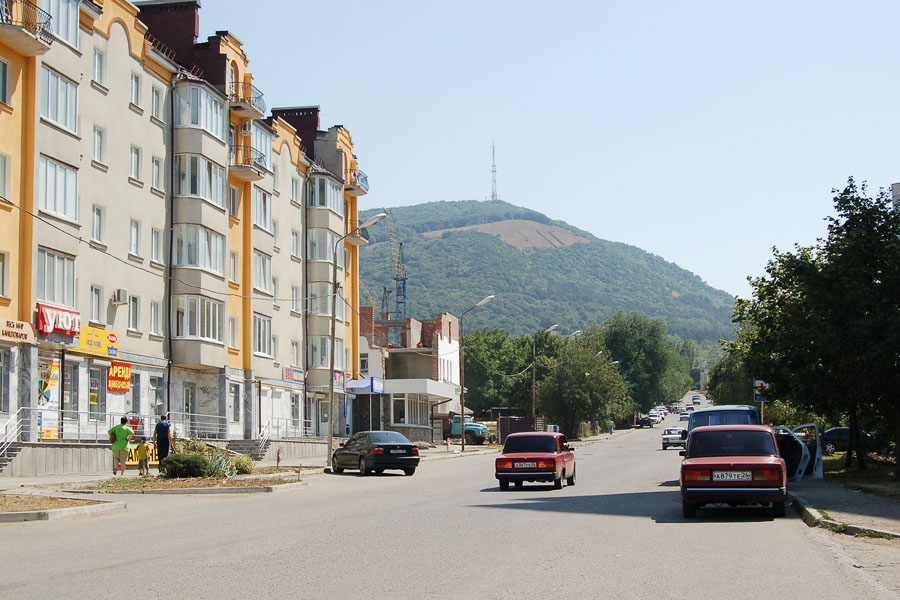
Streets of Pyatigorsk
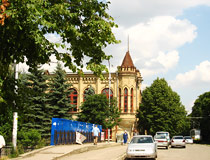
Pyatigorsk architecture
Author: Alexander Kostenko
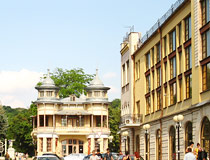
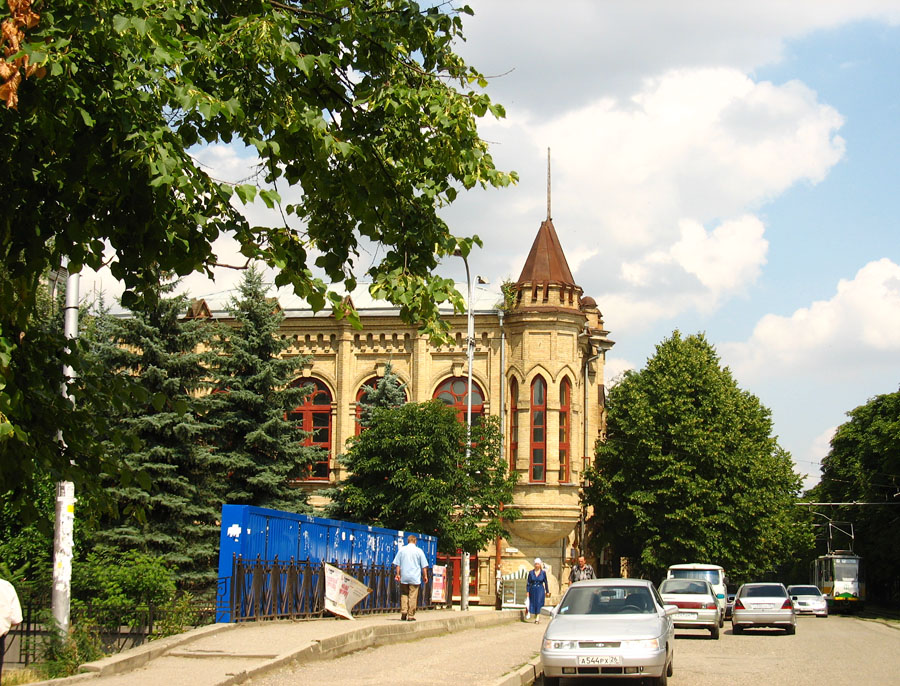
Gukasov Coffee House in Pyatigorsk
Author: Alexander Kostenko
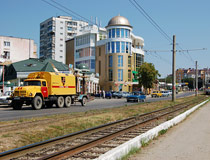
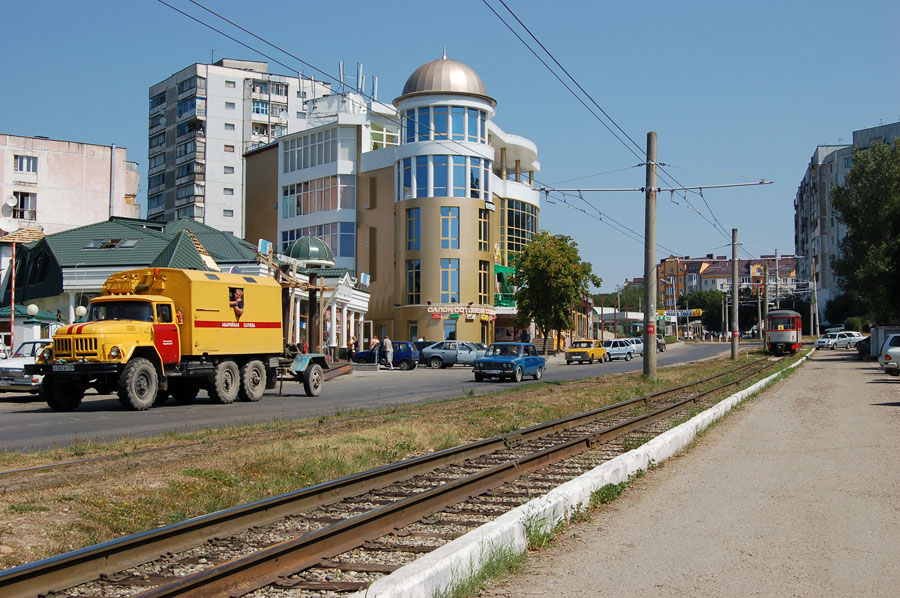
Pyatigorsk modern architecture
Author: Oleg Dzhan
Pyatigorsk - Features
Pyatigorsk is located 193 km south-east of Stavropol, 25 km south of Mineralniye Vody, at an altitude of about 525 meters above sea level. The city is situated close to the Caucasian mountains, on Stavropolskaya hill, mainly on the left bank of the Podkumok River. Beshtau Mountain is the highest point in the area around the city (1,401 meters).
The climate is characterized by mild winters and hot summers. The average temperature in January is minus 3,8 degrees Celsius, in July - plus 21,1 degrees Celsius.
Pyatigorsk City Day is celebrated on the second Sunday of September. Since its founding, Pyatigorsk resort was visited by such famous people as Pushkin, Lermontov, Glinka, Tolstoy, Griboyedov, Belinsky, Pirogov, Gorky, Shalyapin.
Pyatigorsk has a large number of universities, about 40,000 students study at them. That’s why Pyatigorsk is also known as the city of students.
The local economy is mainly service oriented. There are food industry plants. The unique geographical location close to numerous mineral springs determined the development of mineral water bottling plants.
The city has over 40 mineral springs differing in chemical contents and temperature. Pyatigorsk is sometimes called “the natural museum of mineral water” because of the unique diversity of mineral springs on a small area around Mashuk Mountain.
Pyatigorsk is the place where the events of the novel “A Hero of Our Time” (Lermontov) took place. Some events of the novel “The Twelve Chairs” (Ilf, Petrov) also took place in this city.
Tourism in Pyatigorsk
Pyatigorsk tourist infrastructure includes more than 30 resorts and spa facilities, dozens of travel companies, organizations, and hotels.
The city and surrounding area have a great tourist potential and in the long term can compete with the leading European spas and health resorts.
In addition to the health, eco-resort and recreational tourism, Pyatigorsk resort has excellent facilities for the historical and cultural, archaeological, cultural and museum, pilgrimage, scientific, sports, youth, walking, cycling, equestrian, hunting, extreme, mountain, climbing and other types of tourism and tours.
Pyatigorsk (along with Nalchik) is the starting point of hiking and climbing routes in the Central Caucasus.
Attractions of Pyatigorsk
Mount Mashuk - one of the most visited places in Pyatigorsk. There is a TV tower standing on the top of the mountain. You can see the panorama of the foothills of the Caucasus and the Greater Caucasus mountain range, Elbrus and Kazbek, and the panorama of Pyatigorsk. The height of the Mashuk Mountain is 993 meters above sea level. You can get to the top using a cable car (about 3 minutes to overcome the distance of 964 meters up to the station on the mountain top).
Proval Lake - a small lake with hydrogen sulfide water located inside Mashuk Mountain.
“Tsvetnik” Park (flower-garden). The park was laid out in marshlands formed by springs flowing down from the mountains in 1829-1831.
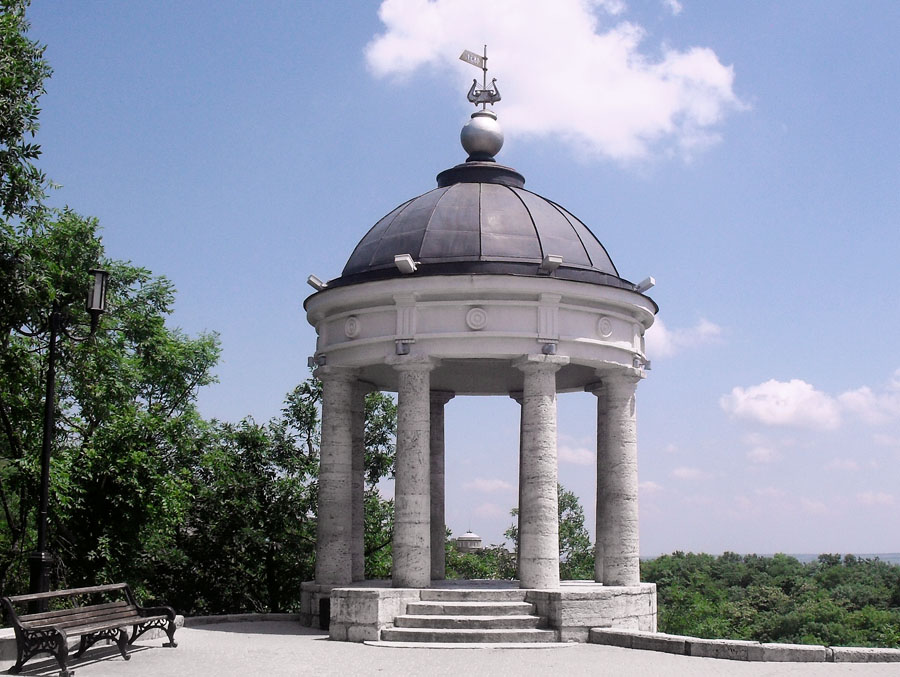
“Aeolian Harp” Pavilion. The pavilion was built on the highest point of Mikhailovsky spur of Mashuk Mountain in 1831. An original musical instrument played by the wind - an Aeolian harp - was placed in the pavilion. In 2008, special equipment was installed in the pavilion that plays music regardless of wind. From here you can see splendid views of Elbrus Mountain, Pyatigorsk and the settlements of Goryachevodsky and Svobody.
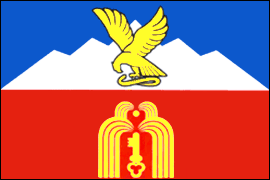
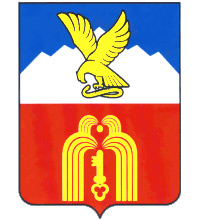
“Oryol” Sculpture. The sculpture depicts an eagle fighting a snake - the official symbol of the Caucasian Mineral Waters. The original monument was opened in honor of the centennial of Mineralniye Vody resort in 1901. Similar sculptures were erected in all the cities of the Caucasian Mineral Waters: Pyatigorsk, Kislovodsk, Yessentuki, and Zheleznovodsk.
Lermontov Gallery. In the early 20th century, it was decided to build a fashionable construction of metal and glass. The gallery was opened in May, 1902. It was named after the great Russian poet Lermontov. A lot of famous personalities performed in the gallery (Shalyapin, Yermolova, Mayakovsky).
Pyatigorsk Necropolis. Today, this necropolis located at the foot of Mashuk Mountain, is an architectural monument. It is one of the oldest cemeteries in the North Caucasus (1824). There are a lot of historical monuments on the territory of “Necropolis” - the graves of soldiers, outstanding statesmen, scientists, writers, artists, and medical doctors.
Pyatigorsk monuments of architecture
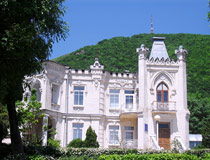
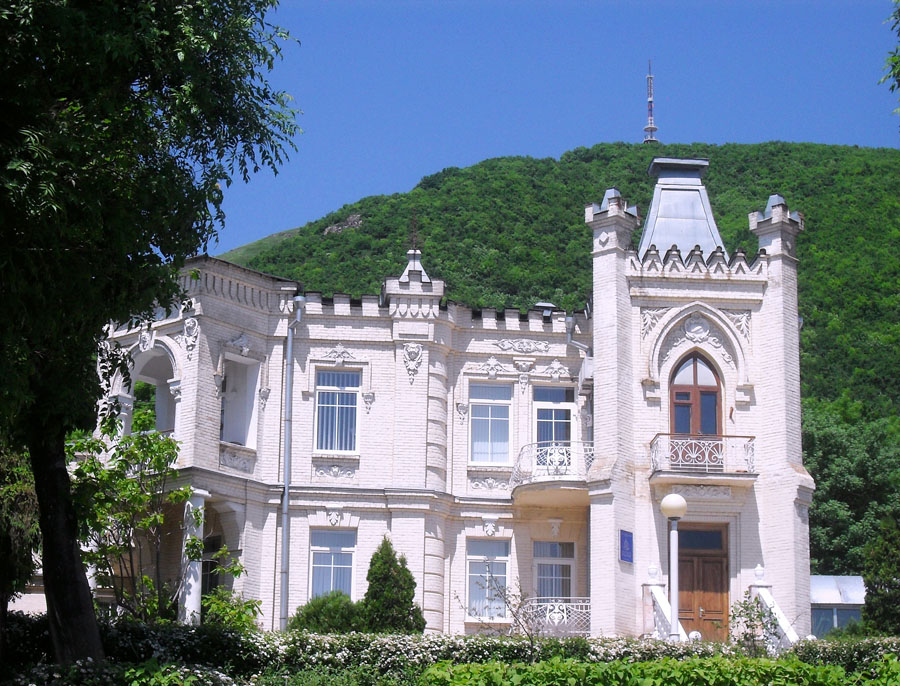
One of the corps of Rodnik sanatorium in Pyatigorsk
Author: Ivan Sergeev
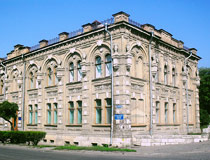
Lower radon hospital in Pyatigorsk
Author: Ivan Sergeev
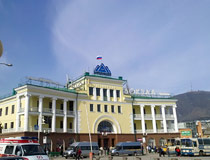
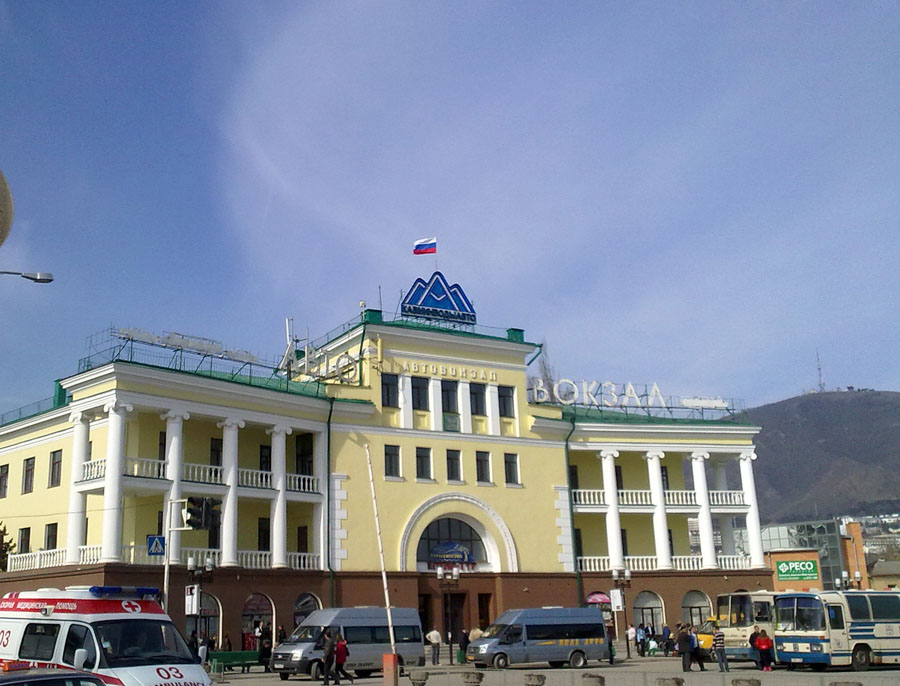
Pyatigorsk bus station
Author: Vadim Alian
Museums
- Pyatigorsk Museum of Local Lore (Bratyev Bernardatstsi Street, 2);
- Lermontov House. The great Russian poet Mikhail Yuryevich Lermontov spent the last two years of his life in this house. Today, it houses the State Museum-Reserve of Lermontov (Lermontova Street, 4);
- Pyatigorsk “Resort Exhibition”: “Tsvetnik” exhibition hall, the former Gukasov coffee house (Kirova Avenue, 23), Mikhailovskaya Gallery (Dzerzhinsky Street, 49a);
- The Museum of Military Glory (Lenin Square, 23);
- The museum “The first steps of electric power” (Dunayevsky Street, 9, Gorelektroset);
- The museum of the Pyatigorsk State Research Institute of Health Resort (Kirova Avenue, 30);
- The Museum of Television (Mira Street, 1);
- The Museum of Insects in “Tsvetnik” Park (“Academic gallery”, Kirova Avenue, 1a).
Other cultural institutions
- Stavropol State Regional Operetta Theater (Kirova Avenue, 17);
- The Concert Hall “Kamerton” (Green Theater) in the recreation park named after Kirov;
- Pyatigorsk Philharmonic in “Tsvetnik” park, Lermontov Gallery;
- Pyatigorsk Planetarium (Dunaevskogo Street, 5, the recreation park named after Kirov).