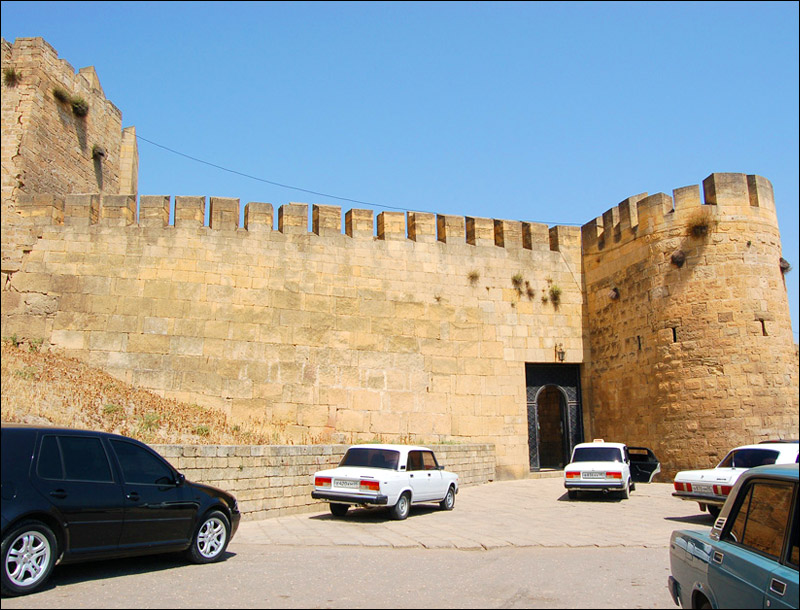
Derbent - Overview
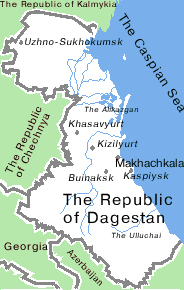
Derbent (in Persian “darband” means “narrow gates”) is a city in the Dagestan Republic located in the narrow pass between the Caspian Sea and the Caucasus, the southernmost city in Russia.
The population of Derbent is about 127,500 (2022), the area - 69.63 sq. km.
The phone code - +7 87240, the postal code - 368600.
Brief History of Derbent
The ancient Greek historian Herodotus mentioned “Derbentsky pass” in the 5th century B.C. The Roman Empire was greatly interested in the town, it organized its first expedition in 290-281 B.C. In 66-65 B.C., military expeditions to the Caucasus headed by Lucullus and Pompeus took place, one of their objectives was to conquer Derbent.
In the early Middle Ages, struggle for the Caucasus was continued by Byzantine and Iraq. From the 5th century, the town rapidly grew and fortifications were constructed in order to prevent Asia from nomads’ attacks - Turkish tribes of the Huns and Khazars. In 488-531, stone walls were constructed. The fortress acquired the outlook preserved till nowadays.
A new stage in the development of Derbent was related to the invasion of the Arabs in the 7th century. In 651, the Arabs conquered Derbent, but managed to finally assimilate it just in 733-734s. From that time, the population of the town was rapidly turned into Islam.
More Historical Facts…
At this time, Dzhuma mosque was constructed. Derbent turned into the main strong point of the Arab caliphate in the Caucasus and became the most important political and ideological center. It was the largest medieval town in the Caucasus with developed crafts and agriculture.
Medieval Derbent was the largest port on the Caspian Sea, an important center of transit trade between East and West, North and South. Derbent supported tight trade ties with a lot of regions and cities in Near and Middle East, Eastern Europe - medieval authors and a lot of archaeological finds witness this fact.
In 1239, Derbent was conquered by the Mongols and became part of the Golden Horde. In 1387, Timur conquered Azerbajan and Derbent shah Ibrahim I Derbendi was ready to subordinate to him.
There is a legend that says that Ibrahim I Derbendi sent Timur a gift: gold - 9 packs, silver - 9 packs and so on, slaves - 8 persons. And when Timur asked: “Why 9 packs of everything, but just 8 slaves?” Ibrahim I Derbendi answered: “the ninth slave is me”. This answer pleased Timur so much that he didn’t destroy Derbent, but even ordered his workers to rebuilt the destroyed walls instead. In 1606, Derbent became part of Persia.
In the early 18th century, when there was a threat of Iran and Turkish invasion in the Caspian region, Peter I committed his famous Persian (Caspian) expedition (1722-1723).
Derbent took a special place in Peter’s the Great plans. On August 23, 1722, Peter I arrived in Derbent with a large army. Peter I paid his attention at its historical monuments. Scientists and professionals who came with his escort made the first description of historical monuments. It was the beginning of scientific research of Derbent.
In 1735, Derbent became part of Iran again. In 1796, during the Persian expedition, the town was captured by the Russian troops. In 1813, Derbent was joined to Russia. From 1846, it became part of Dagestan region. In 1840s and later, it experienced rapid economic growth. In 1898, Derbent was crossed by the railway Petrovsk-Port (present Makhachkala) - Baku.
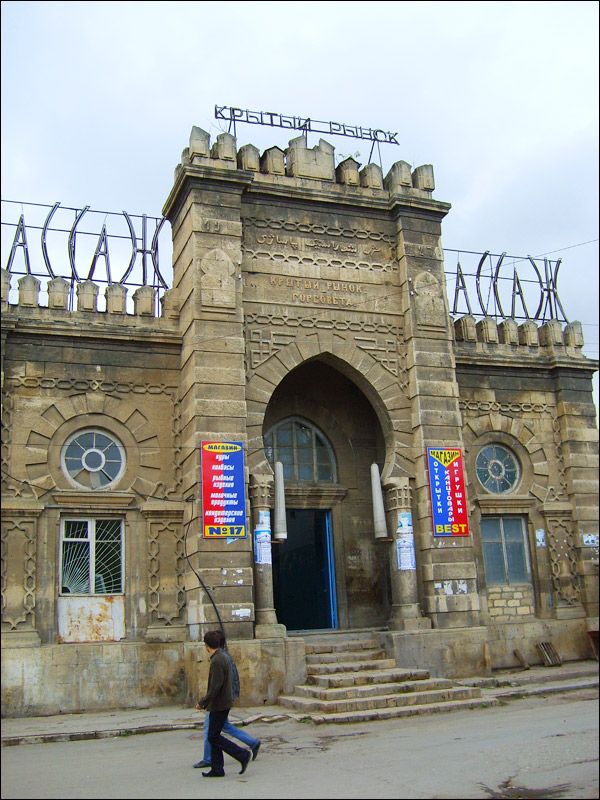
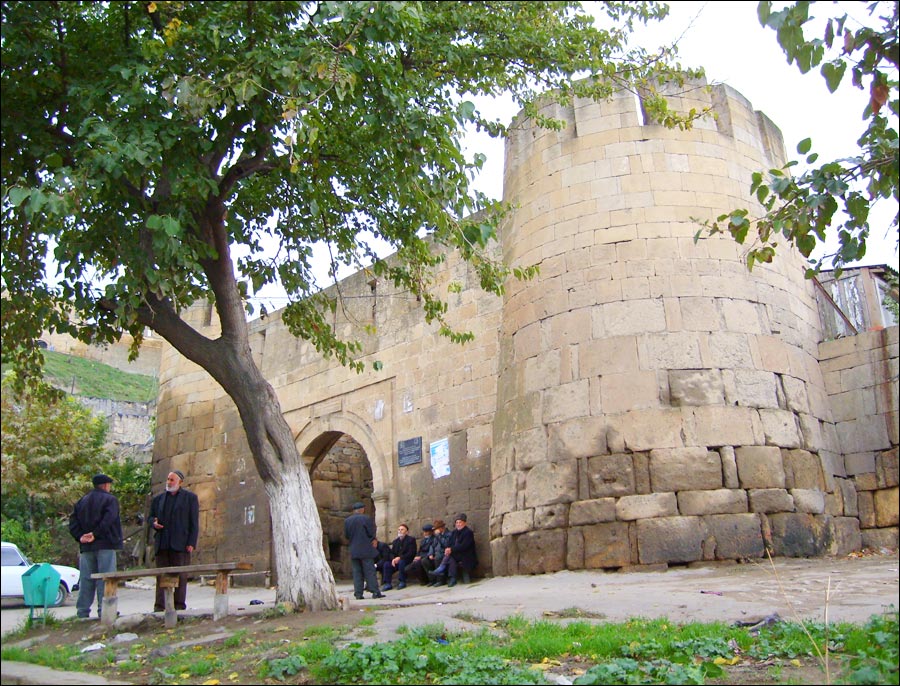
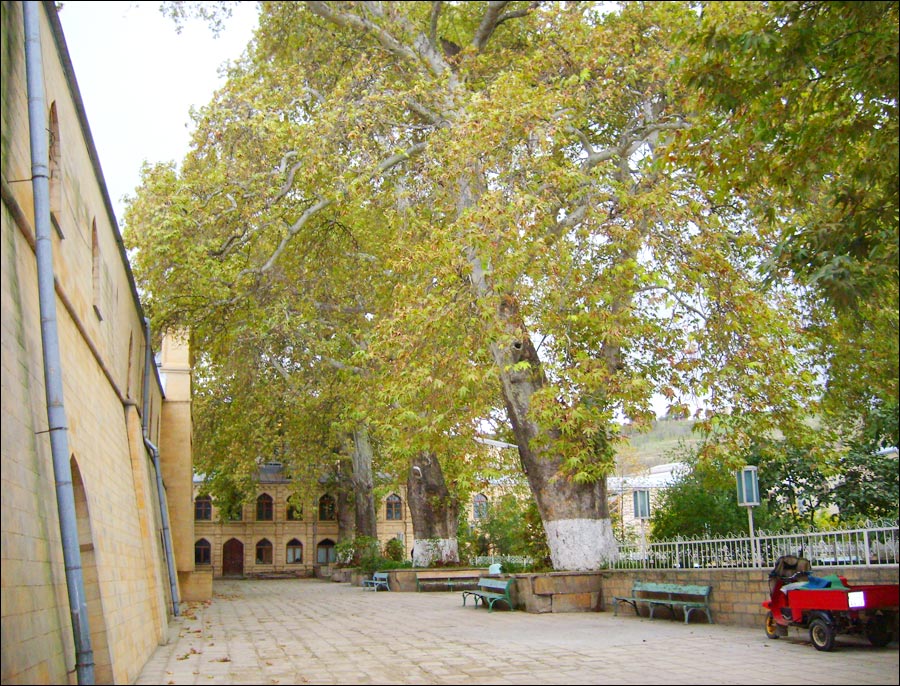
Derbent views
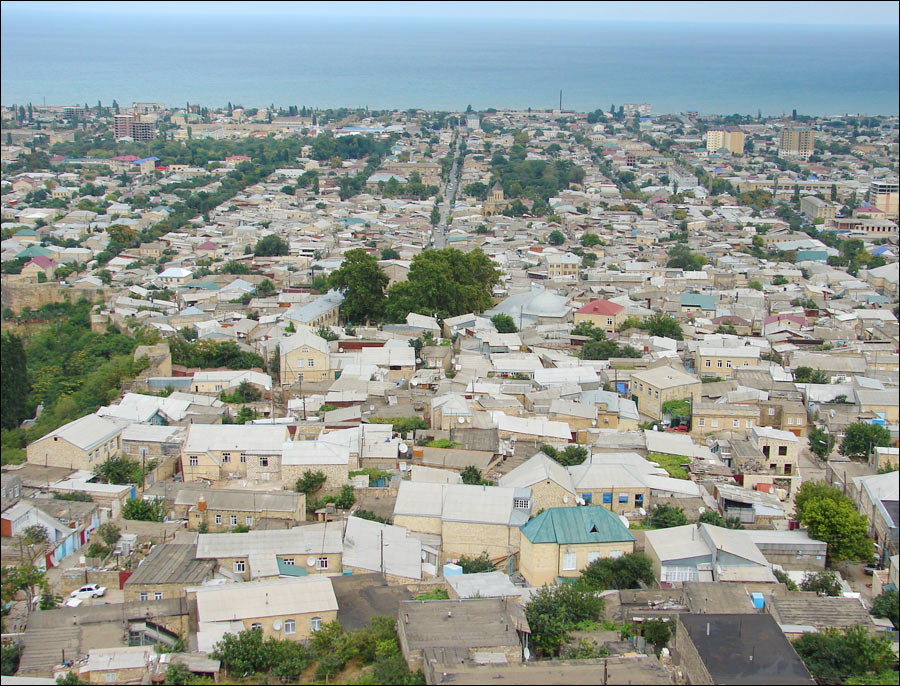
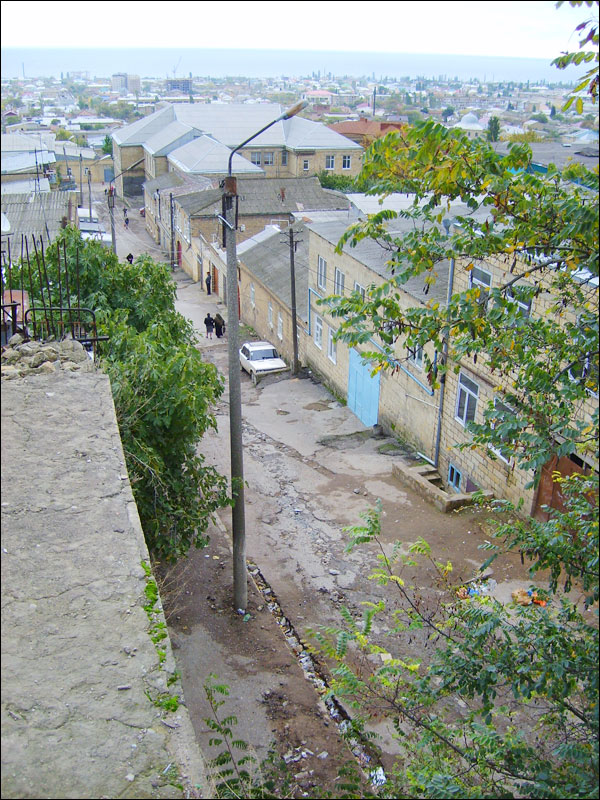
General view of Derbent
Author: Rokun Anatoliy
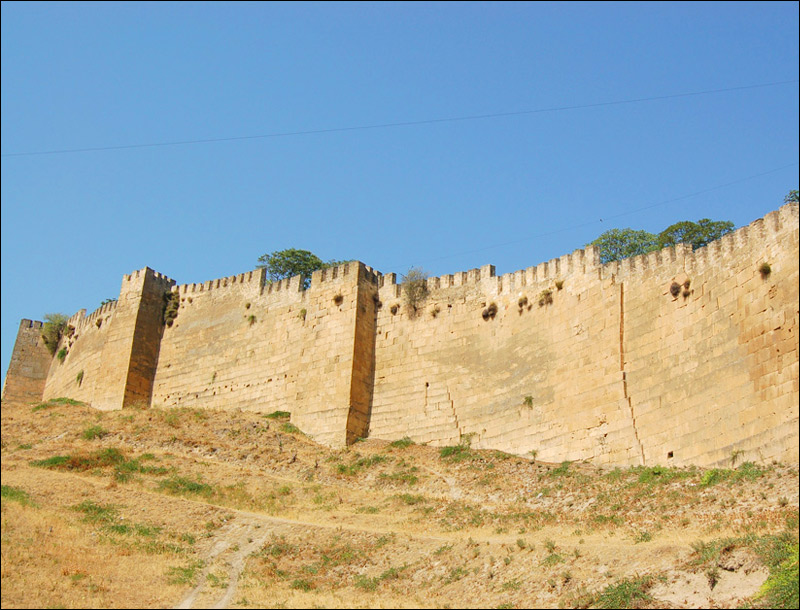
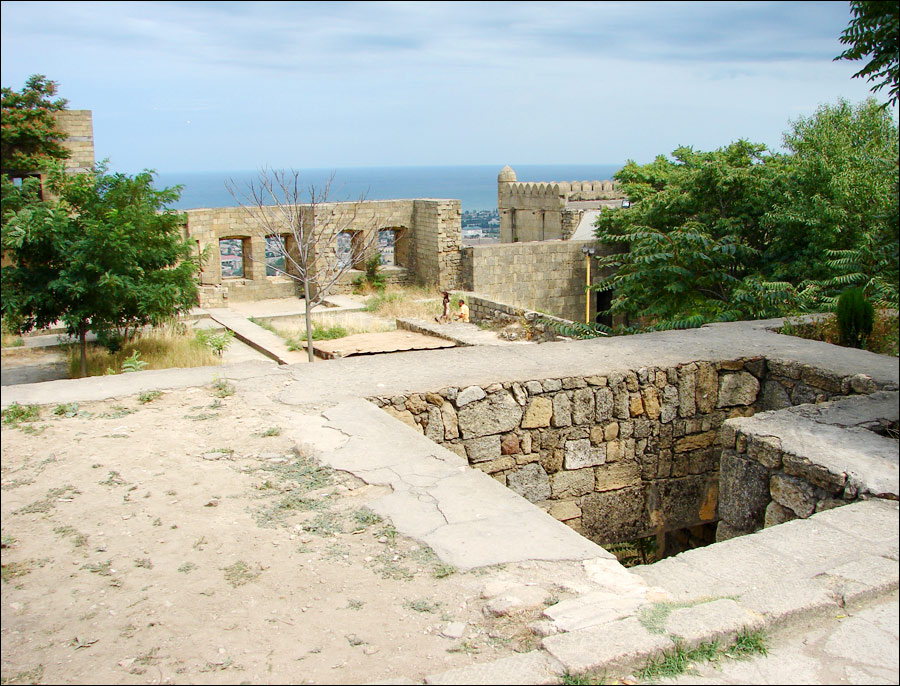
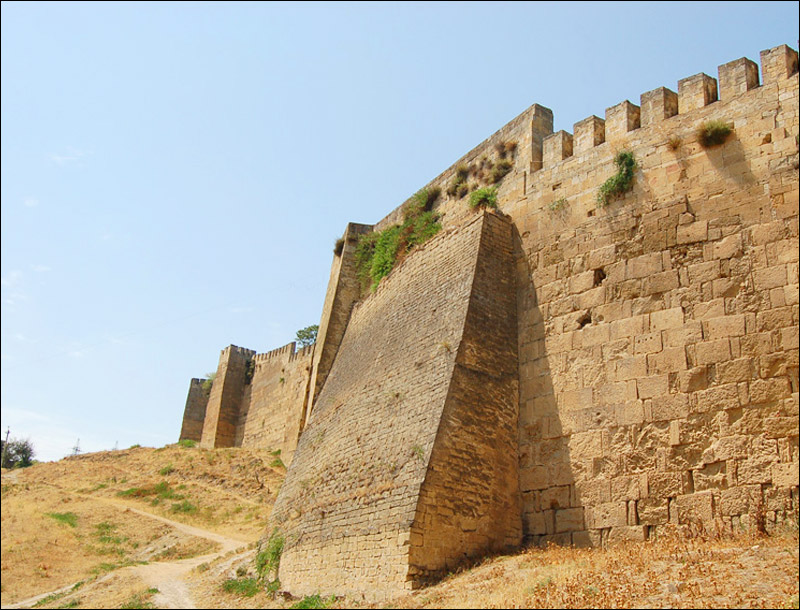
Derbent fortress
Author: Zemfira Makueva
Derbent city view
Author: Rokun Anatoliy
Derbent - Features
Derbent is one of the most ancient “live” cities in the world. The first settlements were founded there in the early Bronze Age, at the end of 4,000 B.C. Its ancient name, “Caspian Gates”, was first mentioned in the 6th century B.C.
The climate in Derbent is transitional from temperate to semi-dry subtropical. It is affected by the Caspian Sea. Autumn is usually long and warm; spring comes with a delay; winter is mild, the coldest month is February; summer is long and hot. The average temperature in January is +3.1 degrees Celsius, in July - +24.7 degrees C.
Derbent is located on the western shore of the Caspian Sea, not far from the mouth of the Samur River, where the Caucasian mountains come closest to the Caspian Sea and leave just a narrow, 3 km wide, line of lowland.
The importance of Derbentsky pass was high, it was located in one of the most strategically important and topographically convenient points of the famous Caspian way which connected the Eastern Europe and Southwest Asia.
The pass was attacked of the Scythians, Sarmats, Alans, Huns, Khazars and others. It experienced stormy historical events, attacks and destruction, decline and prosperity. Derbent was an important part of the Great Silk way. The town was the crossroads of civilizations connecting East and West, North and South.
September 19, 2015, the 2000th anniversary of Derbent was celebrated.
National composition of Derbent population (2010): Lezgins (33.7%), Azerbaijanis (32.3%), Tabasarans (15.8%), Dargins (5.6%), Russians (3.7%), Aguls (3.2%), Armenians (1.2%), Jews (1.1%), Rutuls (0.8%), others (2.6%).
The city has a cognac plant producing famous Derbent cognacs, and a sparkling wine plant - the only plant in Russia producing sparkling wine in souvenir and even crystal bottles.
Attractions of Derbent
Today, Derbent is an outstanding monument of defense architecture. Its defense complex impresses us with its grandeur, mightiness and power.
Derbent is the oldest cultural center of Dagestan Republic, the birthplace of its spiritual and material culture, it is where art, art crafts, written language, values of Islam and other world religions spread from.
In 2003, UNESCO included the old part of Derbent with traditional buildings in the World Heritage List, highlighting the following sites:
Derbent Wall - a double wall built in the Sassanid times that completely closed the Caspian pass and went far into the sea forming a port. It is the only preserved monument of ancient Persian fortification architecture.
Naryn-Kala - an ancient fortress towering over Derbent. Inside, you can see preserved baths, water tanks in case of siege, and the ruins of ancient buildings.
Juma Mosque - the most ancient mosque in Russia. This temple was captured by the Arabs and converted into a mosque. That’s why this mosque has an entrance from the south rather than the north. Before the mosque, there is a madrassas of the 15th century.
The combination of unique monuments of history, architecture and archaeology together with wonderful nature landscapes and favorable climate make the whole region an important center of inner and international tourism.
Streets of Derbent
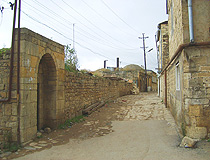
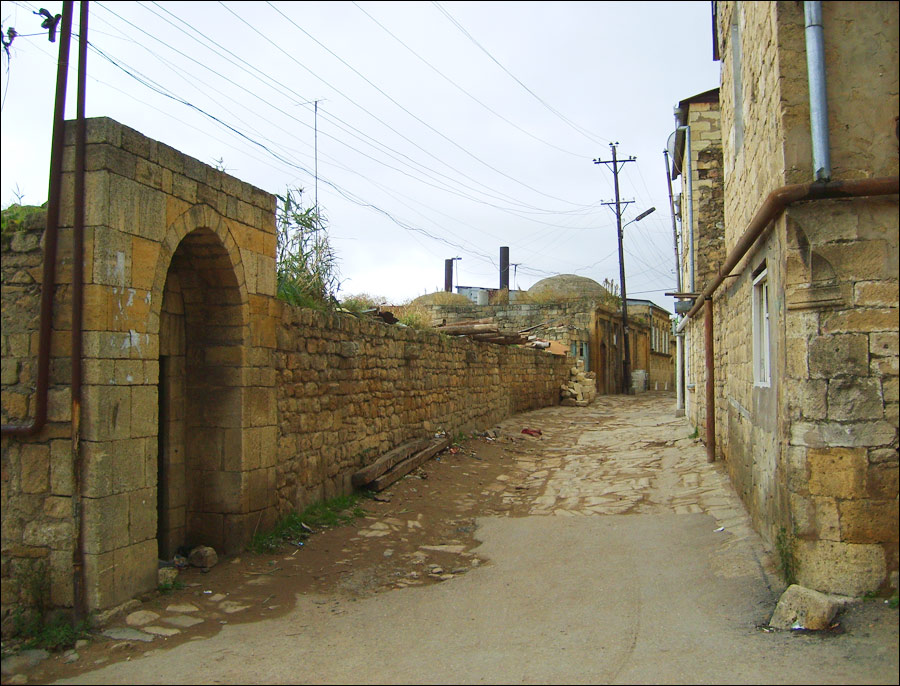
Derbent street
Author: Aleksey Gunko
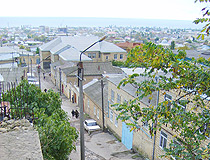
Derbend city street
Author: Aleksey Gunko
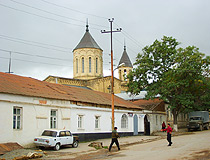
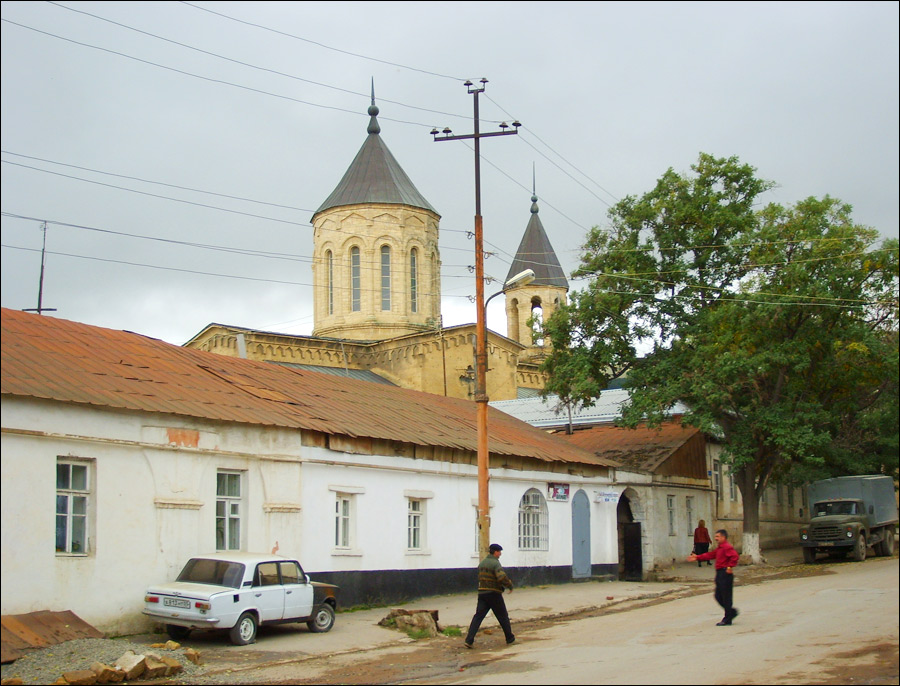
Derbent street view
Author: Aleksey Gunko
There are four theaters in Derbent:
- Azerbaijan State Drama Theater,
- Lezgin State Music and Drama Theater named after Suleyman Stalsky,
- Tabasaran State Drama Theater,
- Tat Folk Theater.
There is a number of museums in Derbent:
- Museum of Carpets, Arts and Crafts located in the Armenian-Gregorian church (Rzayeva Street, 7),
- Museum of Culture and Life of Ancient Derbent (Rzayeva Street, 7),
- Museum “Caspian Nature” (Lenina Street, 64),
- Museum of Military Glory,
- Derbent Historical and Architectural Museum (Rzayeva Street, 7),
- Museum of History of World Cultures and Religions (Mira Street, 3),
- Museum “The House of Peter I”.