Zlatoust - Overview
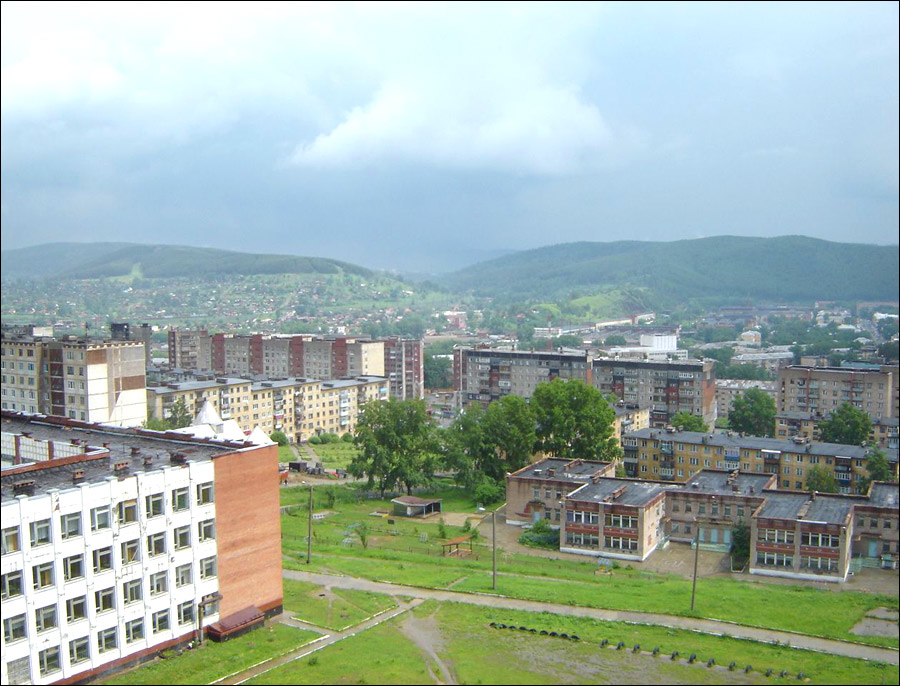
Zlatoust is the third largest city of the Chelyabinsk region, a major industrial and cultural center of the Urals. It is one of the most mountainous cities in the Urals, residential areas are located at an altitude of 400-600 meters above sea level.
The population of Zlatoust is about 159,700 (2022), the area - 136 sq. km.
The phone code - +7 3513, the postal codes - 456200-456292.
History of Zlatoust
Zlatoust received its name after an iron-making plant founded by I.P. and V.M. Mosolovs, the manufacturers from Tula, in 1754. The first contract, signed in 1751, said that “the plant should be named Zlatoustovsky”.
Evidently the name was associated with the name of the Byzantine religious preacher John Zlatoust (John Chrysostom), but the motives for choosing this name are still not clear. According to one view this was due to the date when the contract of 1751 was signed - on the eve of John Zlatoust’s day (November 13), according to another view - because the image of John Zlatoust was the family icon of the Mosolovs.
In 1815, an arms factory was built in the settlement (gunsmiths from the German town of Zolingen were the first masters). In 1817-1847, the great Russian metallurgist Pavel Petrovich Anosov lived and worked in Zlatoust. From the middle of the 19th century, thanks to him, the town became the center of production of high-quality steel. In 1857, a steel factory was opened. Here, the first Russian steel cannons were made.
More Historical Facts…
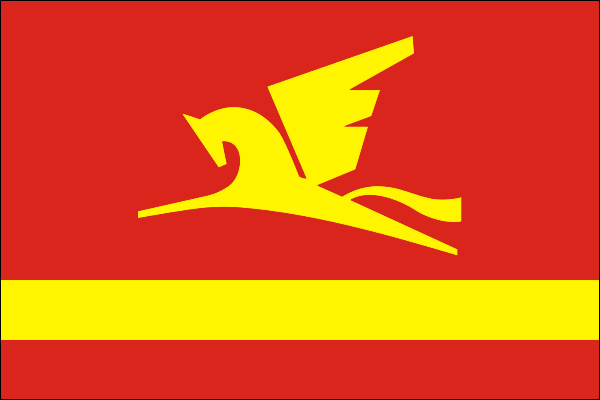
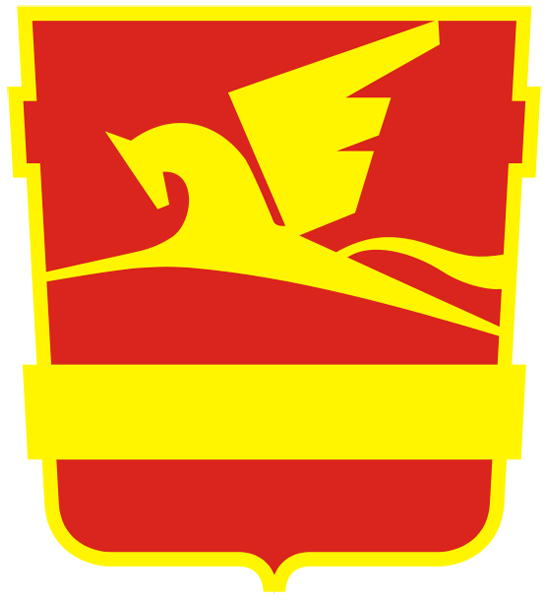
In the early 19th century, Zlatoust became the center of decorative engraving on metal. Ivan Bushuyev and Ivan Boyarshinov were the founders of decorative metal-working. A lot of Ivan Bushuyev’s engravings had an image of a horse with wings (“krylo” in Russian) and that’s why Ivan’s nickname was Krylatko. From that time, a winged horse appeared on the emblem of Zlatoust.
In 1865, Ufimskaya gubernia was formed. Zlatoust became a town and an administrative center of the newly formed Zlatoustovsky uyezd (district). It was the second town after Ufa in its importance and population.
From the mid 1920s, the city experienced a stage of rapid industrial and civil construction. In 1929, Zlatoust hospital was opened. It was the largest hospital in the Urals at that time. The town was developing as a metallurgy center. In 1934, the Chelyabinsk oblast (region) was formed and Zlatoust became its part.
During the Second World War, almost 30 thousand inhabitants of the city went to the front, almost a third of them did not return from the battlefields (the population before the war was about 103 thousand people). More than 20 factories and plants were evacuated to Zlatoust including the Tula Arms Plant, Podolsk mechanical plant and the Moscow Watch Factory. The local industry produced 1.58 million tonnes of crude steel, 13.8 million shells and mortar shells, 109,500 machine guns, 41,800 aircraft guns.
After the Second World War, Zlatoust developed as a metallurgy and machine-building center, the city’s population grew twice. New industrial plants were constructed - a garment factory and a watch factory.
Zlatoust views
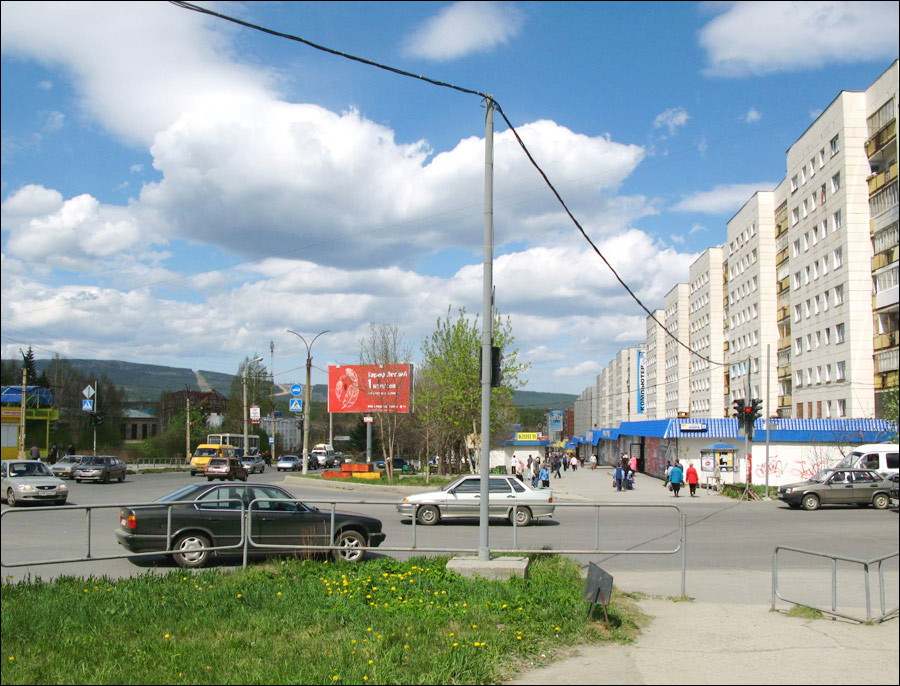
General view of Zlatoust
Author: Ozerov
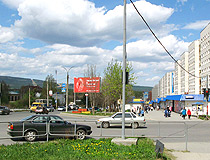
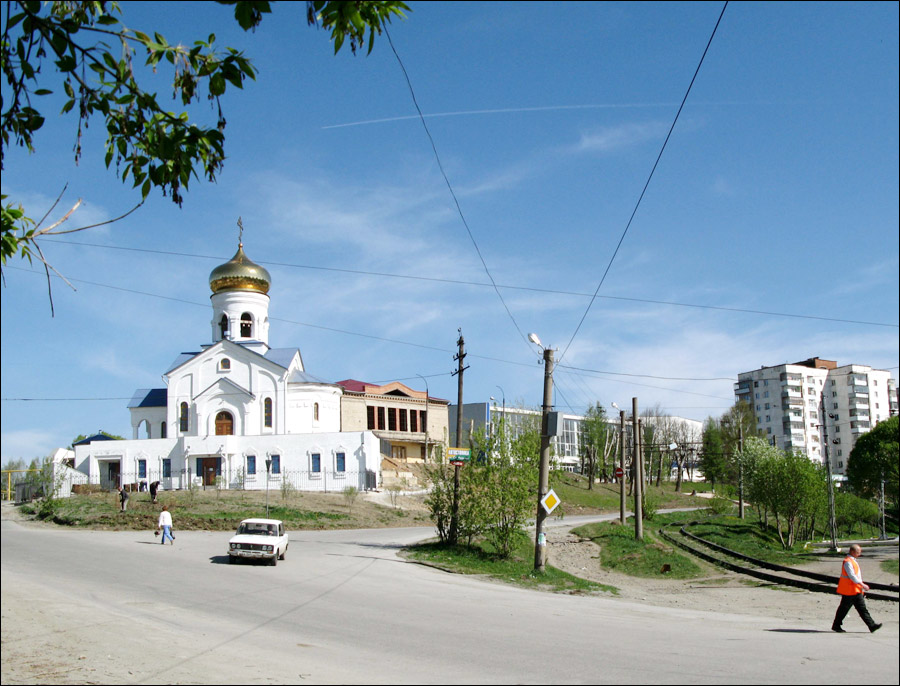
On the street in Zlatoust
Author: Aleksandr Mokrousov
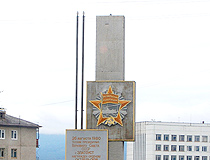
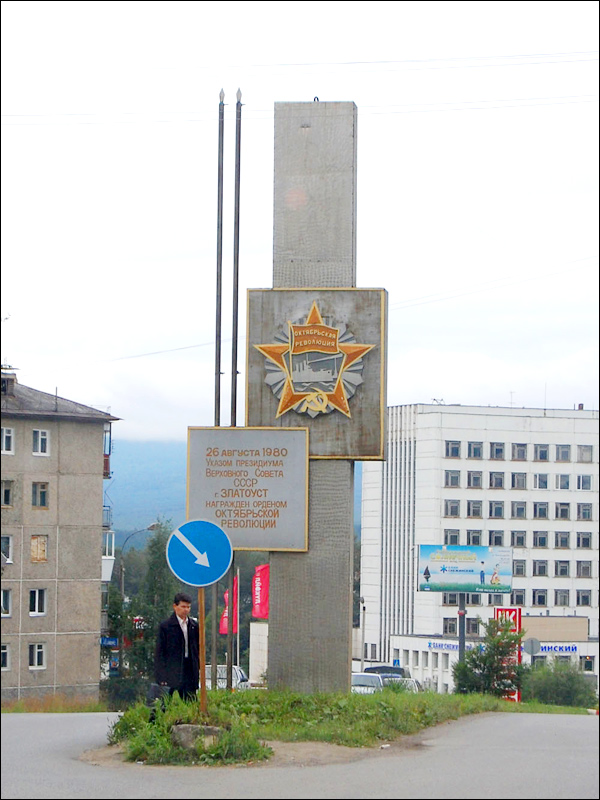
Stella erected in honor of awarding Zlatoust the Order of the October Revolution
Author: Kiyanovsky Dmitry
Zlatoust - Features
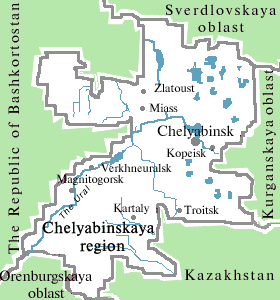
Zlatoust is located in a mountainous and forested area, in the northwest of the Chelyabinsk region. Its north-western part is occupied by the National Park “Taganai” - the first National Park formed in the Urals in 1991. Due to its natural beauty this territory is compared with the famous Alpine scenery and called “Russian Switzerland” and “Ural Tyrol”.
Picturesque and unique mountainous landscapes of Zlatoust were marked by a lot of scientists, travelers, writers, and artists (the German scientist Alexander Humbolt, the English geologist and the Royal Geographic Society President R.I. Murchison, outstanding Russian scientists P.S. Pallas, A.Ya. Kupfer, E.K. Hoffman, G.P. Gelmerson).
Lives of a lot of outstanding people of Russia are connected with Zlatoust. The following persons were born in this city: Marshal of the Soviet Union B.M. Shaposhnikov, the 12th World Chess Champion A.Ye. Karpov, the six-time Olympic champion L.P. Skoblikova (speed skater), the two-time Olympic champion in biathlon S.I. Ishmuratova.
The climate is continental (long and snowy winters and cool summers). The average temperature in January, the coldest month, is minus 13,7 degrees Celsius. The average temperature in July, the hottest month, is plus 19 degrees Celsius.
Zlatoust is located 144 km west of Chelyabinsk (by roads) and 1,638 km east of Moscow. The railway from Moscow to Vladivostok passes through the city. The federal highway M5 “Ural” (Moscow - Chelyabinsk) also passes through Zlatoust.
This city is one of the industrial centers in the Urals (ferrous metallurgy, machine-building, light and food industries) producing high-quality steel, excavators, construction materials, watches and stopwatches, electrical panels, works of art (Zlatoust steel engraving), furniture, footwear, foods.
Pictures of Zlatoust
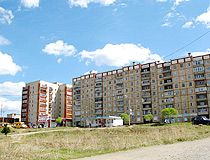
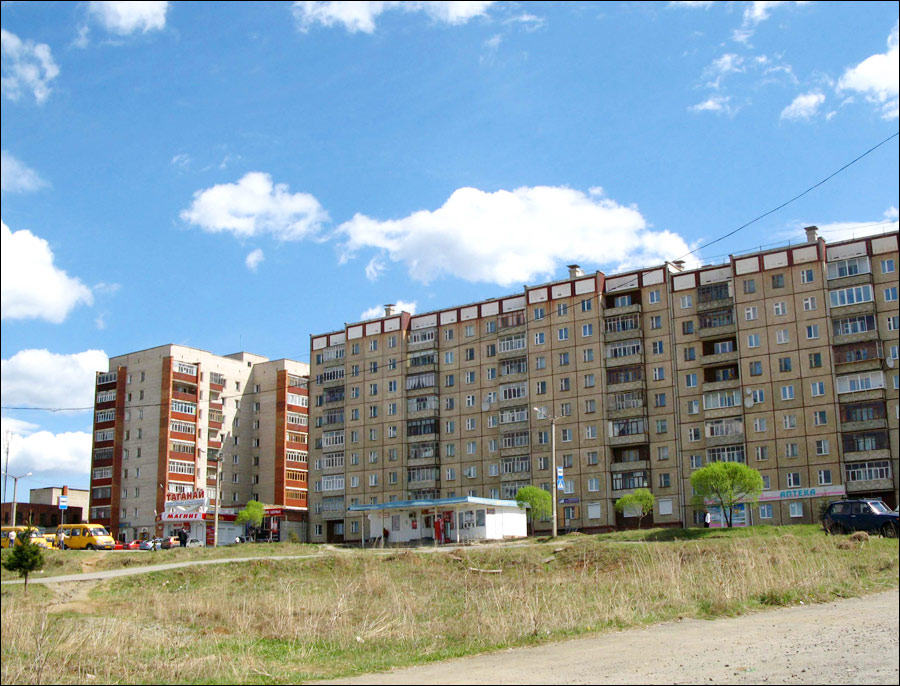
Apartment buildings in Zlatoust
Author: Aleksandr Mokrousov
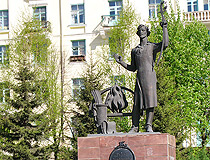
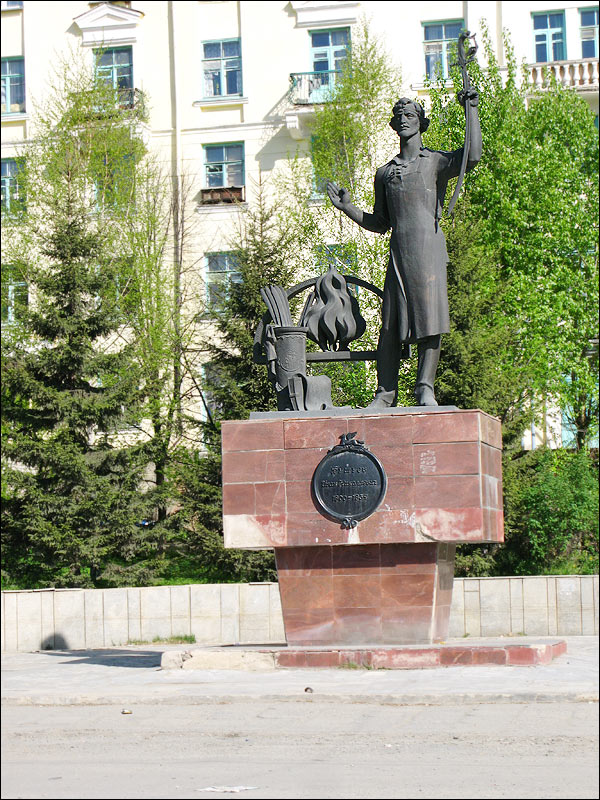
Monument to Ivan Bushuyev in Zlatoust
Author: Aleksandr Mokrousov
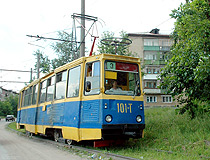
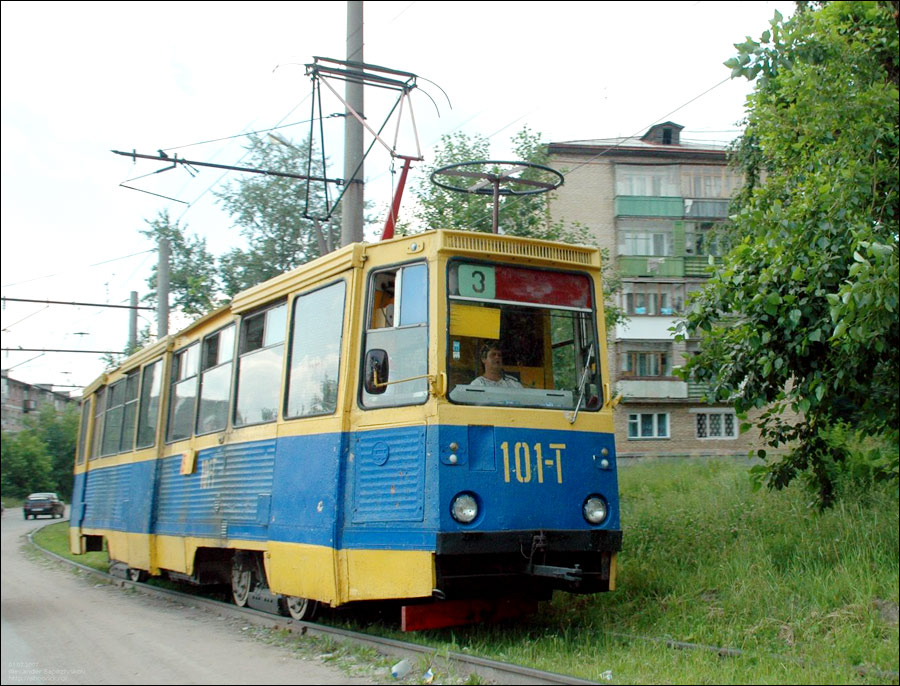
Tram in Zlatoust
Author: Alexander Sapozhnikov
Attractions of Zlatoust
The main places of interest in Zlatoust include the following:
- National Park “Taganay” - a very beautiful national park, magnificent nature at any time of the year, spectacular views from the peaks, majestic cliffs, springs, amazing forest;
- Zlatoust Museum of Local Lore, the oldest museum in the southern Urals founded by the mining engineer P.P. Anosov in 1825. The museum has over 44,300 exhibits - a rich collection of cold weapons and engravings on steel, Kusinsky decorative cast iron pieces, unique samples of Ural minerals (3rd International Square, 1);
- Zlatoust State Drama Theater “Omnibus” (3rd International Square, 2);
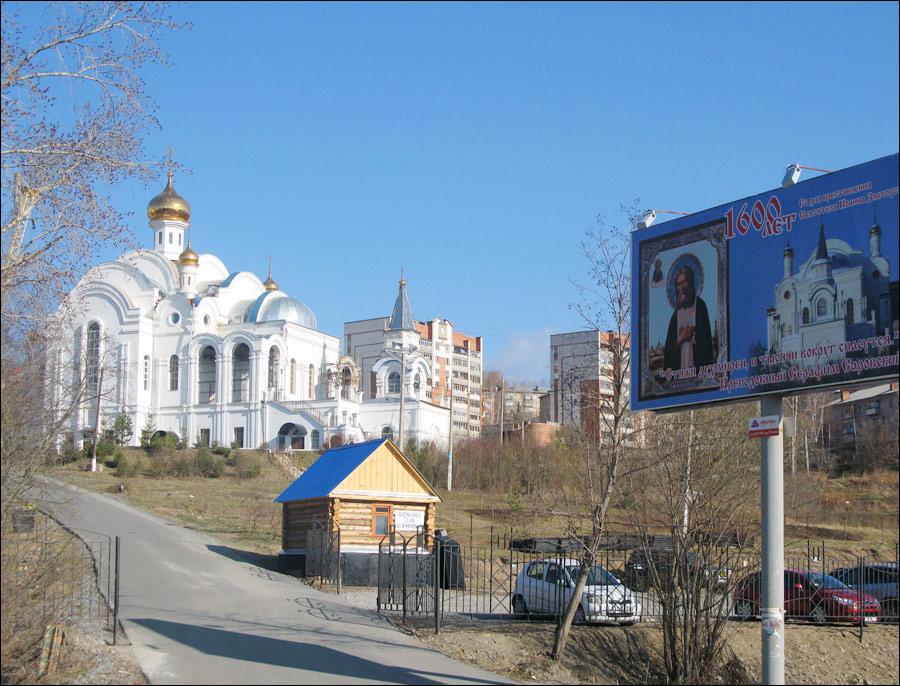
- The bell tower with a chapel of St. John Chrysostom and an observation deck (Krasnaya Gorka village);
- Extreme Sports - a ski resort located within the city limits with two ski slopes for beginners and a cafe;
- Winged horse sculpture (the intersection of Taganayskaya Street and the 30th anniversary of Pobeda (Victory) Avenue);
- Zlatoust tram - the tram climbs up the steep slopes reminding the ride on the famous cable trams in San Francisco;
- Otkliknoy Greben Mountain of Great Taganay mountain range;
- Akhmatovskaya Mineral Mine - a geological monument of nature located north of Zlatoust, to the south-west of the village of Magnitka (here you can see more than 30 different minerals).