Kurgan Oblast - Overview
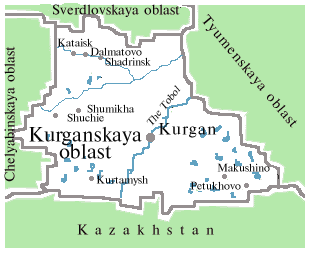
Kurgan Oblast is a federal subject of Russia located on the border between the Ural mountains and Siberia, part of the Ural Federal District. Kurgan is the capital city of the region.
The population of Kurgan Oblast is about 805,500 (2022), the area - 71,488 sq. km.
Kurgan Oblast - Features
Kurgan Oblast is located in the southern part of the West Siberian Plain. From west to east this region stretches for 430 km, the maximum length from north to south - 290 km. The climate is continental. The average temperature in January is minus 18 degrees Celsius, in July - plus 19 degrees Celsius.
There are more than 3,000 lakes in Kurgan oblast. The largest rivers are the Tobol, Iset, Miass, Uy. Forests cover about 20% of the territory - 1,7 million hectares. The fauna is very diverse combining the forest, steppe and forest-steppe species.
Fertile soil is the main natural wealth of the region. Agricultural fields occupy about 40% of the territory. There are a lot of deposits of building materials as well as iron ore reserves (about 2 billion tons) and uranium (about 16% of all Russian uranium).
The basis of the local industry was founded when 22 plants were evacuated here from the western regions of the USSR during the Second World War. After the war, the following large enterprises were opened: Kurgan Machine-Building Plant, Kurgan Bus Plant, “AK Korvet”, Kurgan Chemical Engineering Plant, the plant for the production of medicines “Sintez”.
Kurgan Oblast is a kind of gateway to Siberia. The highway of federal significance “Baikal”, the South Urals Railway (the western part of the Trans-Siberian Railway), natural gas and oil pipelines cross the territory of the region. In the south it borders with Kazakhstan.
The largest cities and towns of Kurgan Oblast are Kurgan (304,700), Shadrinsk (73,600), Shumikha (17,000), Kurtamysh (16,300).
Landscapes of Kurgan Oblast
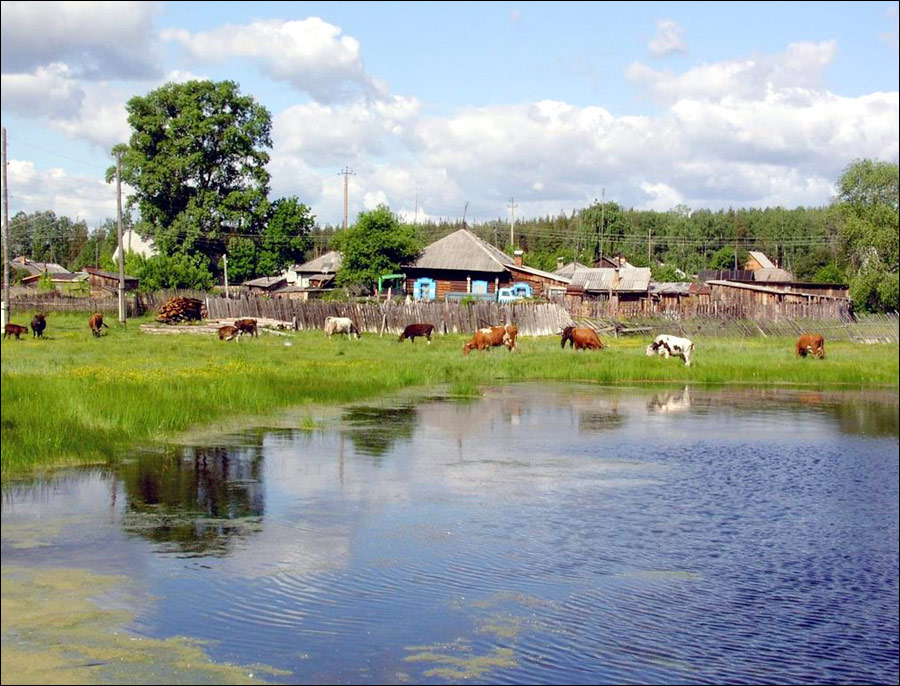
Nature of Kurgan Oblast
Author: Andrey Chijov
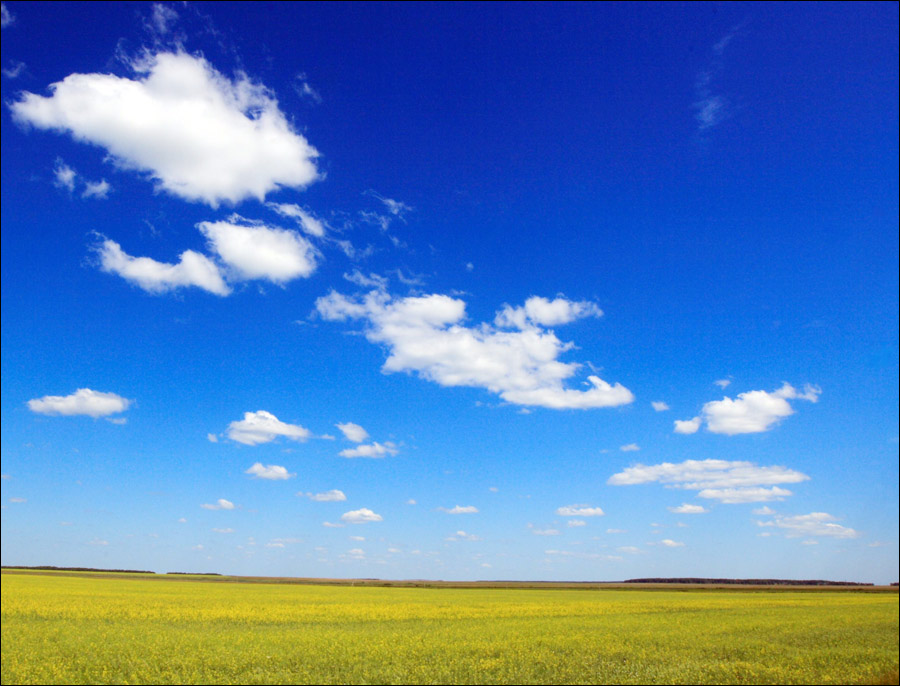
Endless fields of the Kurgan region
Author: Andrey Bogdanov
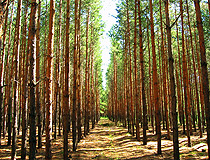
Forest in Kurgan Oblast
Author: Oleg Savona
Attractions of Kurgan Oblast
Kurgan Oblast is a nice place for cultural and educational, environmental, pilgrimage, and adventure tourism. The region has more than 1,000 objects of cultural and historical heritage.
One of the most original attraction of the Kurgan region is a forest planted in the form of a huge inscription “Lenin 100 years”. This inscription, located 130 km south of Kurgan near the village of Zverinogolovskoe, can be seen even from space (coordinates - 54.4194655,56.7821564).
The most popular resorts are “Medvezhye Lake” (“Bear Lake”), “Sosnovaya roshcha” (“Pine grove”), a children’s sanatorium “Gorkoye Lake” (“Bitter Lake”). Medvezhye is the largest salt lake in the region. Its water by healing properties is an analogue of the Dead Sea water. In Ketovsky district there is a natural monument “Prosvetskiy Arboretum”.
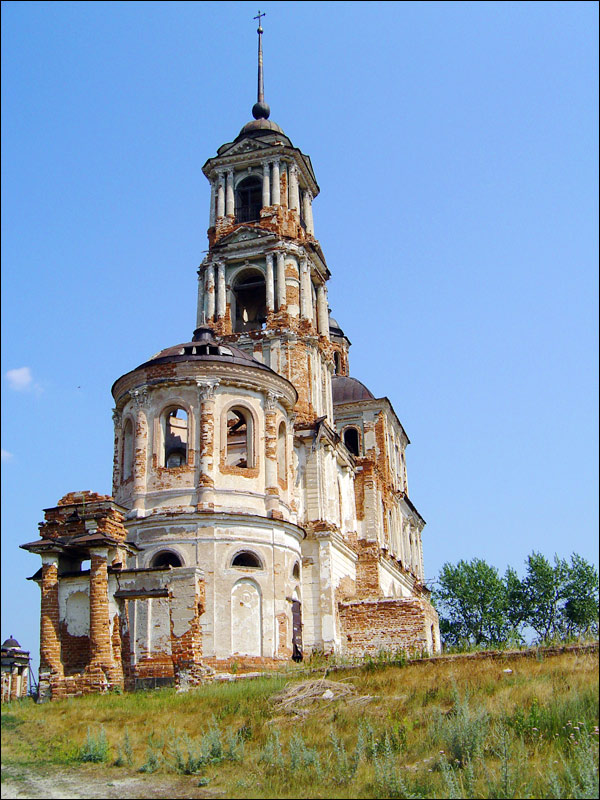
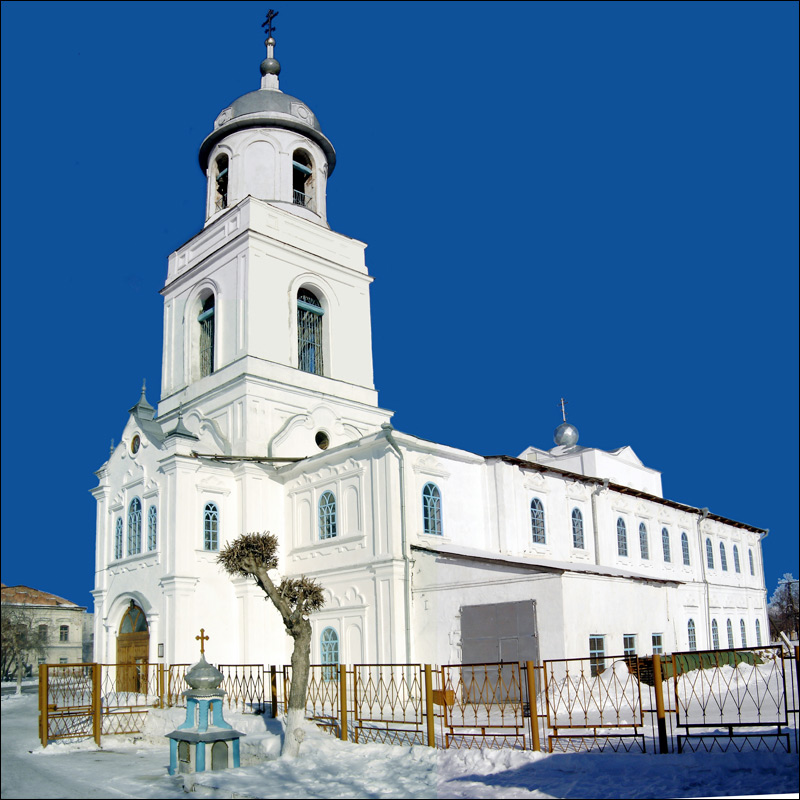
Most of the surviving monuments of history and architecture are places of worship. The following monuments are of federal significance: Dalmatovsky Monastery, Transfiguration Cathedral, Nikolskaya, Shirokovskaya and Pershinskaya churches, Church of Three Sanctifiers, Phlor and Lavr Church.
Dalmatovsky Holy Assumption Monastery is one of the main sites of cultural heritage in Russia. It was founded by Dmitry Ivanovich Mokrinsky in 1644. In Soviet times, the monastery was abolished and an industrial plant was located on its territory. In the 1990s, it was returned to the Russian Orthodox Church.
Transfiguration Cathedral (1771) in Shadrinsk was the first stone building in the town. It was built in the Ukrainian Baroque style influenced by classical and Russian architecture.
Most churches, objects of cultural heritage of the Kurgan region, were constructed in Baroque and Classical styles in the late 18th - early 19th centuries. The buildings associated with 13 exiled Decembrists are historical monuments - first of all the houses of Kuchelbecker, Naryshkin and Rozen in Kurgan.