Chelyabinsk Oblast - Overview
Chelyabinsk Oblast is a federal subject of Russia located in the Southern Urals, part of the Urals Federal District. Chelyabinsk is the capital city of the region. It is the place where Europe borders with Asia.
The population of Chelyabinsk Oblast is about 3,419,000 (2022), the area - 88,529 sq. km.
History of Chelyabinsk Oblast
People began to settle in the Southern Urals in the Paleolithic era. Bogdanovka site on the Ural River (Kizilsky district) is the most ancient archaeological site found on the territory of the region (about 70 thousand years). The age of Paleolithic layers in Ignatievka cave (Katav-Ivanovsky district), famous for its wall paintings, is about 15 thousand years. There are numerous archaeological sites of the Stone Age, settlements of the Bronze and Iron Ages.
In the 13th century, the territory of the Southern Urals was part of the Mongol Empire. Kesene mausoleum, preserved to our days near Varna village, is an outstanding monument of the late Horde time. The first Russian settlements in what is now the Chelyabinsk region appeared in the late 17th century.
Administratively the formation of the region began in the 18th century. It was the result of Peter’s I policy aimed at developing producing forces of the country and the expansion of its borders. This was reflected in the activities of the Orenburg expedition. For military and commercial purposes the expedition founded a number of fortresses, one of them was the fortress of Chelyabinsk (1736).
More Historical Facts…
In 1737, Isetskaya province was founded that included the northern part of the present Chelyabinsk region and the Kurgan region. In 1743, Chelyabinsk became the center of the province. In 1744, Orenburg gubernia was formed, it included Isetskaya and Ufimskaya provinces.
In the second half of the 18th century, mining and metallurgical areas of the Southern Urals began to grow rapidly. Several large mining plants were built, which became the basis for future towns. The first towns were Chelyabinsk, Verhneuralsk (1781) and Troitsk (1784).
In the early 19th century, most of the territory of the region was part of the Orenburg gubernia. Since the mid-19th century, Orenburg Cossacks started the rapid development of the steppe areas. New settlements were named in honor of the battles and victories of the Russian army: Varna, Fershampenuaz, Borodino, Paris and others.
After the construction of the Trans-Siberian Railway (1891-1916), the province became the largest transportation hub connecting central Russia, the Urals and Siberia.
In 1919, Chelyabinsk gubernia was formed. November, 3, 1923, Ural Oblast with the capital in Yekaterinburg was formed. January 17, 1934, Ural Oblast was enlarged and was named Chelyabinsk Oblast. Later on, the territory of the region was diminished not once. In 1943, 32 districts were transferred to the newly formed Kurgan Oblast. After that, the borders of Chelyabinsk Oblast remained almost unchanged.
During the Second World War, this region played an important role producing metals, ammunition and military equipment. After the war, Chelyabinsk became the supplier of equipment and human resources for the restoration of Stalingrad, Donbass and other areas of the USSR.
In the 1950s, part of the territory of the region was subjected to radioactive contamination as a result of the accident at the plant for processing waste “Mayak”.
The collapse of the USSR had a negative impact on the economic situation in the region. From 1990 to 2000, rail transportation halved. In 1995, the decline in production in all sectors was 52%, in agriculture - 44%.
February 15, 2013 a relatively large meteorite flew over the territory of the oblast. It became known as the Chelyabinsk meteorite (diameter - about 17 meters, weight - about 10 thousand tons). The meteorite exploded in the vicinity of Chelyabinsk, at an altitude of 15-25 km. Several fragments of it fell in the area of Lake Chebarkul.
Nature of Chelyabinsk Oblast
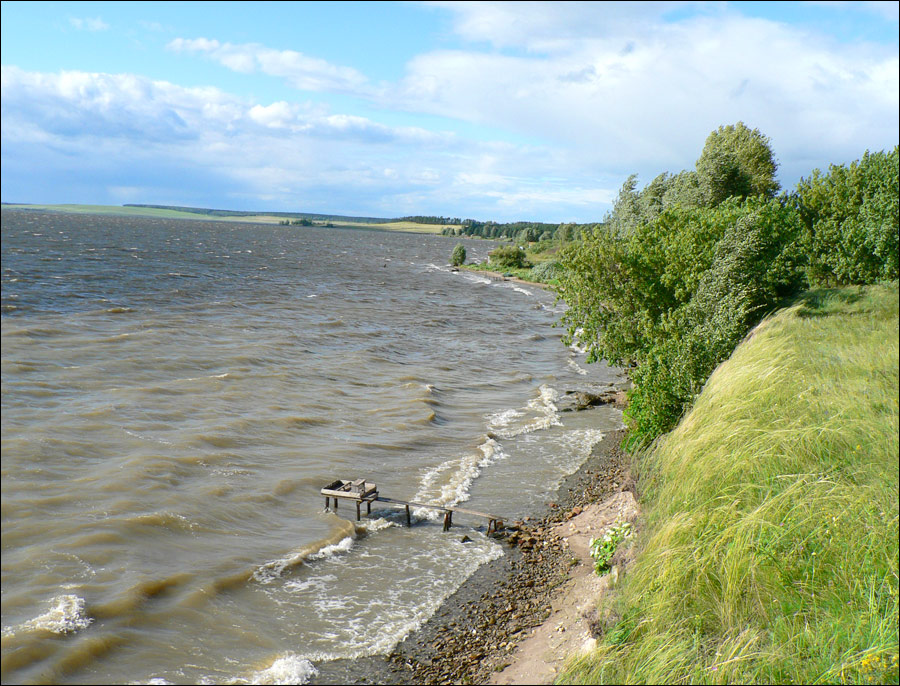
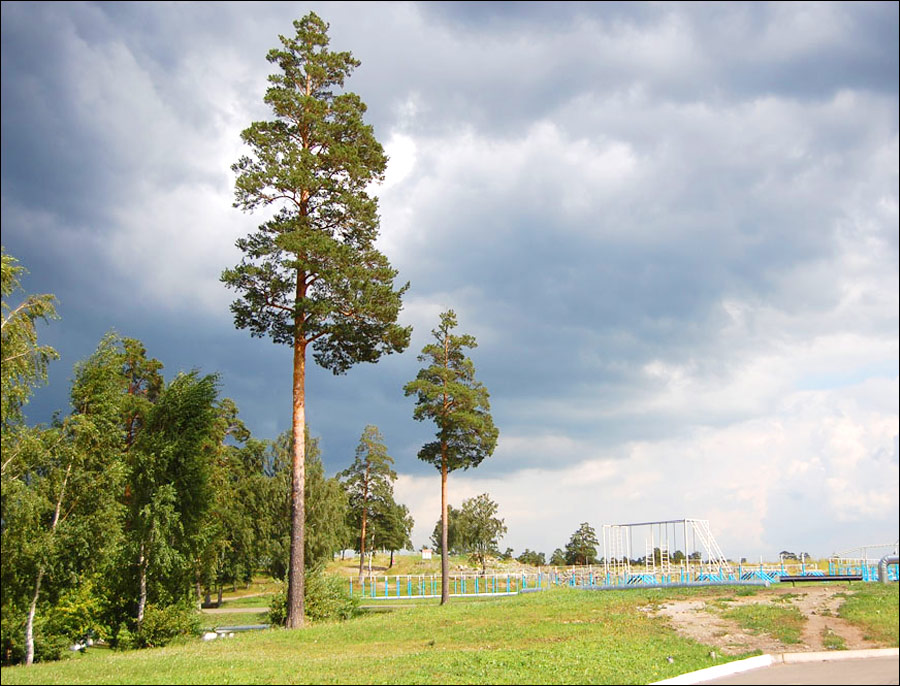
Summer in the Chelyabinsk region
Author: Olga Yartseva
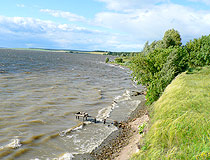
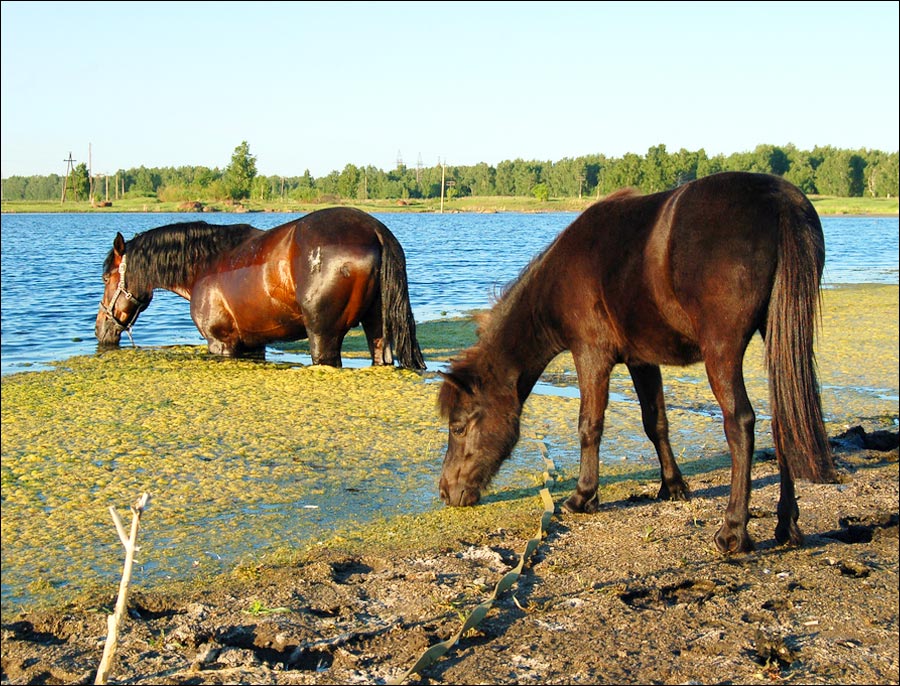
Chelyabinsk oblast - the land of lakes
Author: Rauer Yury
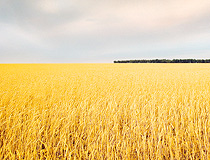
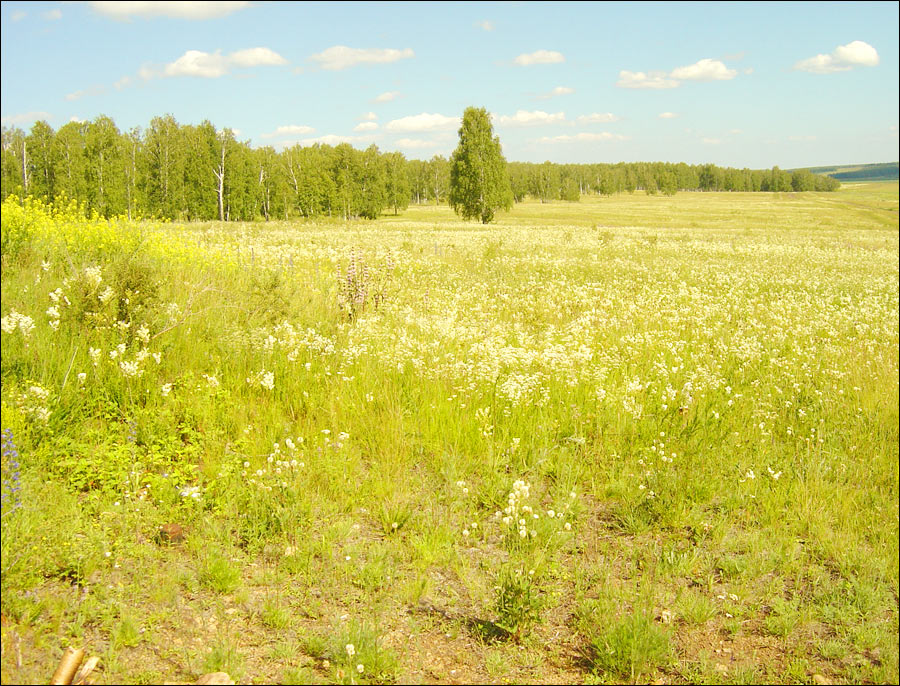
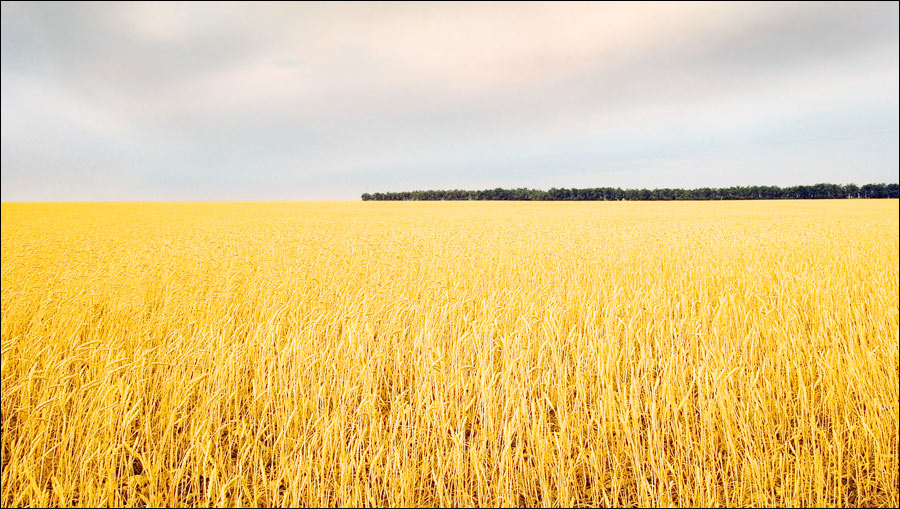
Wheat field in Chelyabinsk Oblast
Author: Alexander Pridvizhkin
Chelyabinsk Oblast - Features
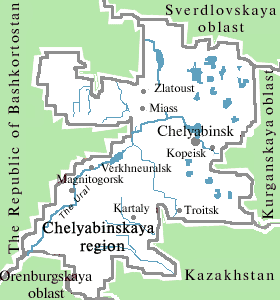
Chelyabinsk Oblast is located about 1,800 km east of Moscow. The main cities are Chelyabinsk (1,179,000), Magnitogorsk (412,000), Zlatoust (159,700), Miass (150,300) and Kopeysk (145,000). Chelyabinsk and Miass are the stations on the Trans-Siberian railway.
The southeastern part of Chelyabinsk Oblast has the state border - the border with Kazakhstan. The length of the region from north to south - 490 km, from west to east - 400 km. It is comparable to the size of Hungary, Portugal, Austria, more than 2 times larger than Denmark and Switzerland, 3 times larger than Belgium and the Netherlands.
Not far from the station of Urzhumka (8 km from Zlatoust), on Uraltau Pass, there is a stone pillar. On one side it says “Europe”, on the other - “Asia”. The cities of Zlatoust, Katav-Ivanovsk, Satka are located in Europe, Chelyabinsk, Troitsk, Miass - in Asia, Magnitogorsk - in both parts of the world.
Chelyabinsk Oblast has a highly developed industry. Metallurgical, machine-building, fuel and energy, construction, agri-industrial complexes determine the industrial development of the region. Iron and steel industry stands out in the structure of the local industry (about half of the total output).
The city of Magnitogorsk is situated in the middle of one of the largest and richest iron ore deposits in the world. Magnitogorsk Iron and Steel Works (MMK) is one of the largest steel mills in the world. Makeyev Rocket Design Bureau in Miass is a major supplier of strategic ballistic missiles for the Russian submarine fleet.
Tourism in Chelyabinsk Oblast
Chelyabinsk Oblast has unique natural and climatic conditions: picturesque landscapes, lakes, forests, caves and natural healing springs. It is the main basis for the development of tourism and recreation. Winters are cold and long, summers are relatively hot.
The northwestern part of the region is covered by forests and mountains, the rest - steppes and forest steppes. Forests cover about 24% of the territory. The highest point is Mount Bolshoy (Big) Nurgush (1406.6 meters).
Chelyabinsk Oblast is called “the land of lakes”. There are 3,170 lakes on its territory, 98 of them have areas of more than 5 sq. km., the largest lake - Uvildy - occupies 68 sq. km. The most picturesque lakes are Turgoyak and Uvildy. Many lakes have unique mineral waters and therapeutic muds. There are a lot of health resorts on the territory of the region.
There are more than 200 specially protected natural areas, including Ilmen State Nature Reserve, the historical and archaeological museum “Arkaim”, “Tanagai” and “Zyuratgul” national parks.
Skiing is actively developing. Altogether there are about 20 ski resorts, including “Abzakovo”, “Adzhigardak”, “Zavyalikha”, “Metallurg-Magnitogorsk”, “Solnechnaya Dolina”, which meet the highest European standards and are very popular.